
5 Measurable Criteria for an Employee Recognition Program

KEY TAKEAWAYS - MEASURABLE RECOGNITION CRITERIA
✓ 5 Quantifiable Frameworks: Attendance, KPIs, Milestones, Reviews, Cost Savings
✓ 31% Lower Turnover: Organizations with structured recognition programs (SHRM)
✓ 45% Retention Boost: Recognized employees stay longer (Gallup)
✓ 90% Motivation Increase: Employees put in extra effort when acknowledged (Achievers)
✓ Weekly Recognition Optimal: 5x engagement boost compared to monthly/annual (Gallup)
Implementation Priority: Start with 1-2 criteria, automate with software, expand based on results
The most effective managers possess an invaluable skill—they can recognize the intangible qualities that make each team member exceptional. They understand how a positive attitude, innovative thinking, or unwavering dedication shapes business outcomes. Yet in today's data-driven HR landscape, these qualities remain frustratingly difficult to quantify.
The challenge isn't just academic. According to recent Gallup workplace studies, 79% of employees cite "lack of appreciation" as their primary reason for leaving, and organizations with strong recognition programs experience significantly better retention. The solution lies not in abandoning recognition of intangible qualities, but in establishing measurable frameworks that complement manager judgment.
This article presents five employee recognition criteria that you can track, measure, and optimize—creating structured employee recognition programs that give every employee a fair opportunity to shine. When implemented through modern platforms like Workmates, these criteria transform recognition from subjective praise into strategic business drivers that boost morale and enhance organizational performance.
| Recognition Criterion | What It Measures | Average Impact | Automation Capability |
|---|---|---|---|
| Attendance | Days present vs. scheduled | 15-20% productivity gain | ✓ High - Auto-tracking |
| KPIs | Role-specific performance | 14% productivity increase | ✓ High - System integration |
| Milestones | Service & achievement markers | 5x engagement boost | ✓ High - Progress gamification |
| Positive Reviews | Customer satisfaction scores | 41% higher customer satisfaction | ✓ Medium - Review aggregation |
| Cost Savings | Resource efficiency behaviors | $3,400 saved per employee/year | ✓ Medium - Protocol tracking |
Source: Compiled from SHRM, Gallup, and Achievers 2024-2025 research
1. Attendance Recognition: The Foundation of Reliability
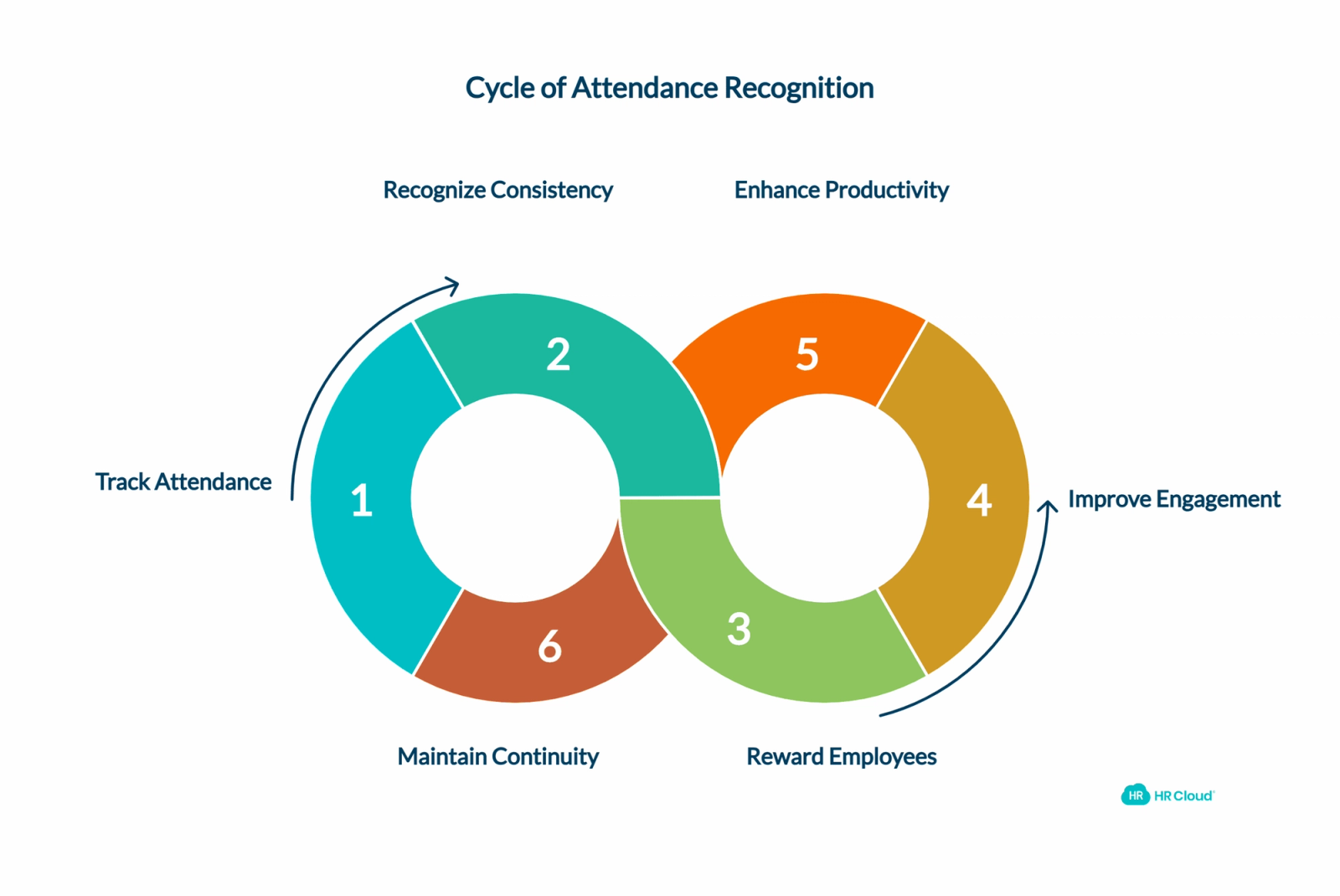
Perhaps the most straightforward metric in employee recognition programs is attendance. While some organizations overlook this fundamental criterion, consistent attendance represents commitment, reliability, and dedication—qualities that directly impact team productivity and operational continuity.
Why Attendance Matters
Staff absence costs U.S. businesses an estimated $84 billion annually in lost productivity according to the CDC Workplace Health Promotion. Employees who maintain consistent attendance demonstrate reliability that keeps operations running smoothly, reduces burden on colleagues, and maintains customer service quality. Recognizing this behavior reinforces its importance and creates a culture of accountability.
Implementing Fair Attendance Recognition
The key to successful attendance recognition lies in flexibility and fairness:
- Buffer Zones: Allow up to 3 excused absences per year without penalty—life happens, and rigid policies create resentment rather than motivation
- Earned Recovery: Let employees work back missed days through flex scheduling or weekend coverage
- Scheduled vs. Unscheduled: Don't penalize employees for declining extra shifts they weren't originally scheduled for
- Legitimate Absences: Exclude FMLA, jury duty, and other protected absences from calculations
- Transparent Tracking: Use time tracking software to maintain clear, accessible attendance records
Platform Integration
Modern HR analytics platforms can automate attendance tracking and recognition triggers, sending automatic kudos or rewards when employees hit attendance milestones—quarterly, bi-annually, or annually.
Recognition Ideas:
- Public acknowledgment in team meetings or company newsletters
- Small monetary bonuses ($50-$100) for perfect quarterly attendance
- Extra PTO days (1-2 days per year for perfect attendance)
- Preferred parking spots or schedule flexibility privileges
This structured approach significantly improves employee engagement by making reliability visible and valued.
2. Classic KPI Recognition: Performance That Drives Results
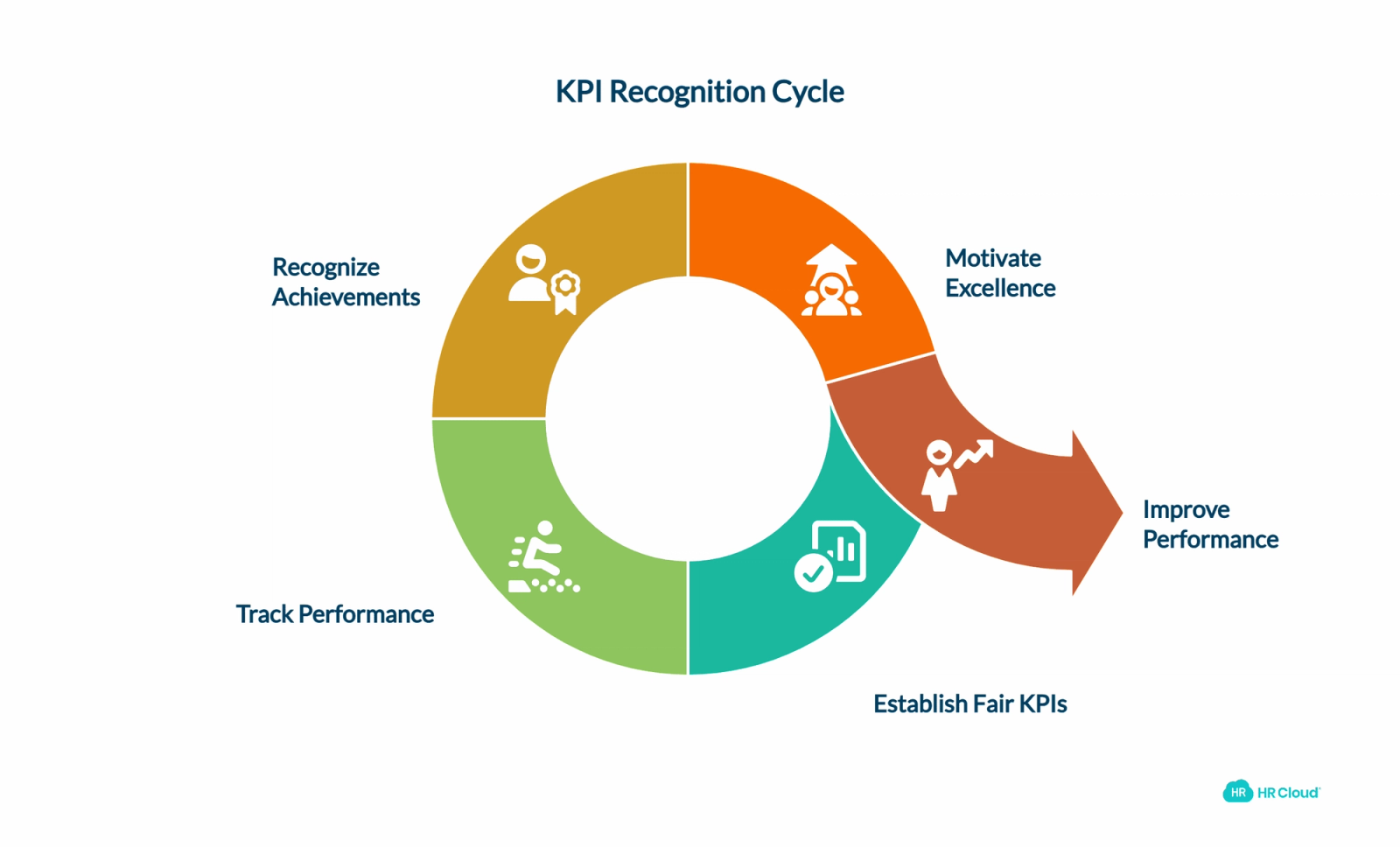
Key Performance Indicators (KPIs) provide objective, quantifiable measures of employee contributions. When applied fairly and transparently, KPI-based recognition motivates excellence while maintaining equity across your organization.
Establishing Fair KPI Frameworks
The effectiveness of KPI recognition depends entirely on implementation. Here's how to build a system that drives results without creating toxic competition:
Industry-Specific KPI Examples:
- Sales: Revenue generated, deals closed over $X threshold, client retention rate
- Manufacturing: Units produced, quality scores, safety compliance
- Customer Service: Customer satisfaction scores (CSAT), issue resolution time, positive reviews
- Healthcare: Patient satisfaction scores, safety protocol adherence, documentation accuracy
- Retail: Sales per hour, upsell rates, customer feedback scores
Critical Success Factors
1. Individual vs. Team Metrics: Ensure one employee's success doesn't come at another's expense—avoid zero-sum competition
2. Fraud Prevention: Implement verification systems to prevent fake orders, stolen credit, or inflated numbers
3. Workload Fairness: Adjust targets based on available work—employees shouldn't be punished during slow periods
4. Transparent Calculations: Make KPI formulas publicly available and consistently applied
5. Dynamic Targets: Consider variable daily/weekly targets that account for business fluctuations

The Recognition Software Advantage
Digital recognition platforms like Workmates automatically track KPIs and trigger recognition moments when thresholds are met. This removes manager bias and ensures consistent, timely acknowledgment.
According to Achievers' 2025 State of Recognition Report, 90% of employees say they're more likely to put in extra effort when their work gets noticed, and 92% say they're likely to repeat behaviors they were recognized for. This creates a powerful feedback loop when tied to clear KPIs.
Implementation Best Practices:
- Set realistic, achievable KPIs that 70-80% of employees can reach with solid effort
- Recognize top performers publicly while providing private coaching for those struggling
- Use tiered recognition (Bronze, Silver, Gold) to celebrate different achievement levels
- Integrate with performance management systems for holistic evaluation
3. Milestones Crossed Recognition: Celebrating Progress
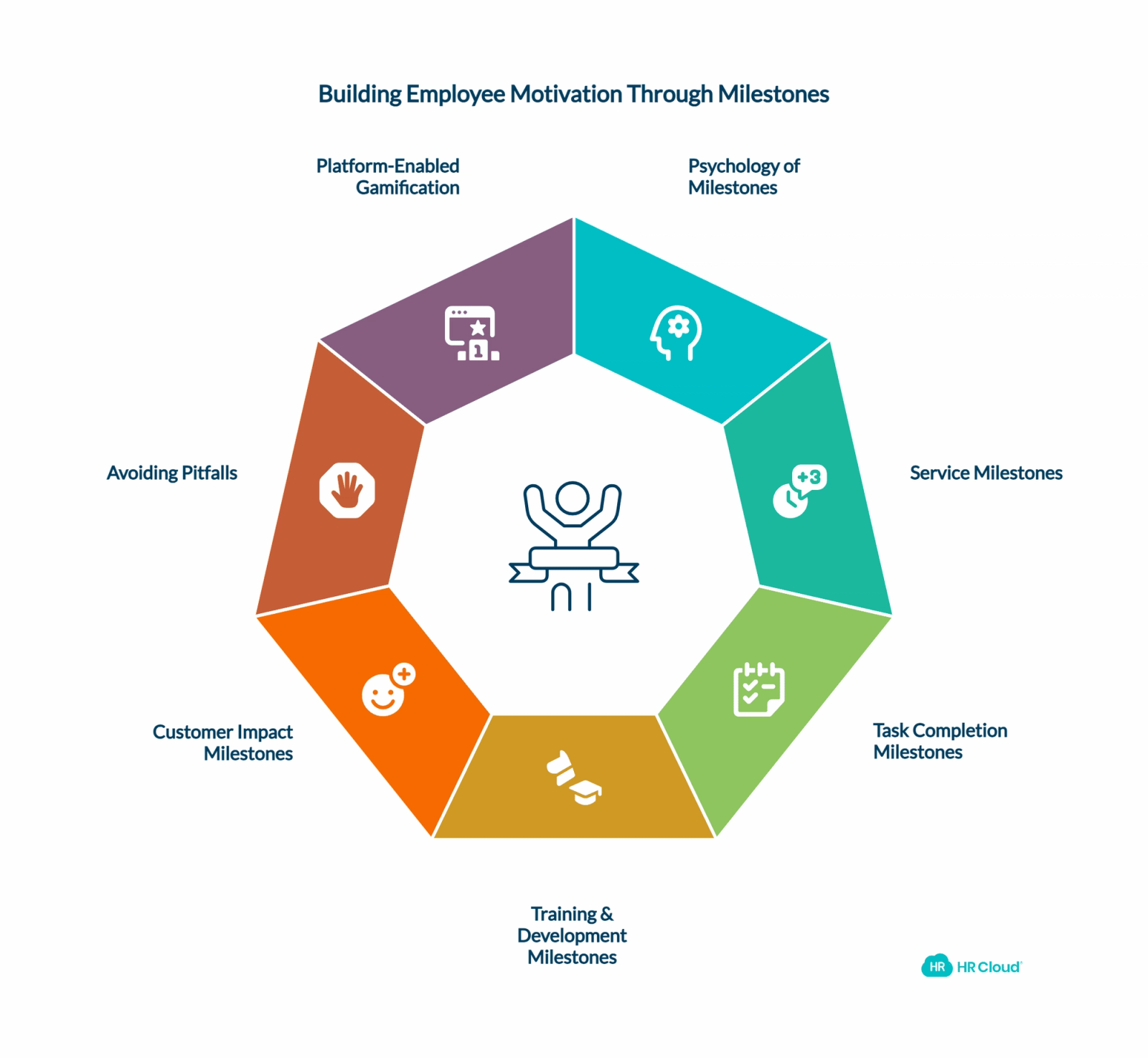
Milestone-based recognition leverages gamification principles to make long-term commitment meaningful and visible. Unlike KPIs that fluctuate monthly, milestones provide predictable recognition moments that every employee can anticipate and work toward.
The Psychology of Milestone Recognition
Milestones tap into powerful psychological motivators:
- Progress Visualization: Employees see their advancement and growth
- Future Anticipation: Knowing the next milestone creates forward-looking motivation
- Cumulative Achievement: Each milestone builds on previous ones, creating career narrative
- Predictable Rewards: Reduces anxiety about arbitrary recognition
Effective Milestone Categories
1. Service Milestones:
- 6 months, 1 year, 2 years, 5 years, 10 years, etc.
- Critical: Maintain consistent intervals—don't make long-term employees wait disproportionately longer
2. Task Completion Milestones:
- 100 orders processed
- 500 customer interactions
- 1,000 units produced
- 50 projects completed
3. Training & Development Milestones:
- Certifications earned
- Training modules completed
- Skills mastered
4. Customer Impact Milestones:
- 100 5-star reviews received
- 50 customer thank-you notes
- $1M in customer value delivered
Avoiding Common Pitfalls
⚠️ Don't create department-specific milestones that force employees to work in other departments just to earn recognition—this disrupts workflow and creates resentment.
⚠️ Ensure milestones scale fairly: If factory workers can hit production milestones monthly but office workers only quarterly, you've created inequity.
Platform-Enabled Gamification
Modern employee engagement platforms make milestone tracking seamless. Workmates, for example, can display progress bars, send congratulatory notifications, and automatically trigger rewards catalog access when milestones are reached.
Recognition Options by Milestone:
- Early (6mo-1yr): Digital badges, team shout-outs, small gift cards ($25-$50)
- Mid-term (2-5yrs): Plaques, choice of meaningful rewards, extra PTO day
- Long-term (5+ yrs): Significant monetary bonuses, leadership opportunities, personalized experiences
Research from Gallup workplace studies shows that employees who receive recognition at least once a week are 5x more likely to be highly engaged—milestone programs ensure no employee goes unrecognized for extended periods.
4. Positive Reviews Recognition: The Voice of Your Customers
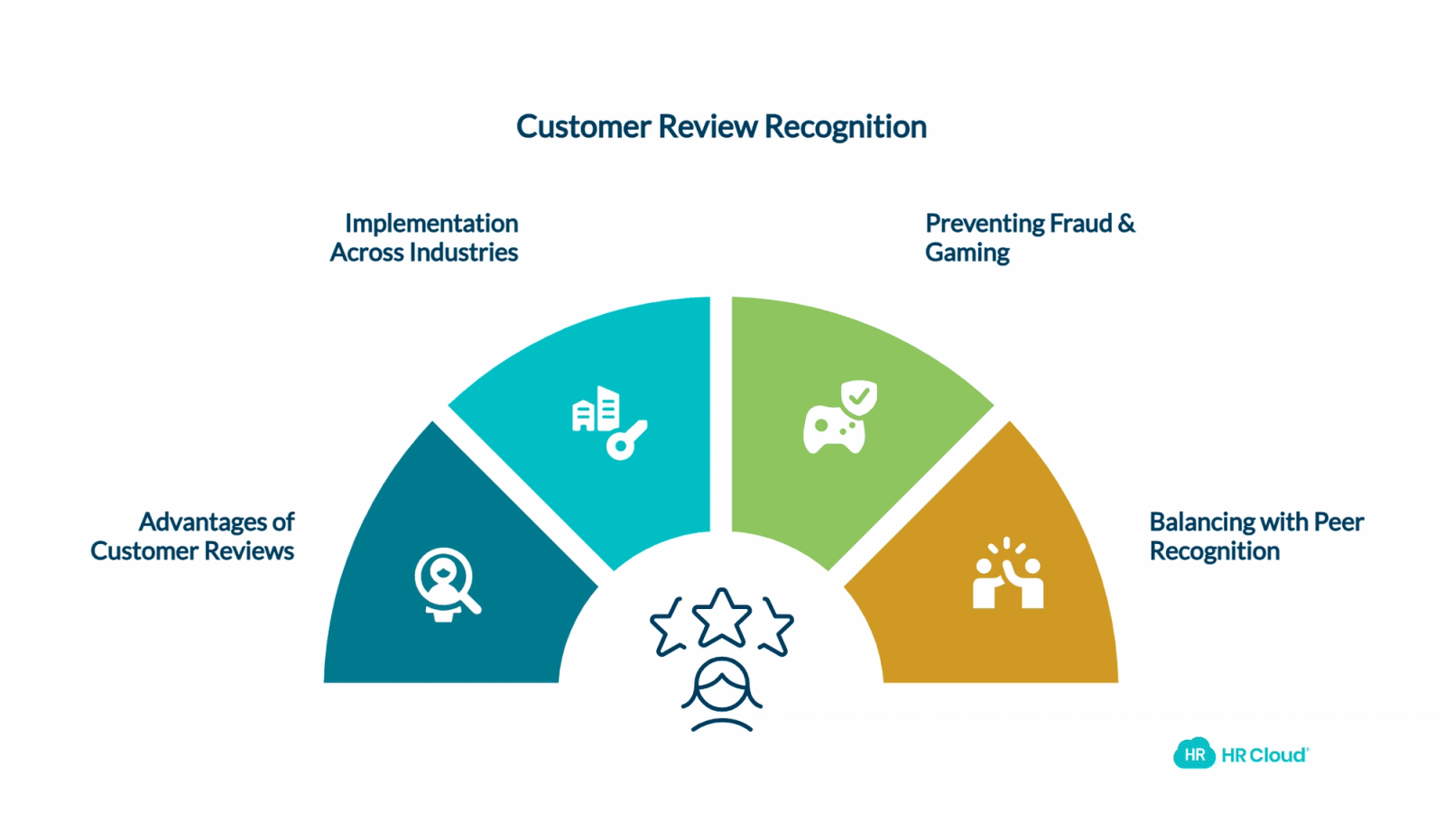
Customer feedback provides an objective, external validation of employee excellence—particularly valuable in customer-facing roles where impact can be difficult to quantify internally.
Why Customer Reviews Matter
Customer reviews offer unique advantages:
- Unbiased External Perspective: Customers have no internal politics or favoritism
- Direct Impact Measurement: Links employee behavior to customer satisfaction and loyalty
- Specific Feedback: Customers often identify specific actions or behaviors worth recognizing
- Public Validation: External recognition carries special weight with employees
Implementation Across Industries
Call Centers & Support Teams:
- Post-call surveys asking customers to rate their experience
- Optional comments highlighting exceptional service
- Recognition triggered at 90%+ satisfaction rates or multiple positive mentions
Live Chat & Digital Support:
- End-of-chat satisfaction surveys
- Star ratings and written feedback
- Real-time recognition for consistently high ratings
Retail & Hospitality:
- Online review mentions by name (Google, Yelp, TripAdvisor)
- Comment cards at point of sale
- Customer appreciation letters shared with management
Healthcare:
- Patient satisfaction surveys (HCAHPS scores)
- Physician rating platforms
- Direct patient compliments to administration
B2B & Professional Services:
- Client satisfaction surveys after project completion
- LinkedIn recommendations
- Contract renewal rates with specific team members
Preventing Fraud & Gaming
Customer review systems require safeguards:
✓ Verification Systems: Ensure reviews come from actual customers/clients
✓ IP Address Monitoring: Flag multiple reviews from same location
✓ Pattern Detection: Identify suspiciously similar language across reviews
✓ Manager Validation: Require leadership approval for recognition triggered by reviews
✓ Cross-Reference: Match review timing with actual service dates/interactions
Balancing Reviews with Peer Recognition
Customer reviews shouldn't be the only recognition source—they don't capture behind-the-scenes contributors or employees in non-customer-facing roles. Pair review-based recognition with robust peer-to-peer recognition programs to create comprehensive coverage.
According to SHRM research, 41% of companies using peer-to-peer recognition see increases in customer satisfaction, creating a virtuous cycle where internal appreciation culture translates to better external customer experiences.
Recognition Best Practices:
- Share positive reviews in team meetings and company announcements
- Create monthly "Customer Hero" awards for most positive mentions
- Use rewards platforms to convert positive reviews into points or gift cards
- Feature outstanding customer feedback in digital signage and intranet platforms
5. Money Saved Recognition: Rewarding Operational Excellence
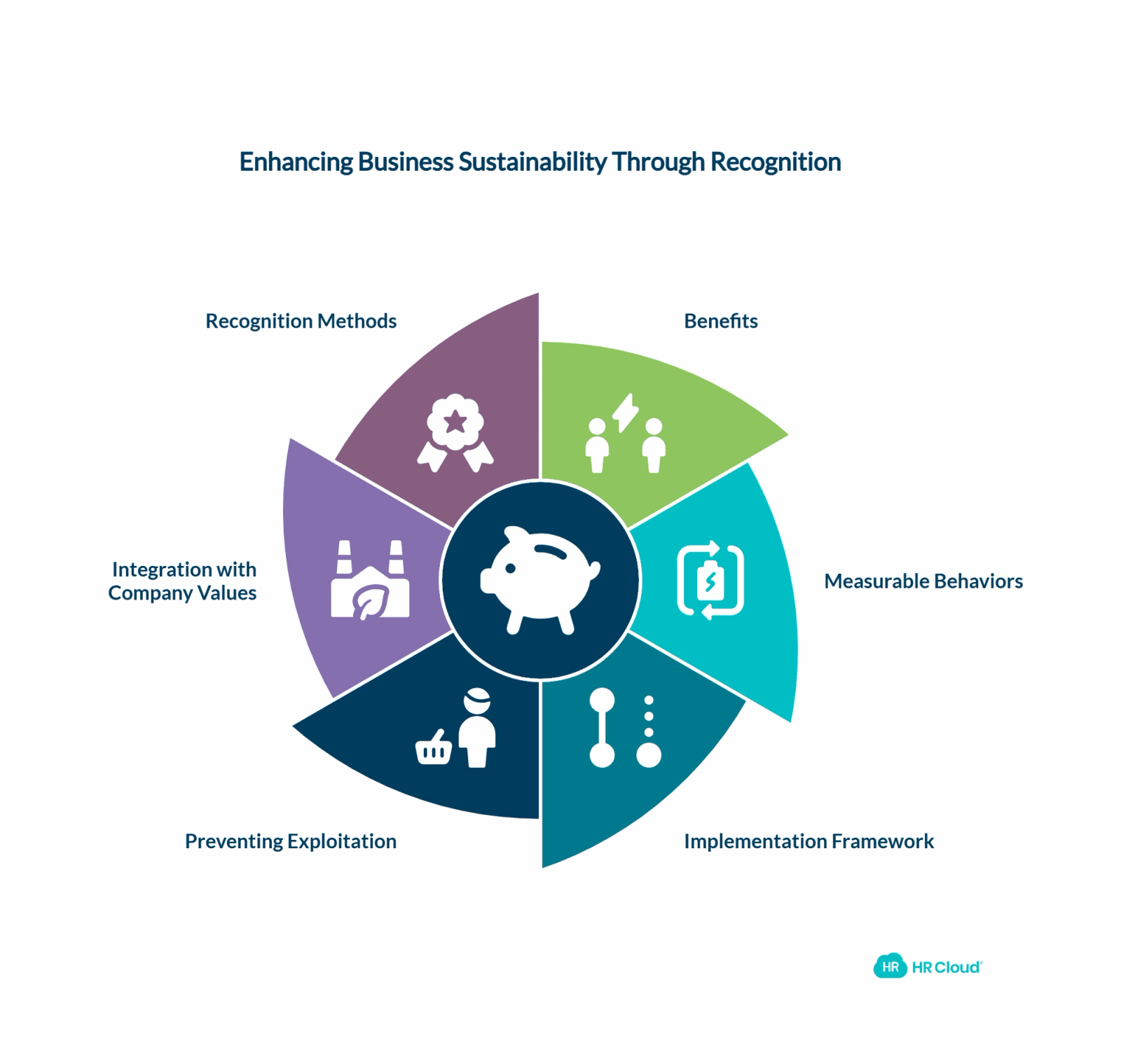
Cost savings and efficiency improvements represent concrete contributions to business sustainability—yet they're often underrecognized because they're less visible than revenue generation or customer satisfaction.
Why Cost Savings Deserve Recognition
Organizations that recognise cost-saving behaviors benefit from:
- Culture of Efficiency: Employees actively seek waste reduction opportunities
- Process Improvement: Identification of outdated, expensive workflows
- Resource Optimization: Better utilization of materials, energy, and time
- Innovation Incentives: Employees propose creative solutions knowing they'll be acknowledged
- Environmental Impact: Sustainability initiatives often overlap with cost savings
Measurable Cost-Saving Behaviors
Energy & Utilities:
- Turning off lights, equipment, and HVAC in unused spaces
- Identifying energy-efficient alternatives to existing systems
- Reporting leaks, malfunctions, or waste promptly
Materials & Supplies:
- Reclaiming parts from defective products instead of complete disposal
- Identifying overordering patterns and adjusting procurement
- Finding lower-cost alternatives that maintain quality
Process Efficiency:
- Streamlining workflows that reduce labor hours
- Eliminating redundant steps in production or service delivery
- Implementing automation that reduces manual intervention
Inventory Management:
- Preventing overstock situations
- Identifying slow-moving inventory before obsolescence
- Optimizing storage to reduce damage and loss
Implementation Framework
Instead of competitive programs that invite gaming, establish protocols:
1. Define Standard Procedures: Document the "correct" resource-efficient way to complete tasks
2. Track Compliance: Recognize employees who consistently follow efficient procedures
3. Create Suggestion Programs: Reward employees who identify new cost-saving opportunities
4. Implement Team Targets: Set department-wide efficiency goals to prevent individual exploitation
5. Audit Regularly: Verify that cost savings are genuine and sustainable
Preventing Exploitation
⚠️ Common Gaming Tactics to Prevent:
- Purposefully over-ordering supplies to claim "savings" when not used
- Creating inefficient processes just to "fix" them for recognition
- Taking credit for team-wide improvements as individual contributions
- Cutting costs in ways that compromise quality or safety
Solution: Make cost-saving recognition behavior-based rather than outcome-based. Recognize employees for consistently following efficient protocols, not for dramatic one-time "saves" that may be manufactured.
Integration with Company Values
Align cost-saving recognition with broader company culture initiatives:
- Sustainability: Frame waste reduction as environmental stewardship
- Innovation: Celebrate creative problem-solving that improves efficiency
- Ownership: Reward employees who act like business owners by protecting resources
- Collaboration: Recognize teams that work together to optimize processes
According to Workhuman's recognition research, organizations that implement comprehensive recognition programs save an average of $3,400 per employee annually through reduced turnover costs alone—demonstrating that recognition itself is a powerful cost-saving strategy.
Recognition Methods:
- Quarterly "Efficiency Champion" awards with small monetary bonuses
- Points systems where cost-saving behaviors earn redeemable rewards
- Public acknowledgment in company newsletters or employee engagement platforms
- Professional development opportunities funded by a percentage of savings generated
“One of the biggest benefits from using Workmates platform is that our associates are more connected to both the company and each other. Associates can comment, react, and provide feedback directly through the platform from their smartphone or desktop devices.”

— Daniella Nickerson, Human resources, Toyota

Quick Answer: The Five Measurable Criteria
The five measurable criteria for employee recognition programs are:
1. Attendance Recognition - Tracking and rewarding consistent workplace presence
2. KPI Recognition - Measuring performance against role-specific key indicators
3. Milestone Recognition - Celebrating progress markers and service anniversaries
4. Positive Reviews Recognition - Acknowledging customer feedback and satisfaction scores
5. Money Saved Recognition - Rewarding cost-efficiency and waste reduction behaviors
These criteria transform recognition from subjective judgment into quantifiable metrics that ensure fairness, consistency, and business impact. According to SHRM research, companies with measurable recognition programs experience 31% lower voluntary turnover, while Gallup workplace research found that well-recognized employees are 45% less likely to leave within two years.
Conclusion: Building Recognition Programs That Drive Real Results
Recognition programs carry significant risks when implemented poorly—few things damage morale more than watching work-shy employees receive accolades while high performers feel overlooked. Similarly, inadequate recognition (like a newsletter mention for five years of perfect attendance) can do more harm than good, leaving employees feeling undervalued and disrespected.
The Data Behind Effective Recognition
The business case for structured, measurable recognition is compelling:
- Companies with strategic recognition programs report 31% lower turnover rates (SHRM, 2024)
- Well-recognized employees are 45% less likely to leave within two years (Gallup, 2024)
- 90% of employees put in more effort when their work is acknowledged (Achievers, 2025)
- Recognition-based engagement programs generate 21% higher profitability (Gallup workplace studies)
These aren't aspirational statistics—they're outcomes achieved by organizations that implement the measurable criteria outlined in this article: attendance tracking, KPI recognition, milestone celebrations, customer review acknowledgment, and cost-saving rewards.
Technology as the Enabler
Modern employee recognition software transforms these criteria from manual tracking nightmares into automated, fair, and transparent systems. Platforms like Workmates enable:
- Automated Recognition Triggers: System-generated kudos when employees hit measurable thresholds
- Peer-to-Peer Recognition: Democratized appreciation that doesn't rely solely on manager observation
- Analytics & Reporting: Real-time visibility into who's being recognized and why
- Rewards Integration: Seamless conversion of recognition into meaningful rewards from extensive catalogs
- Mobile Accessibility: Recognition that reaches frontline workers wherever they are
Get started on your own employee recognition program using this Recognition Program Starter Kit.
Download Now
Start With Pilot Programs
If you're new to structured recognition, start small:
1. Select One Criteria: Begin with attendance or KPI recognition—whichever aligns best with current business challenges
2. Define Clear Rules: Document exactly what triggers recognition and what rewards are available
3. Communicate Transparently: Share the program widely and explain the "why" behind each criterion
4. Gather Feedback: Survey employees after 90 days to identify what's working and what needs adjustment
5. Iterate & Expand: Refine your first program before adding additional criteria
The Ultimate Goal: Recognition Culture
The five measurable criteria in this article aren't meant to replace organic manager recognition or the acknowledgment of intangible qualities—they're designed to create a foundation of fairness and consistency that supports broader recognition culture. When employees trust that measurable achievements will be acknowledged, they're more open to receiving subjective praise for attitude, collaboration, and innovation.
As research from Workhuman shows, employees who receive recognition at least monthly are 82% more likely to feel enthusiastic about their work. By implementing structured, measurable recognition programs supported by modern HR technology, you create workplaces where every employee has the opportunity to be seen, valued, and appreciated—driving engagement, retention, and business performance simultaneously.
Ready to transform your recognition program? Explore how Workmates can help you implement these measurable criteria with automated tracking, rewards catalogs, and analytics that prove ROI.

Experience how Workmates can transform communication and strengthen culture—all in one powerful platform
Book Your Free DemoFrequently Asked Questions About Measurable Recognition
Q: What are measurable criteria for employee recognition programs?
The five measurable criteria are attendance tracking, KPI-based recognition, milestone celebrations, customer review acknowledgment, and cost-saving rewards. These provide objective frameworks that complement subjective manager recognition and ensure fairness across all employee types and departments.
Q: How do you measure the effectiveness of an employee recognition program?
Track employee retention rates (target 31% improvement per SHRM data), engagement scores (5x increase with weekly recognition per Gallup), participation rates, satisfaction surveys, productivity metrics (14% potential increase), and ROI by comparing recognition costs to turnover savings. Modern platforms like Workmates provide analytics dashboards tracking these metrics in real-time.
Q: What is the best frequency for employee recognition?
According to Gallup workplace research, employees should receive recognition at least once per week for optimal engagement. Employees receiving weekly recognition are 5x more likely to be highly engaged. Daily recognition achieves 98% effectiveness, weekly 94%, monthly 88%, but annual only 37%.
Q: Should employee recognition be monetary or non-monetary?
Both work—research from Workhuman shows monetary rewards tied to recognition are 20% more effective at reducing turnover. However, 55% of employees prefer non-cash recognition like public praise, thank-you notes, and meaningful experiences. The most effective programs combine monetary rewards for major milestones with daily non-monetary appreciation like kudos and public acknowledgment.
Q: How can HR Cloud Workmates help implement measurable recognition criteria?
HR Cloud Workmates automates measurable recognition through: automated attendance tracking with recognition triggers, KPI integration with performance dashboards, milestone gamification with progress tracking, customer review aggregation, peer-to-peer kudos systems, customizable rewards catalogs with hundreds of gift cards, real-time analytics showing recognition patterns, and mobile app access for frontline workers—ensuring consistent, fair, and transparent recognition.
About the author

Keep Reading


Like What You Hear?
We’d love to chat with you more about how HR Cloud® can support your business’s HR needs.
Book Your Free Demo