5 Productivity Tools Every Remote Worker Needs

Remote work has evolved from a temporary pandemic solution to a permanent fixture in modern HR strategy. With 22.9% of US employees working remotely as of Q1 2024, HR professionals and business leaders need more than just basic communication tools—they need comprehensive platforms that drive engagement, maintain productivity, and connect distributed teams.
The challenge isn't just about providing tools; it's about creating an ecosystem that supports frontline workers, hybrid teams, and fully remote employees alike. According to research from SHRM, organizations with effective remote work strategies see 25% higher employee retention and significantly improved productivity metrics.
Whether you're managing a healthcare workforce across multiple locations, coordinating manufacturing teams in different time zones, or supporting retail employees on mobile devices, the right productivity tools can transform your remote work operations. Let's explore five essential categories of tools that successful organizations use to keep remote teams engaged, productive, and connected.
1. Unified Communication & Employee Engagement Platforms
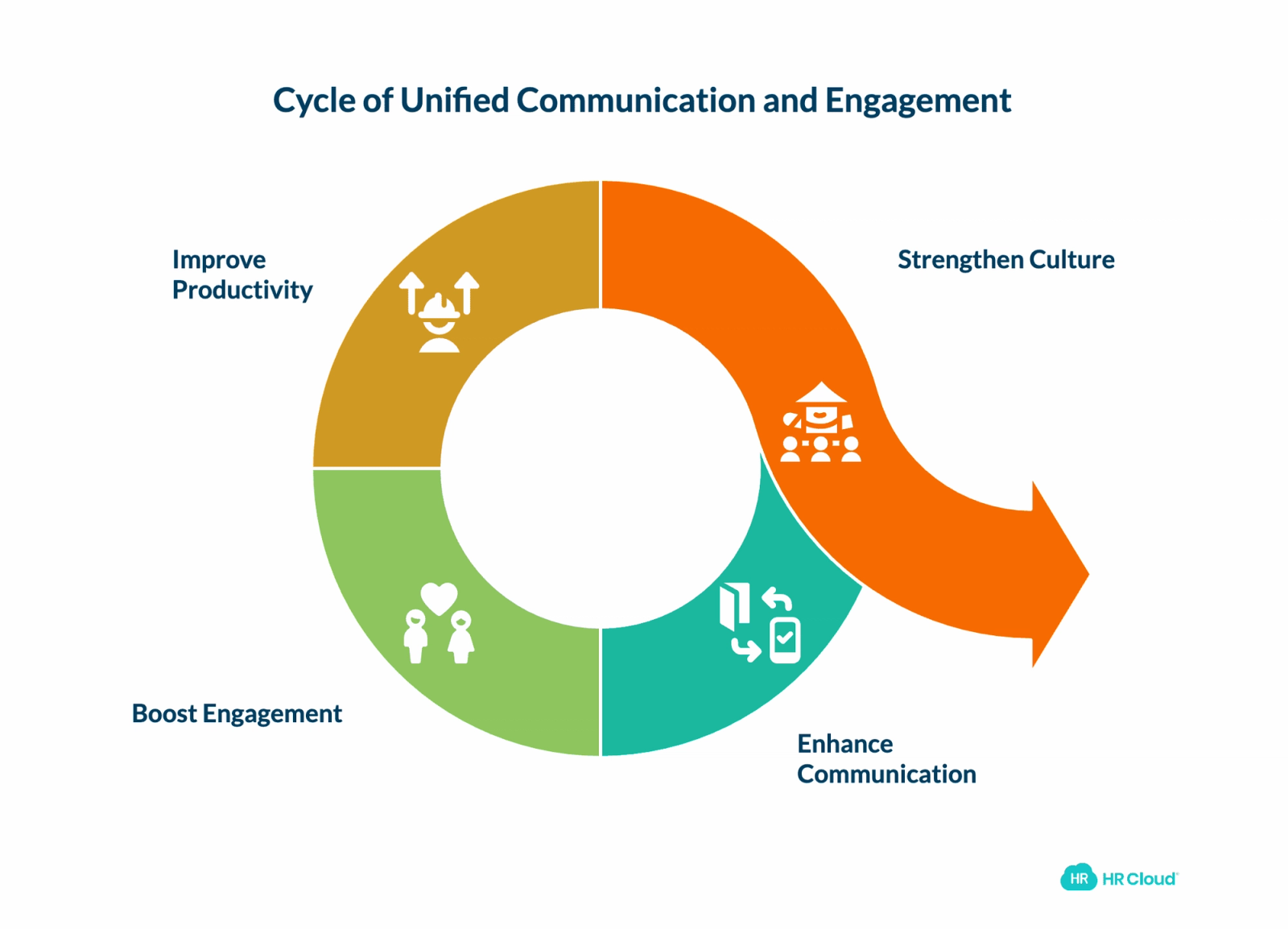
The foundation of remote work success isn't just video conferencing—it's a comprehensive employee engagement platform that connects your entire workforce. Traditional communication tools leave gaps: email is too slow, messaging apps become chaotic, and isolated video conferencing doesn't build culture.
What modern remote teams need:
Platforms like HR Cloud's Workmates solve the fundamental challenge of distributed workforce communication. Unlike basic chat tools, Workmates provides a unified hub for company announcements, team channels, peer recognition, and real-time engagement—all accessible through mobile apps designed specifically for frontline and remote workers.
The platform addresses critical remote work challenges:
Company-wide communication: Send targeted announcements by department, location, or role—ensuring manufacturing floor workers, remote sales teams, and corporate staff all receive relevant updates. Automated milestone celebrations keep remote employees connected to company culture even when they're working from home.
Channel-based collaboration: Create dedicated spaces for projects, departments, or initiatives. Healthcare teams use channels to share shift updates and safety protocols, while construction companies coordinate across multiple job sites. Every team member stays informed regardless of location or schedule.
Mobile-first design: With native iOS and Android apps, employees access everything from their smartphones—critical for deskless workers who don't sit at computers all day. The white-labeled mobile app option lets you brand the experience with your company identity, reinforcing culture even on personal devices.
Integration with existing systems: Workmates connects with ADP, UKG, Workday, and other major HRIS platforms through single sign-on, eliminating the friction of multiple logins. Employees access their people data, request time off, and engage with coworkers—all from one unified interface.
Unlike generic communication tools, Workmates is built specifically for HR teams managing distributed workforces. The platform combines communication, recognition, surveys, and analytics in one place, giving HR leaders visibility into engagement patterns and potential issues before they impact retention.
Why it matters for remote teams: Research from Gallup shows that employees who feel connected to their organization's mission are 3.7 times more likely to be engaged. Communication platforms designed for employee engagement don't just facilitate messages—they build the cultural connections that keep remote teams motivated and aligned.
For organizations managing hybrid or fully remote teams, investing in a purpose-built employee engagement platform isn't optional—it's the foundation that makes everything else work. Learn more about how HR Cloud's internal communication software transforms distributed workforce management.
2. Video Conferencing & Virtual Meeting Platforms
Face-to-face interaction remains essential for remote teams, making video conferencing the backbone of virtual collaboration. While in-person communication builds relationships naturally, remote teams need intentional video engagement to maintain connection and clarity.
The video conferencing landscape in 2026:
Zoom continues to dominate enterprise video conferencing, with daily meeting participants reaching unprecedented levels. According to recent data, over 50% of U.S. employees work remotely at least part-time, making reliable video infrastructure non-negotiable.
What makes Zoom particularly effective for remote HR management:
Meeting capacity and flexibility: Free plans support 40-minute meetings with up to 100 participants—sufficient for most team check-ins. Enterprise plans extend to 500+ participants with unlimited duration, accommodating company-wide town halls and large training sessions.
Screen sharing and collaboration: During remote onboarding sessions, HR can walk new hires through systems, share presentation materials, and demonstrate workflows in real-time. This visual component accelerates training and reduces confusion compared to written documentation alone.
Recording and documentation: Record compliance training, leadership announcements, or important policy updates for employees who can't attend live. This asynchronous access is particularly valuable for shift workers and global teams across multiple time zones.
Integration capabilities: Zoom connects with calendar systems, project management tools, and HRIS platforms, streamlining the remote meeting experience. Schedule directly from Google Calendar or Outlook, and join meetings with a single click.
AI-powered features: Zoom's AI Companion provides real-time meeting summaries, action item extraction, and automatic transcription—helping remote managers capture important decisions and follow-ups without manual note-taking.
Alternative platforms to consider:
Google Meet integrates seamlessly with Google Workspace, making it ideal for organizations already using Gmail, Calendar, and Drive. Microsoft Teams serves as both video conferencing and chat platform, popular among enterprises standardized on Microsoft 365.
For organizations using HR Cloud's Workmates, video conferencing integrates naturally into the employee engagement workflow. Schedule virtual team-building events, conduct recognition celebrations, or host remote training sessions—all coordinated through your unified communication hub.

Remote HR best practices: Establish clear video meeting norms—cameras on for team meetings, agenda-driven sessions, and defined facilitators. Use video strategically rather than defaulting to calls for everything. Research shows video fatigue is real; balance synchronous video meetings with asynchronous communication through platforms like Workmates that support text updates, video messages, and recorded announcements.
Video conferencing isn't just about technology—it's about maintaining human connection across distance. When combined with robust employee engagement platforms, video becomes part of a comprehensive strategy that keeps remote teams productive, aligned, and engaged.
3. Time Tracking & Productivity Management Tools
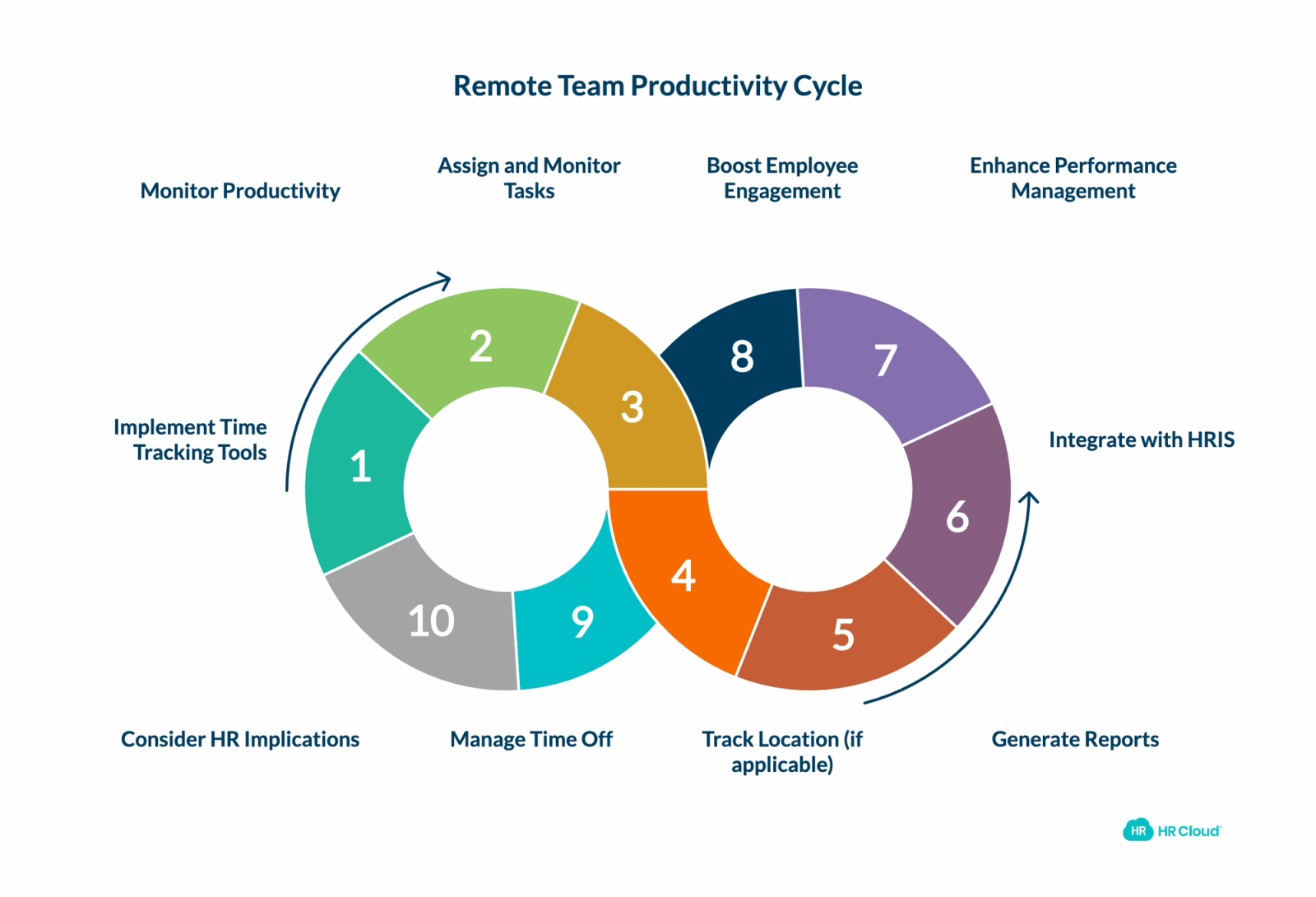
Managing remote team productivity requires transparency without micromanagement—a delicate balance that time tracking tools help achieve. While employers need visibility into work patterns, employees benefit from insights into their own productivity and time allocation.
The role of time tracking in remote work:
Hubstaff exemplifies modern time tracking designed specifically for distributed teams. Unlike traditional punch-clock systems, Hubstaff provides comprehensive project management alongside timekeeping capabilities:
Automatic time tracking: Employees clock in when starting work, and the system automatically logs hours against specific projects or tasks. This eliminates manual time entry errors and provides accurate data for billing, payroll, and project costing.
Productivity monitoring: Random screenshot capture and activity tracking give managers visibility into work patterns while helping employees identify their own productive hours and potential distractions. This transparency works both ways—managers gain accountability, employees gain self-awareness.
Task assignment and monitoring: Break projects into specific tasks, assign them to remote team members, and track progress toward completion. Hubstaff integrates with project management platforms, creating a seamless workflow from task assignment through time logging to completion.
GPS and location tracking: For field service teams, construction crews, or mobile healthcare workers, GPS tracking verifies work location and automates mileage logging—critical for compliance and accurate client billing.
Reporting and analytics: Generate detailed reports showing time allocation by project, employee, or client. These insights help HR and operations leaders identify bottlenecks, optimize resource allocation, and make data-driven staffing decisions.
Beyond time tracking—comprehensive productivity management:
While Hubstaff focuses on time monitoring, organizations need broader productivity visibility. HR Cloud's People HRIS provides the foundational employee data that makes time tracking meaningful—connecting attendance patterns, performance metrics, and engagement data in one unified system.
Modern remote workforce management requires integrating time tracking with:
Performance management: Connect hours worked with outcomes achieved through HR Cloud's Perform platform, setting clear goals and measuring results rather than just logging hours.
Employee engagement: Use Workmates recognition features to celebrate productivity milestones, acknowledge consistent contributors, and reinforce positive work patterns—creating motivation beyond simple time tracking.
Time off management: Integrate time tracking with PTO tracking to ensure accurate accrual calculations, prevent burnout from overwork, and maintain healthy work-life boundaries for remote employees.
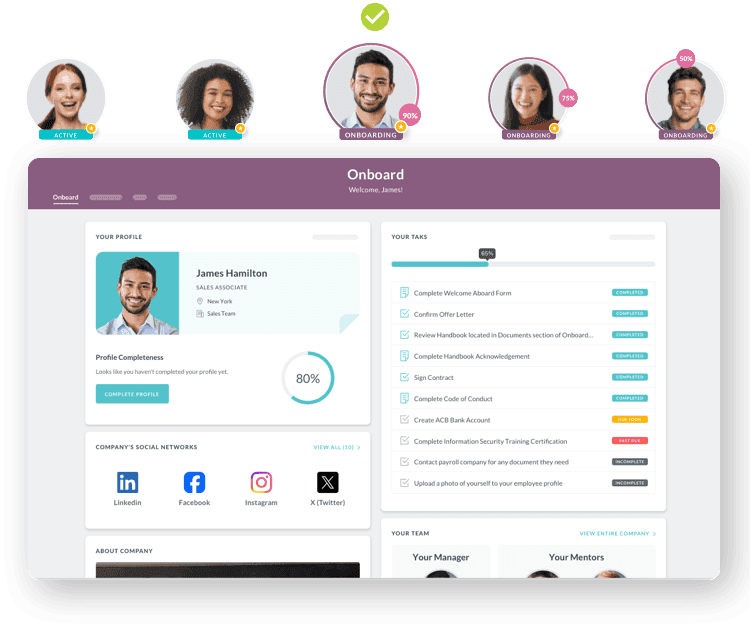
Important considerations for HR leaders:
Time tracking done poorly destroys trust and creates adversarial relationships between remote employees and management. Research shows that excessive monitoring increases stress and actually decreases productivity. The goal isn't surveillance—it's creating transparency, identifying support needs, and optimizing workflows.
Best practices include:
- Communicate clearly why you're implementing time tracking and how data will be used
- Focus on patterns and trends rather than minute-by-minute monitoring
- Use insights to support employees (identifying those working excessive hours who need help) rather than punish
- Combine time data with employee feedback and engagement metrics for holistic productivity understanding
- Respect privacy by avoiding invasive monitoring methods that damage trust
Time tracking tools work best when they're part of a comprehensive remote work strategy that prioritizes employee engagement and cultural connection alongside productivity metrics. For organizations building this integrated approach, HR Cloud's unified platform connects time tracking, performance management, and employee engagement in one system.
4. Document Management & Collaboration Tools
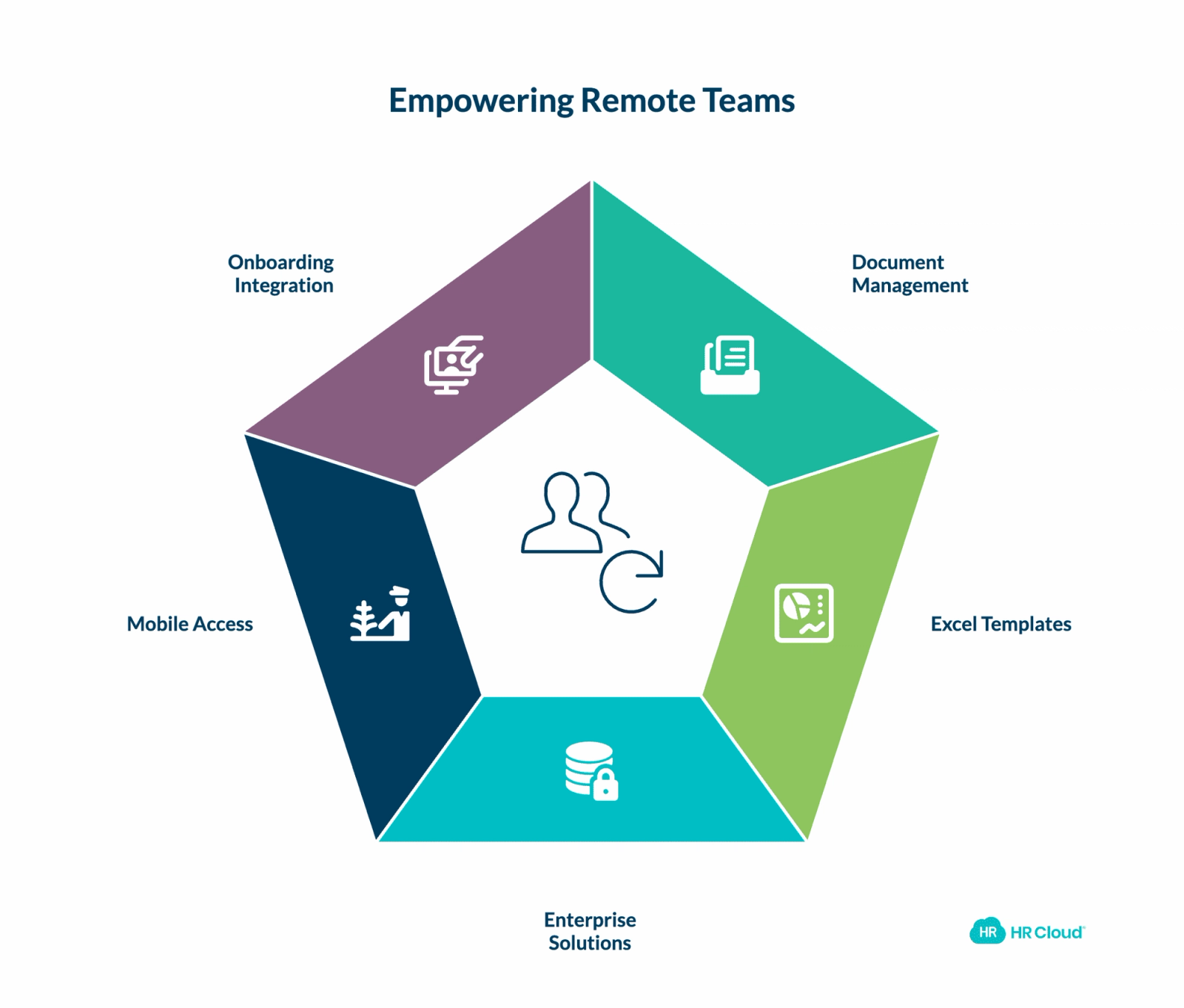
Remote teams need frictionless access to documents, templates, and shared resources. When employees work from different locations, centralized document management becomes critical infrastructure—eliminating version control issues, streamlining approvals, and accelerating project completion.
Excel templates and spreadsheet tools:
For tactical project management, budget tracking, and data analysis, Excel templates provide quick, accessible solutions without complex software requirements:
Project planning: Download action plan templates that help remote teams document goals, assign responsibilities, and track progress toward milestones. These structured templates ensure distributed team members align on objectives and deadlines.
Budget management: Financial tracking spreadsheets allow project managers to monitor expenses, forecast costs, and maintain budget discipline across remote initiatives. Template formulas automate calculations, reducing errors in distributed financial management.
Performance tracking: Create dashboards showing KPIs, productivity metrics, and goal progress. When combined with time tracking data from tools like Hubstaff, these spreadsheets provide comprehensive remote team performance visibility.
Data analysis and reporting: For HR analytics, employee data analysis, or engagement tracking, Excel templates with preset formulas and charts accelerate insight generation. Import data from your HRIS, apply analysis templates, and generate executive reports efficiently.
Limitations of Excel for remote teams:
While templates provide quick wins, Excel has significant limitations for collaborative remote work:
- Simultaneous editing creates version conflicts and data loss risks
- Email attachments scatter current versions across multiple inboxes
- No automated workflows for approvals, reviews, or stakeholder notifications
- Limited mobile functionality for accessing and editing complex spreadsheets
- Security vulnerabilities when sensitive employee data lives in unprotected files
Enterprise document management solutions:
For organizations managing remote teams at scale, comprehensive content management systems provide structure, security, and collaboration capabilities that Excel can't match:
HR Cloud's Workmates Content Management System addresses remote work document challenges specifically:
Centralized document repository: Store policies, procedures, training materials, and employee resources in organized folders accessible to authorized team members 24/7. Remote employees find what they need without hunting through email threads or shared drives.
Version control and audit trails: Every document edit creates a tracked version, showing who made changes and when. This accountability is critical for HR compliance documentation, policy updates, and regulated industry requirements.
Role-based access control: Grant document access by department, location, job level, or specific individuals—ensuring sensitive information reaches only authorized eyes. Remote healthcare workers see HIPAA-related documents; construction crews access safety protocols; executives view strategic planning materials.
Mobile access: Frontline workers and remote employees access documents from smartphones or tablets through native mobile apps. No laptop required—critical for deskless workforces who need policy information in the moment.
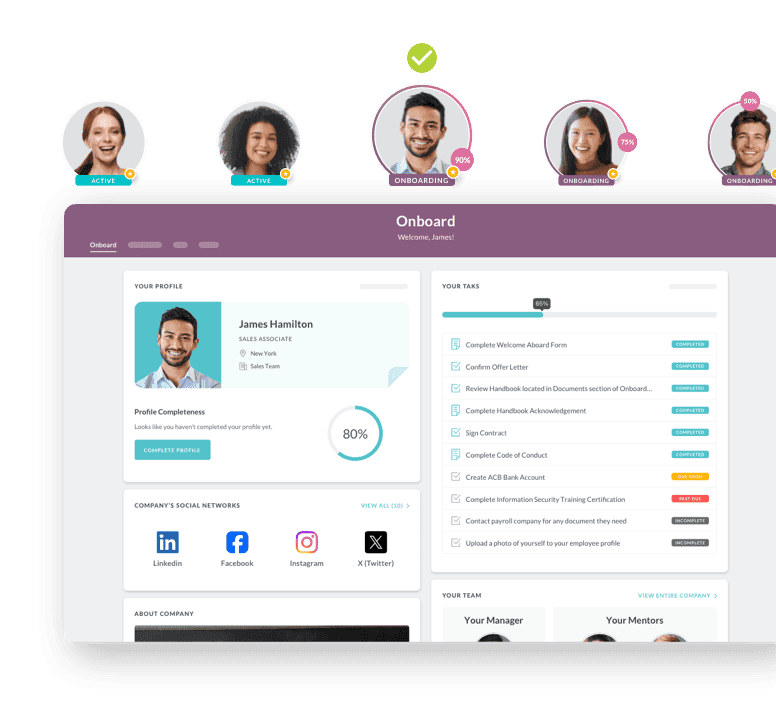
Integration with onboarding: New remote hires receive automatic access to role-specific documents through HR Cloud's Onboard platform, eliminating manual document distribution and ensuring compliance with remote onboarding requirements.
Search and discoverability: Powerful search functionality helps remote employees find specific policies, procedures, or resources quickly—reducing IT helpdesk tickets and manager interruptions.
Collaborative features: While Excel requires email tennis for reviews, Workmates enables commenting, feedback, and approval workflows within the platform. Managers review documents, leave feedback, and approve changes without leaving the system.
Beyond generic cloud storage:
Services like Google Drive and Dropbox provide basic file storage, but they lack the HR-specific features and employee engagement integration that distributed workforces need. HR Cloud's unified platform connects document management with communication channels, employee directories, and recognition features—creating a cohesive remote work experience rather than scattered tools.
For remote teams, document management isn't just about file storage—it's about creating structured access to the information employees need to succeed, regardless of location or schedule. When document systems integrate with broader employee engagement platforms, they become part of the cultural fabric that keeps distributed teams aligned and productive.
5. Remote Support & IT Management Tools
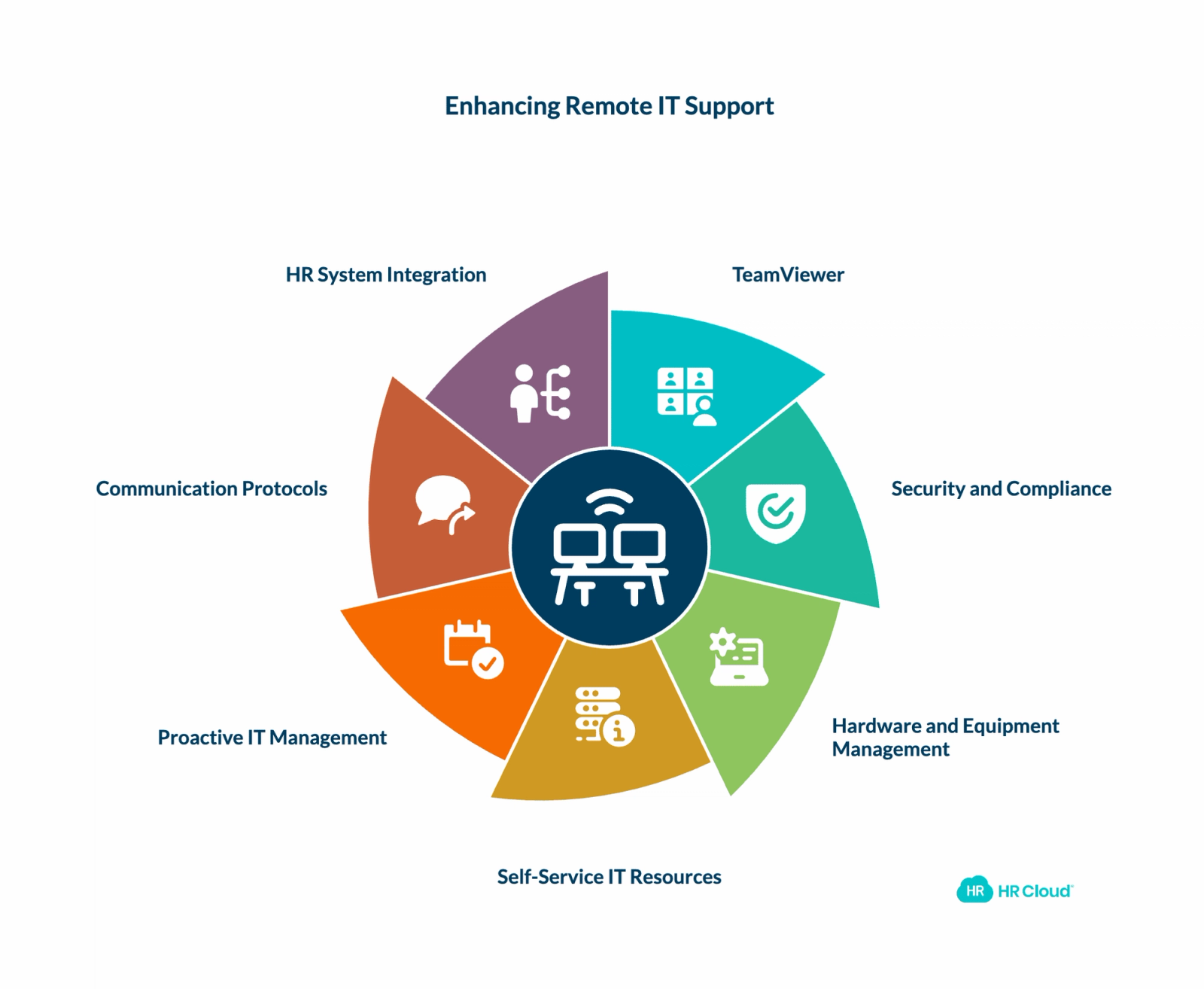
Technical issues don't stop just because employees work remotely. When a remote worker's software malfunctions, laptop freezes, or security question arises, they need immediate IT support without the option to walk down the hall to the help desk.
TeamViewer for remote IT support:
TeamViewer has become synonymous with remote desktop access, providing IT teams the ability to troubleshoot employee technical issues regardless of location:
Remote access and control: IT support staff connect to remote employee computers, see exactly what the user sees, and take control to resolve issues in real-time. This eliminates lengthy email explanations and accelerates problem resolution from hours to minutes.
Cross-platform compatibility: TeamViewer works across Windows, Mac, Linux, Android, and iOS—critical when remote teams use diverse devices and operating systems. IT can support any employee regardless of their hardware choices.
File transfer capabilities: Send software updates, configuration files, or documentation directly to remote employee computers during support sessions. No need for employees to download files separately or navigate complex transfer processes.
Unattended access: Configure TeamViewer for automated remote access to company-issued devices, enabling IT teams to perform maintenance, updates, or troubleshooting even when employees aren't actively at their computers—particularly valuable for after-hours updates across time zones.
Session recording: Document support sessions for training, quality assurance, or compliance purposes. Review recorded sessions to identify recurring issues and create self-service resources that prevent future support tickets.
Security features: End-to-end encryption, two-factor authentication, and granular access controls protect remote connections from unauthorized access—critical when IT teams remotely access devices containing sensitive employee or business data.
Beyond basic remote desktop—comprehensive IT management:
While TeamViewer solves individual support issues, comprehensive remote workforce management requires broader IT infrastructure:
Security and compliance: Remote employees working from home networks face increased cybersecurity risks. Research shows remote team members are involved in 62% of all security breaches because security responsibilities shift from centralized IT to individual employees who may lack awareness.
HR leaders managing remote teams need to ensure:
- VPN requirements for accessing company systems from unsecured networks
- Multi-factor authentication on all business applications and HRIS platforms
- Regular security training for remote employees on phishing, password hygiene, and data protection
- Clear mobile device management policies for employees using personal devices to access company data
- Data backup protocols ensuring remote work isn't lost to hardware failures
Hardware and equipment management: Remote employees need functional devices, reliable internet, and appropriate peripherals. HR Cloud's Assets management helps IT and HR teams track who has which equipment, when devices are due for replacement, and what accessories have been distributed—preventing equipment from disappearing into remote work black holes.
Self-service IT resources: Reduce support ticket volume by providing remote employees with searchable IT knowledge bases through Workmates' content management system. Common issues like password resets, VPN configuration, or software installation instructions become self-serve rather than requiring IT intervention.
Proactive IT management for remote teams:
The best remote IT strategy is prevention rather than repair. Organizations with mature remote work programs invest in:
Standardized remote work setups: Provide consistent hardware, pre-configured software, and documented setup procedures for all remote employees. This standardization simplifies support and creates predictable troubleshooting processes.
Regular device health checks: Schedule quarterly reviews of remote employee equipment performance, security posture, and necessary updates. Proactive maintenance prevents crisis support situations.
Communication protocols: Establish clear escalation paths for IT issues—when should remote employees email IT, call the helpdesk, or submit tickets? HR Cloud's Workmates platform can host dedicated IT support channels where employees ask questions and IT shares announcements about planned maintenance or known issues.
Integration with HR systems: Connect IT management with HR Cloud's People HRIS to automatically trigger IT tasks when employees are hired, promoted, or terminated. New remote employees receive equipment provisioning notifications; departing employees face device return reminders—all automated through the unified platform.
Remote IT support isn't just about fixing broken computers—it's about creating technical infrastructure that enables distributed employees to work effectively without location-based IT departments. When combined with robust HR technology platforms, IT management becomes seamless rather than a constant source of remote work friction.
Building Your Comprehensive Remote Work Technology Stack
The five tool categories covered—employee engagement platforms, video conferencing, time tracking, document management, and IT support—form the foundation of successful remote workforce management. But the real power comes from integration rather than isolated point solutions.
The integration advantage:
Organizations that connect their remote work tools into unified systems see dramatically better outcomes than those managing scattered software:
Single sign-on experience: When your employee engagement platform (Workmates), HRIS system (People), and onboarding solution (Onboard) integrate through platforms like ADP, UKG, or Workday, remote employees access everything through one login rather than managing multiple passwords and separate systems.
Data consistency: Employee information entered once flows automatically across all connected systems. Update someone's job title in your HRIS, and it reflects immediately in your directory, org chart, recognition platform, and communication channels—eliminating the duplicate data entry that creates errors and wasted time.
Unified analytics: See the complete remote employee experience by connecting time tracking data, engagement metrics, performance indicators, and recognition patterns in integrated dashboards. This holistic view helps HR leaders identify issues and opportunities that siloed systems miss.
Mobile accessibility: Remote frontline workers don't have laptops—they need mobile apps that deliver full functionality from smartphones. HR Cloud's mobile apps provide comprehensive access to communication, time off requests, company announcements, recognition, and document libraries—all designed specifically for deskless workers who power industries like healthcare, manufacturing, retail, and construction.
Strategic implementation recommendations:
Don't overwhelm remote teams by implementing every tool simultaneously. Take a phased approach:
Phase 1—Communication foundation: Start with a robust employee engagement platform like Workmates that consolidates announcements, team channels, recognition, and basic collaboration. This becomes the daily remote work hub where employees check in, connect with colleagues, and stay informed.
Phase 2—Core HR processes: Layer in onboarding automation for remote new hires, time off tracking that integrates with your communication platform, and performance management that connects goals to daily work.
Phase 3—Advanced capabilities: Add time tracking for project-based work, enhanced analytics for engagement monitoring, and specialized tools for industry-specific needs like healthcare scheduling or manufacturing shift planning.
Measuring remote work success:
The purpose of productivity tools isn't just efficiency—it's creating remote work experiences that drive engagement, retention, and business results. Organizations with comprehensive remote work strategies see:
- 25% higher employee retention through consistent recognition and cultural connection
- 60% faster onboarding for remote new hires through automated digital workflows
- 31% reduction in turnover when recognition programs integrate with daily communication
- 3.7x higher engagement among employees who feel connected to company mission and values
Ready to transform your remote workforce management?
The tools covered in this guide work independently, but their real power emerges when integrated into comprehensive platforms designed specifically for distributed team management. HR Cloud's unified approach connects communication, recognition, onboarding, performance management, and analytics in one system—eliminating the tool fatigue that comes from managing scattered point solutions.
Whether you're supporting 50 employees or 5,000, remote teams need more than just productivity tools—they need engagement platforms that build culture, maintain connection, and drive results regardless of location. Book a demo to explore how HR Cloud's solutions transform remote workforce challenges into competitive advantages.

Experience how Workmates can transform communication and strengthen culture—all in one powerful platform
Book Your Free DemoFrequently Asked Questions
What are productivity tools for remote workers?
Productivity tools for remote workers are digital platforms that help employees communicate, collaborate, and manage tasks while working from different locations. These tools typically include messaging platforms, video conferencing software, document collaboration systems, time-tracking tools, and IT support solutions that enable distributed teams to stay connected and efficient.
Why are productivity tools important for remote teams?
Productivity tools are essential because remote employees cannot rely on in-person communication or office infrastructure. These tools help teams coordinate tasks, communicate quickly, and track project progress. Organizations that provide the right digital tools can maintain high productivity, improve collaboration, and ensure remote employees stay connected with company goals and workflows.
What are the most essential productivity tools every remote worker needs?
Remote workers typically rely on several categories of tools, including communication platforms, video conferencing software, time tracking systems, document collaboration tools, and remote IT support platforms. Together, these technologies create a complete remote work environment that allows employees to collaborate, manage tasks, and solve technical issues efficiently.
How do communication platforms improve productivity for remote employees?
Communication platforms serve as a central hub where teams can share announcements, messages, and updates in real time. These platforms reduce reliance on slow email communication and allow employees to collaborate through channels, group discussions, and recognition programs. Effective communication tools also help maintain company culture among distributed teams.
Why is video conferencing important for remote collaboration?
Video conferencing allows remote teams to maintain face-to-face communication even when employees are located in different places. Virtual meetings help teams discuss projects, conduct training sessions, and build stronger relationships. Visual communication also improves clarity during discussions and helps remote workers feel more connected to their colleagues.
How do time-tracking and productivity management tools help remote workers?
Time-tracking tools allow employees and managers to monitor work hours, project progress, and task completion. These tools provide visibility into how time is spent on different activities and help teams maintain accountability. They also enable organizations to identify productivity patterns and improve workflow management for remote teams.
What role do document collaboration tools play in remote work?
Document collaboration tools allow multiple team members to work on files simultaneously from different locations. These tools support file sharing, version control, and real-time editing, making it easier for remote teams to collaborate on reports, presentations, and projects without needing to exchange multiple document versions.
Why are remote IT support tools important for distributed teams?
Remote IT support tools allow technical teams to troubleshoot software or system issues without needing physical access to employees’ devices. These platforms help resolve technical problems quickly, reduce downtime, and ensure remote workers can continue their tasks without major interruptions.
How do productivity tools help maintain engagement among remote employees?
Productivity tools often include communication, recognition, and collaboration features that help employees stay connected with their teams. These platforms allow companies to share updates, recognize achievements, and encourage participation in discussions, which helps maintain motivation and engagement even when employees work remotely.
How can organizations build an effective remote work technology stack?
Organizations can build an effective remote work technology stack by combining communication platforms, collaboration tools, time tracking systems, and remote support solutions into one integrated ecosystem. Choosing tools that integrate with each other ensures smoother workflows and reduces the need for employees to switch between multiple disconnected systems.
About the author

Keep Reading


Like What You Hear?
We’d love to chat with you more about how HR Cloud® can support your business’s HR needs.
Book Your Free Demo