
Appreciation Award Examples That Inspire Employees

Employee appreciation awards are formal or informal ways to recognize and thank team members for their contributions, achievements, and dedication. From customized kudos badges and milestone certificates to gift cards and experiential rewards, the right appreciation award reinforces company values while making employees feel genuinely valued.
Recognition isn't just a nice-to-have—it's a strategic driver of engagement. Research from Gallup shows that employees who receive regular recognition are 3x more likely to feel engaged at work and 63% less likely to seek a new job. Whether you're looking for budget-friendly appreciation ideas or building a comprehensive employee recognition program, the key is consistency and authenticity.
The most effective appreciation awards combine personal relevance with public acknowledgment. In today's hybrid and distributed workforce, digital recognition platforms like HR Cloud's Workmates make it simple to celebrate wins in real-time, whether team members are on the front line, in the office, or working remotely.
What Are Employee Appreciation Awards?
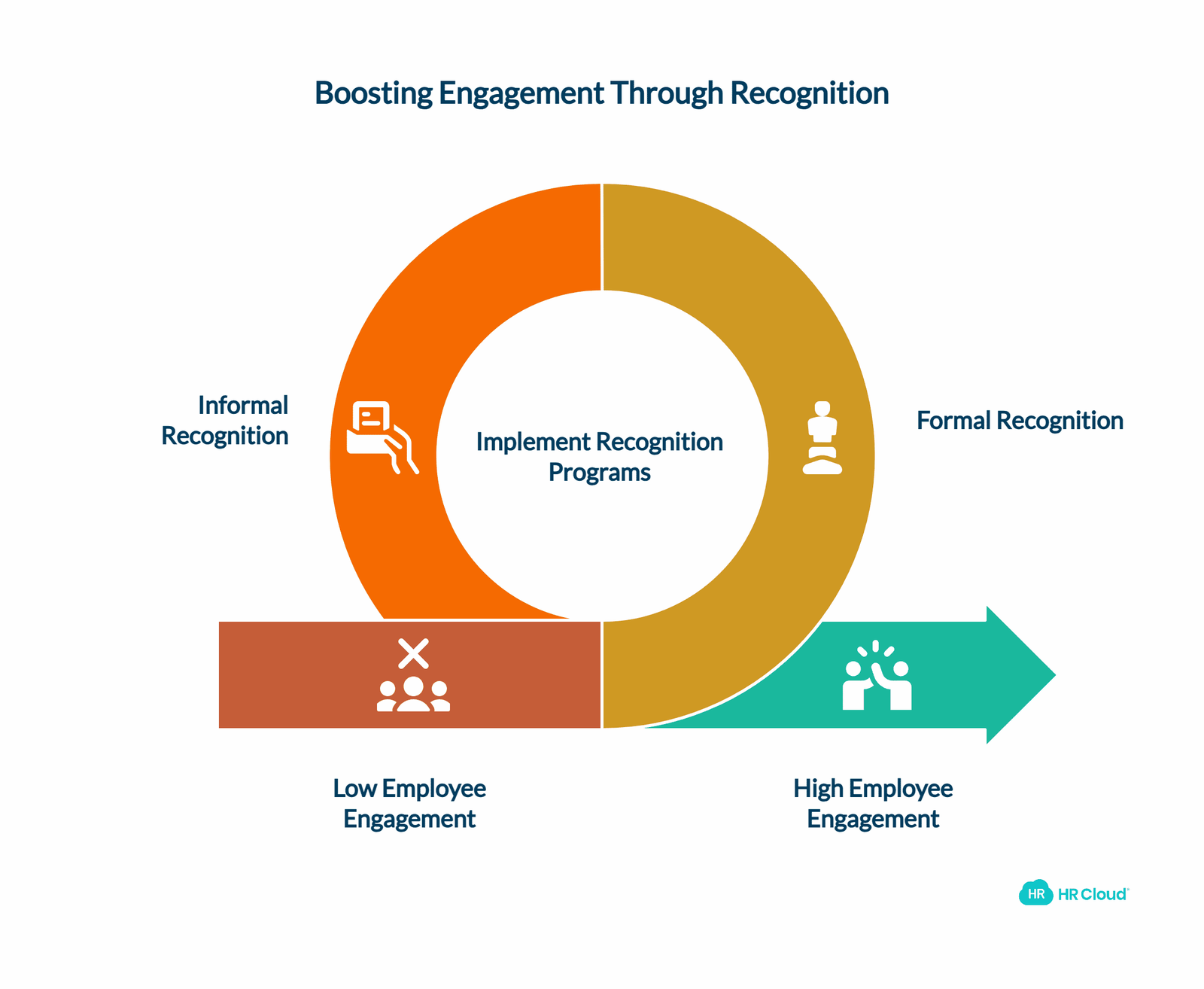
Employee appreciation awards are structured or informal recognition methods that acknowledge team members for specific achievements, behaviors, or milestones. These awards serve multiple purposes: reinforcing desired behaviors, strengthening company culture, boosting morale, and improving retention.
Why Recognition Matters for Employee Engagement
The business case for recognition is compelling. According to research from the Society for Human Resource Management (SHRM), organizations with recognition programs experience:
- 31% lower voluntary turnover rates compared to organizations without formal recognition
- 12x better employee retention when recognition is frequent and meaningful
- 85% improvement in employee engagement scores within the first year of program implementation
Recognition works because it taps into fundamental human psychology. When employees receive acknowledgment for their work, their brains release dopamine—the same neurotransmitter associated with reward and motivation. This creates a positive feedback loop where recognized employees become more engaged, productive, and likely to recognize others.
For distributed and frontline teams, recognition becomes even more critical. Remote workers often feel disconnected from company culture, while deskless employees in healthcare, manufacturing, retail, and hospitality may feel overlooked. A robust employee engagement platform ensures everyone—regardless of location or role—feels valued.
Formal vs. Informal Recognition
Formal recognition programs include structured awards with clear criteria and scheduled frequency:
- Employee of the Month/Quarter/Year awards
- Service milestone celebrations (1, 5, 10, 15+ years)
- Performance-based bonuses or President's Club
- Annual achievement ceremonies
- Department or team excellence awards
Informal recognition happens spontaneously and frequently:
- Peer-to-peer kudos on digital platforms
- Manager shout-outs during team meetings
- Handwritten thank-you notes
- Spontaneous team celebrations
- Real-time acknowledgment via Slack or Microsoft Teams
The most effective recognition strategies combine both approaches. Formal programs provide structure and ensure milestone moments aren't missed, while informal recognition creates a continuous culture of appreciation. HR Cloud's Workmates supports both with automated milestone celebrations and real-time peer recognition capabilities.
Types of Employee Appreciation Awards
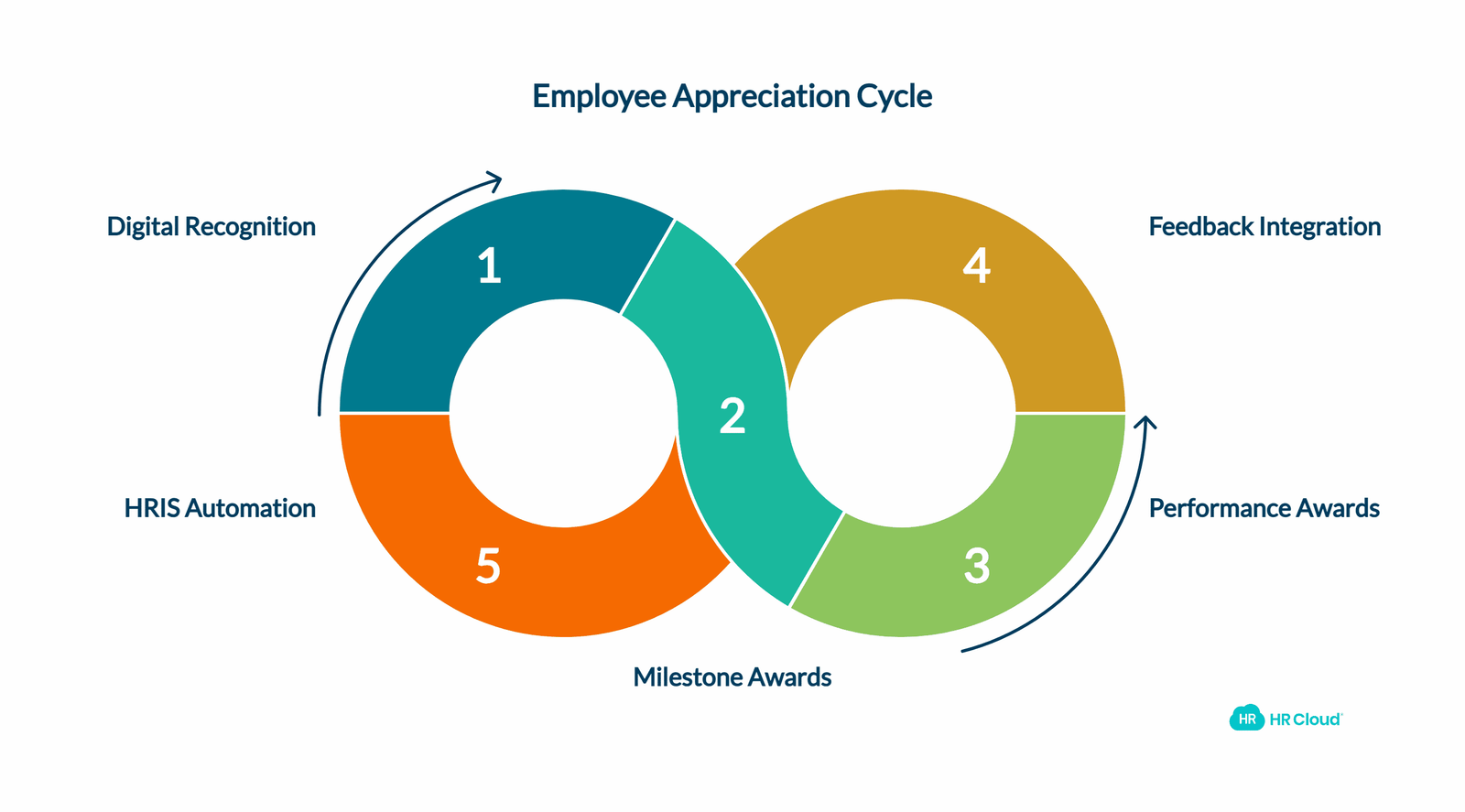
Digital Recognition Badges & Kudos
Digital recognition has transformed how organizations celebrate their people. Instead of waiting for quarterly reviews or annual ceremonies, employees can give and receive recognition instantly through social recognition platforms.
How Digital Kudos Work:
Employees select a customizable badge—aligned with company values like "Innovation Champion," "Teamwork Star," or "Customer Hero"—and pair it with a specific message about what the person did well. The recognition posts to a social feed where colleagues can like, comment, and react, creating visibility and reinforcing the behavior.
Key Benefits:
- Real-time recognition: Acknowledge achievements immediately, not weeks later
- Peer-driven culture: Empowers everyone to recognize others, not just managers
- Values reinforcement: Custom badges tie recognition directly to company culture
- Mobile accessibility: Frontline workers can give and receive kudos from their phones
- Analytics: Track recognition frequency, distribution, and correlation with engagement
Many organizations add a points-based reward system where kudos accumulate into redeemable points. Employees can exchange points for gift cards, company merchandise, or custom rewards through an integrated rewards catalog.

Milestone & Service Awards
Service milestone awards celebrate employee loyalty and tenure. These awards demonstrate that the organization values long-term commitment and wants to retain experienced team members.
Common Milestone Celebrations:
- 1-Year Anniversary: Welcome to the team gift basket, personalized company swag, or certificate of appreciation
- 3-Year Milestone: Enhanced gift card ($75-$150), premium desk accessory, or company-branded high-quality item
- 5-Year Achievement: Personalized plaque or crystal award, weekend getaway, significant gift card ($200-$300)
- 10-Year Recognition: Substantial reward ($500+), extra paid time off, exclusive company event invitation, executive lunch
- 15+ Years: Major experience reward (travel, concert series, luxury item), significant bonus, special recognition at company-wide event
Service awards work best when they're automated through your HRIS. When HR Cloud's People HRIS integrates with Workmates, work anniversaries and birthdays automatically trigger recognition posts and notifications, ensuring no one is overlooked.
Performance-Based Recognition
Performance awards acknowledge specific achievements and exceptional contributions:
Project-Based Awards:
- Successful project completion bonuses
- Innovation awards for new ideas or process improvements
- Problem-solving recognition for overcoming significant challenges
- Cross-functional collaboration awards
Results-Driven Recognition:
- Sales achievement clubs (President's Circle, Chairman's Club)
- Goal attainment bonuses
- Quality excellence awards
- Safety milestone celebrations (especially relevant for manufacturing, construction, healthcare)
Behavioral Recognition:
- Living company values awards
- Customer service excellence
- Mentorship and leadership awards
- Going above and beyond acknowledgments
Performance-based recognition should include specific feedback about what the employee did well. Instead of generic "great job," effective recognition says: "Your creative approach to the client presentation—especially the interactive demo you built—directly contributed to closing our largest deal this quarter."
25+ Employee Appreciation Award Examples
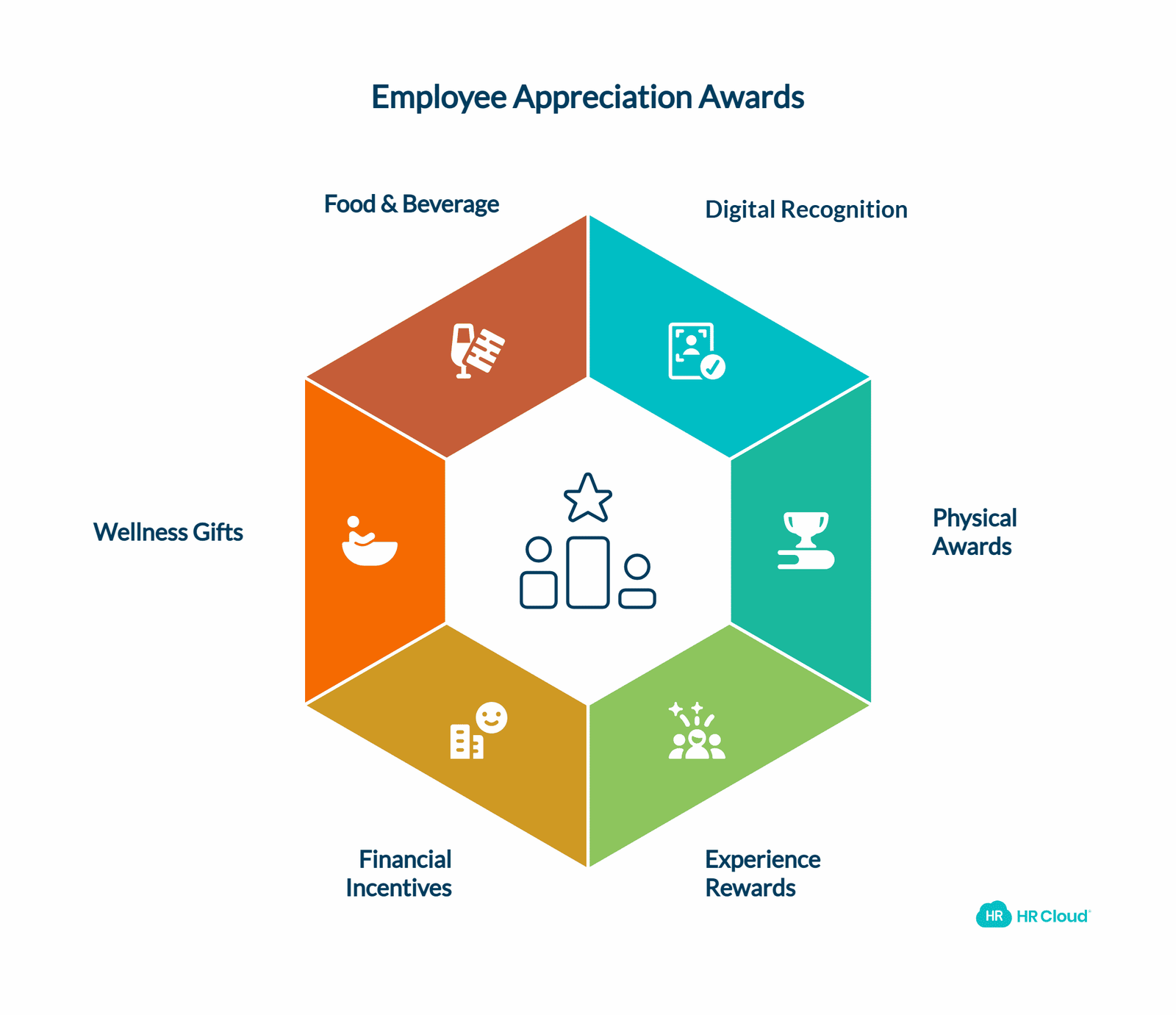
Digital & Platform-Based Recognition
1. Customizable Kudos Badges
Create badges tied to company values like "Integrity Icon," "Innovation Leader," or "Customer Champion." Employees give these digitally through recognition platforms, creating a social feed of appreciation.
2. Peer-to-Peer Recognition Points
Implement a points system where employees earn recognition points redeemable for rewards. This gamifies appreciation and creates consistent reinforcement.
3. Leaderboards & Recognition Rankings
Display top recognizers and most-recognized employees (with permission) to create healthy competition and visibility.
4. Automated Milestone Celebrations
Set your system to automatically post birthday and work anniversary recognition with custom messages and badges.
5. Manager Spotlight Posts
Create a recurring feature where managers write detailed spotlight posts about team members' contributions.
Traditional Physical Awards
6. Engraved Plaques & Trophies
Classic awards for formal recognition programs. Include employee name, achievement, and date. Display in common areas to create lasting visibility.
7. Certificates of Appreciation
Professional certificates for achievement milestones, training completions, or special contributions. Frame-ready with official signatures.
8. Desk Nameplates
Personalized brass or acrylic nameplates that add professional polish to employee workspaces.
9. Years of Service Pins
Traditional lapel pins or badges marking 5, 10, 15, 20+ years of service. Many employees wear these proudly at company events.
10. Custom Company Merchandise
High-quality branded items that employees actually want to use:
- Premium jackets, fleece, or polos with employee names
- Quality backpacks, bags, or laptop cases
- Desk accessories (pen sets, organizers, tech holders)
- Drinkware (insulated tumblers, coffee mugs, water bottles)
Experience-Based Rewards
11. Concert or Sporting Event Tickets
VIP tickets to events employees are passionate about. Research preferences first—a country music fan won't appreciate opera tickets.
12. Restaurant or Entertainment Gift Certificates
Let employees choose their own dining or entertainment experience. Popular options include OpenTable, Resy, or local restaurant groups.
13. Spa Day or Wellness Experiences
Massage packages, spa days, float therapy, yoga class packages, or meditation retreats. Especially meaningful after high-stress projects.
14. Adventure Experiences
Skydiving, hot air balloon rides, race car driving, cooking classes, wine tastings—memorable experiences that create lasting positive associations.
15. Travel Vouchers
Airfare credits, hotel gift cards, or weekend getaway packages. Let employees choose their destination and timing.
16. Extra Paid Time Off
The ultimate flexible reward. Offer an extra day, long weekend, or full week depending on the achievement level.
Gift Cards & Financial Recognition
17. Retailer Gift Cards
Amazon, Target, Walmart, or category-specific cards (Home Depot for home improvement enthusiasts, Best Buy for tech lovers).
18. Restaurant Gift Cards
National chains or local favorites. Starbucks cards are universally appreciated for daily coffee runs.
19. Entertainment Streaming Subscriptions
Pay for a year of Netflix, Spotify, Disney+, or specialized services (MasterClass, Audible).
20. Charitable Donations
Make donations in the employee's name to causes they care about. Provide a selection of pre-approved charities or let them choose.
21. Cash Bonuses
Direct financial rewards. Be mindful that cash bonuses may feel transactional—pair with personal recognition to maintain emotional impact.
Wellness & Self-Care Gifts
22. Fitness Tracker or Wellness Device
Fitbit, Apple Watch, smart scale, or other health tech. Popular with employees focused on personal wellness goals.
23. Meditation or Mindfulness App Subscriptions
Headspace, Calm, or Ten Percent Happier. Shows you care about employees' mental health and stress management.
24. Ergonomic Office Equipment
Standing desk converters, ergonomic chairs, keyboard/mouse combos, monitor arms, or footrests. Especially valued by remote workers.
25. Meal Kit or Grocery Delivery Subscriptions
HelloFresh, Blue Apron, or grocery delivery services. Saves time and reduces decision fatigue for busy professionals.
Food & Beverage Gifts
26. Gourmet Food Baskets
Curate based on preferences: artisan cheeses, imported chocolates, specialty coffees, international snacks, or dietary-specific options (vegan, gluten-free).
27. Wine or Craft Beer Subscriptions
Monthly delivery of curated selections. Include tasting notes and pairing suggestions.
28. Cooking & Culinary Boxes
Premium ingredients, exotic spices, specialty oils, gourmet sauces, and recipe cards. Pair with virtual cooking classes for enhanced experience.
Personalized Employee Appreciation Gift Ideas
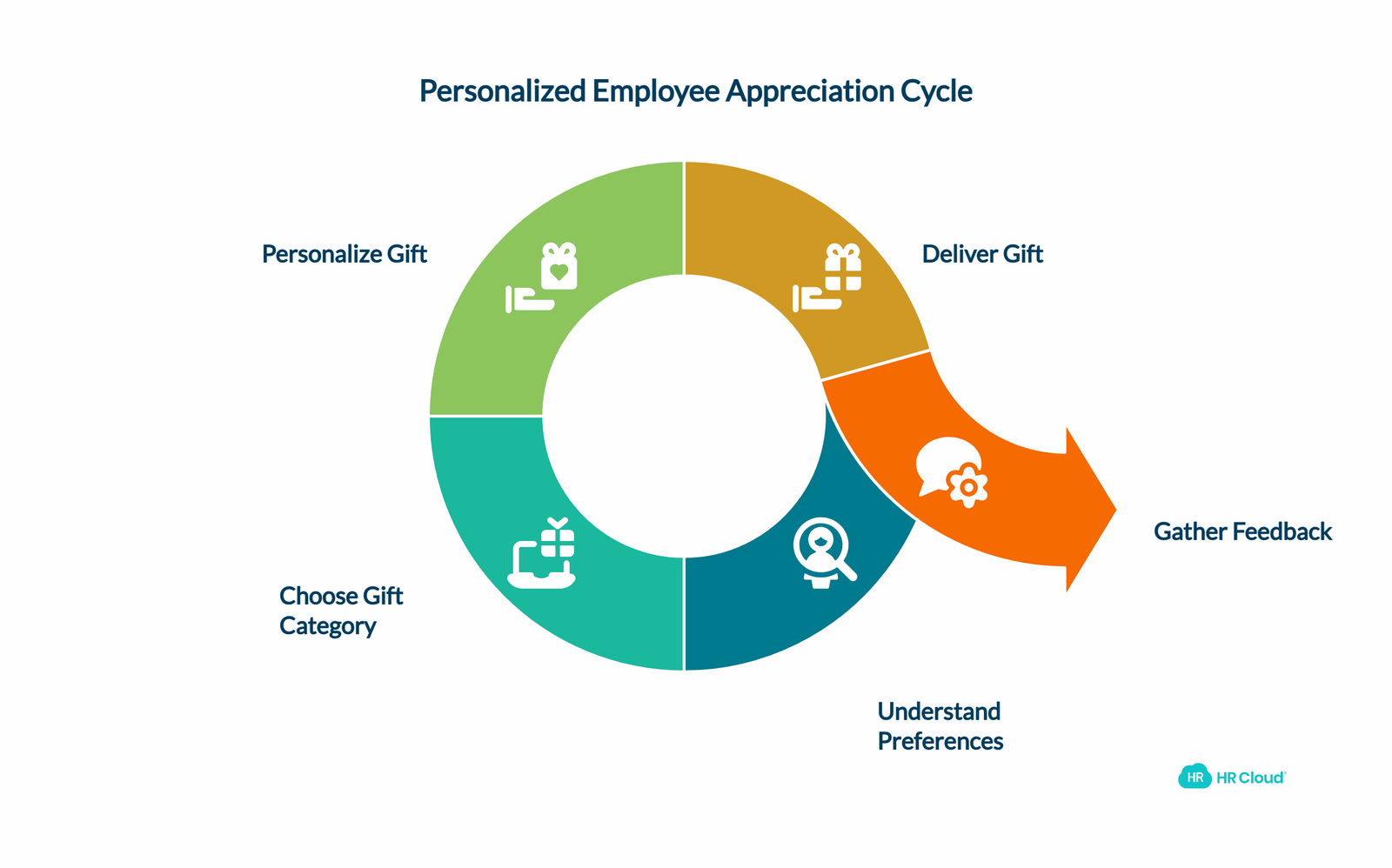
When you want to show team members how much you appreciate their efforts, personalization makes the difference. Generic corporate gifts are acceptable, but thoughtful, customized presents resonate more deeply.
Getting to Know Your Team
Effective recognition starts with understanding preferences. Take time to learn what motivates each team member—do they prefer public praise or private acknowledgment? Are they motivated by career development opportunities or tangible rewards?
Discovery Strategies:
- Include preference questions in onboarding surveys
- Conduct stay interviews to understand what employees value
- Use pulse surveys to gauge recognition preferences
- Train managers to ask about interests during one-on-ones
- Create employee profiles in your HRIS system that capture recognition preferences
Physical Gift Categories That Work
Category 1: Workplace Enhancement
- Personalized desk nameplate with title and achievements
- Executive desk organizer set with employee initials
- Quality desk lamp or ambient lighting
- Premium office chair cushion or back support
- Personal mini-fridge or coffee maker for office
- Noise-canceling headphones for focus
- Desk plants in personalized planters
Category 2: Professional Development
- Industry conference tickets with travel covered
- Professional certification exam fees and study materials
- Executive coaching sessions (3-6 month package)
- Online course subscriptions (LinkedIn Learning, Coursera, Udemy)
- Industry-specific books or magazine subscriptions
- Membership to professional associations
Category 3: Technology & Gadgets
- Wireless charging stations
- Smart home devices (Echo, Google Home)
- Portable phone chargers and power banks
- Bluetooth speakers for music lovers
- E-readers for avid readers
- Tablet or iPad for portable work
Category 4: Custom Branded Items
- Embroidered jackets or vests with name and years of service
- Monogrammed leather portfolios or padfolios
- Custom company challenge coins or medallions
- Branded technical gear (performance shirts, fleece, rain jackets)
- Personalized travel bags with employee initials
Category 5: Home & Lifestyle
- Gourmet coffee or tea subscription
- Premium kitchen gadgets for cooking enthusiasts
- Home spa kits (luxury bath products, aromatherapy)
- Fitness equipment (yoga mats, resistance bands, kettlebells)
- Streaming device upgrades (Roku, Apple TV)
Get started on your own employee recognition program using this Recognition Program Starter Kit.
Download Now
Experience-Based Rewards
Experiential gifts create lasting memories and often have greater emotional impact than physical items:
Entertainment Experiences:
- Broadway or theater tickets with pre-show dinner
- Music festival or concert VIP passes
- Comedy club evening with drinks included
- Museum or art gallery memberships
- Season tickets to local sports teams
Learning & Growth Experiences:
- Cooking classes with renowned chefs
- Wine or whiskey tasting experiences
- Photography workshops
- Language learning intensives
- Artistic pursuits (pottery, painting, dance classes)
Adventure & Outdoor:
- Zip-lining or ropes course adventures
- Scuba diving certification
- Rock climbing lessons
- Kayaking or paddleboard rentals
- Golf course packages with pro lessons
Relaxation & Wellness:
- Full spa day with massage, facial, and treatments
- Weekend wellness retreat
- Meditation or yoga intensive
- Float therapy sessions
- Personal training package (10-20 sessions)
Digital Reward Options
Modern employee rewards programs increasingly use points-based systems where employees accumulate recognition points and redeem them from a catalog of options:
Digital Gift Card Options:
- Major retailers (Amazon, Target, Walmart)
- Dining (Uber Eats, DoorDash, restaurant groups)
- Entertainment (Fandango, iTunes, gaming platforms)
- Travel (Airbnb, Hotels.com, airline gift cards)
- Specialty stores matching hobbies
Charitable Giving Options:
- Allow employees to donate points to causes they care about
- Company matches employee charitable point donations
- Create cause categories: environment, education, health, animal welfare
Subscription Services:
- Streaming media (Netflix, Hulu, Disney+)
- Music services (Spotify Premium, Apple Music)
- Audiobook platforms (Audible)
- Learning platforms (MasterClass, Skillshare)
- Meal kits and grocery delivery
Points System Advantages:
- Employee choice: People select rewards that matter to them personally
- Flexibility: Employees can save points for larger rewards or use immediately
- Simplified administration: HR doesn't need to research individual preferences
- Scalability: Works equally well for 50 or 5,000 employees
- Budget control: Set point values and catalog options within budget constraints
Here Are Some More Ideas to Think About:
Budget-Friendly Appreciation Options:
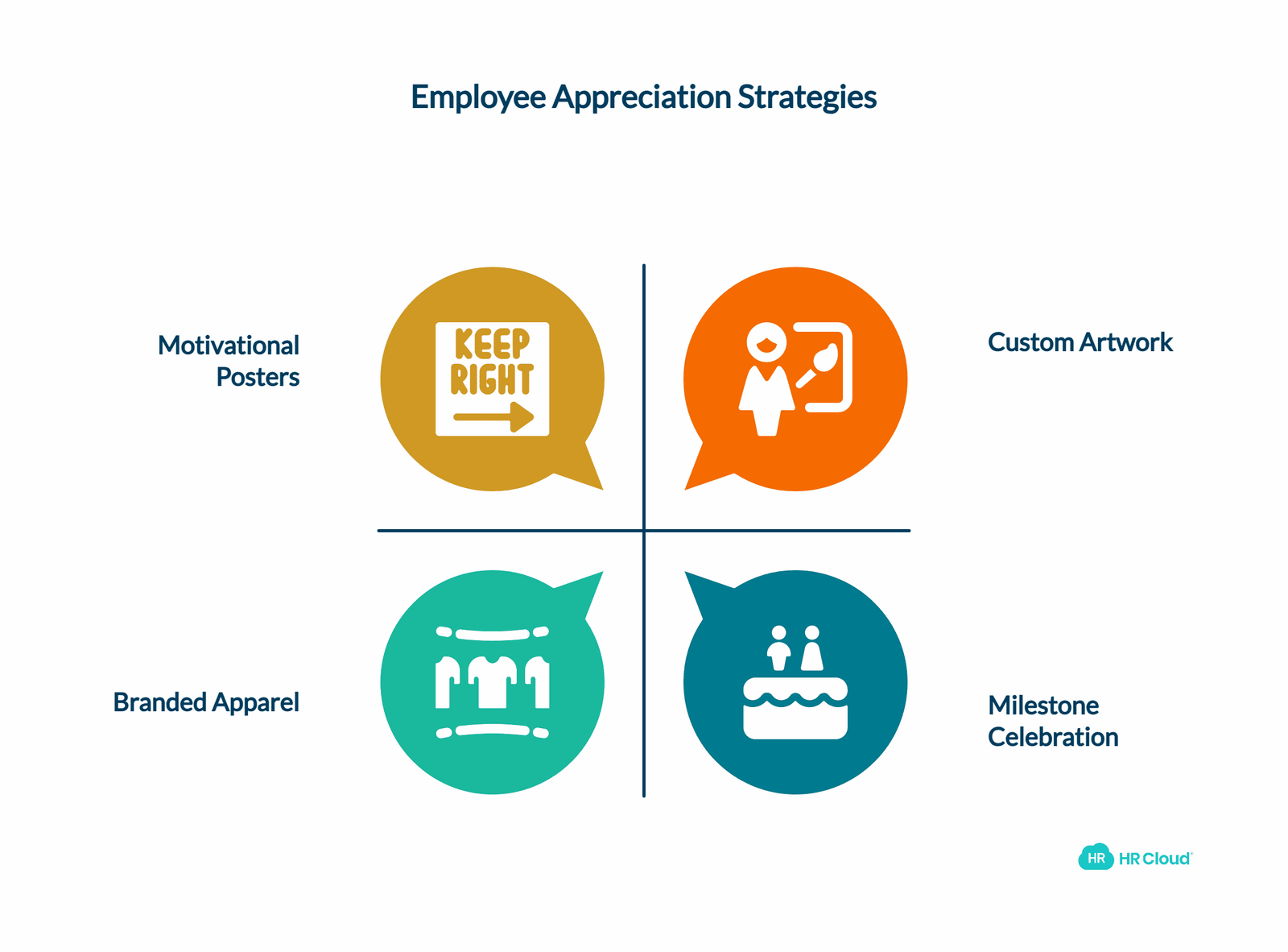
- Clothing with the company logo design – branded apparel creates team identity and pride
- Bags with the company logo – functional items employees use daily
- Fun items to complement the workplace – desk toys, motivational posters, plants
- Sweets – candy jars, chocolate boxes, or local bakery treats for the team
These ideas work well for raising team and corporate spirit through shared identity. They're particularly effective for:
- New hire welcome kits during employee onboarding
- Team building events and retreats
- Company milestone celebrations
- Holiday appreciation
- Project completion rewards
For Special Occasions & Milestones:
When there's a specific reason for celebration—a major achievement, promotion, personal milestone, or annual recognition—you'll want something more substantial than everyday appreciation.
If you want something original, you can order a short poem from the essay writing website about each employee, or commission custom artwork from local artists celebrating their contributions.
What Are Unforgettable Appreciation Gifts for Employees?
When you want to show team members how much you appreciate their efforts, you'll want to choose gifts that are appropriate and meaningful. Generic business presents are acceptable, but personalized corporate gifts are preferable because they demonstrate genuine thought and effort.
Get to know the team member you want to give a present to and learn what they like. Then, based on their preferences, you may select an appreciation present that they will genuinely value. This may be a wine box for oenophiles, a gift card to their favorite merchant, or even personalized company merchandise that reflects their role and achievements.
Employee presents might be useful at work or at home for your employees. Something to keep their workplace organized—like premium desk organizers or cable management systems—or a technology gadget to boost their efficiency. The goal is to come up with something unique, practical, and appealing to your team that expresses genuine gratitude for their efforts.
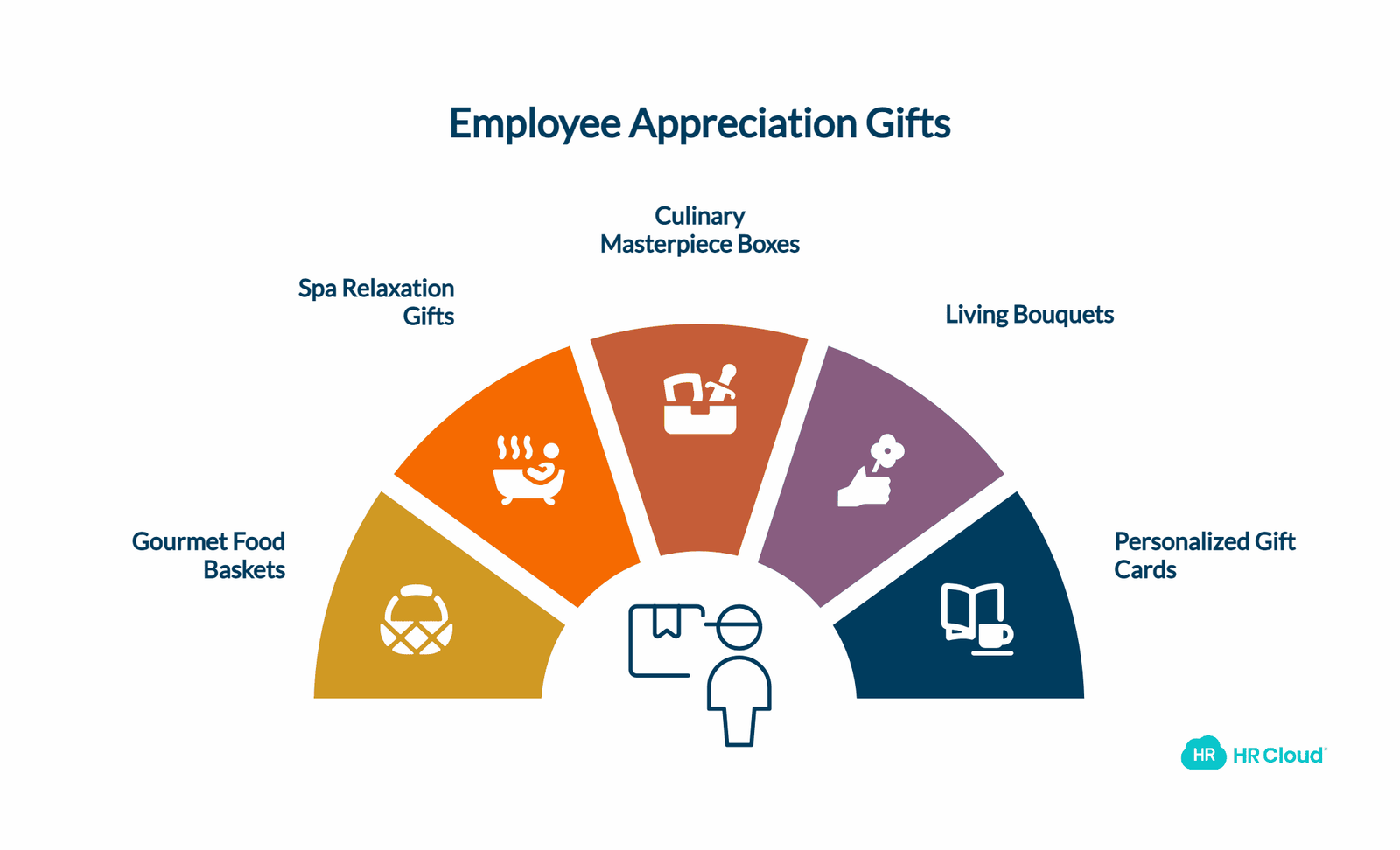
5 Unforgettable Employee Appreciation Presents
1. Basket of Gourmet Foods
Choose from a wide range of delicious gift baskets based on the preferences and interests of the employee you're gifting to. Options include:
- Sweet Tooth Collection: Artisan cookies, dried fruits, premium chocolates, chocolate-covered strawberries, gourmet fudge
- Savory Selection: Aged cheeses, charcuterie, crackers, olives, specialty mustards, preserves
- Beverage Focus: Craft coffee, premium teas, hot chocolate mixes, flavored syrups
- International Flavors: Italian antipasti, French delicacies, Spanish tapas, Asian snack collections
- Health-Conscious: Organic dried fruits, nuts, seeds, protein bars, healthy snack options
Gourmet baskets feel indulgent and work well across diverse teams since you can customize to dietary preferences (vegan, gluten-free, kosher, halal).
2. Spa Relaxing Gift
Your staff will be grateful that you purchased a gift of relaxation for them. Modern spa gift sets go beyond basic bath products to create complete self-care experiences:
Premium Spa Day Box Contents:
- Luxury bath foam or bubble bath
- Exfoliating body sponge or loofah
- Bath bombs with essential oils
- Aromatherapy candles (lavender, eucalyptus, chamomile)
- Scented bath salts (Himalayan, Dead Sea, Epsom with essential oils)
- Plush robe or soft towels
- Sleep mask and slippers
- Relaxing music or guided meditation soundtrack
After demanding weeks at the office—especially following major project deadlines, busy seasons, or high-stress periods—spa gifts communicate that you value employees' wellbeing and want them to decompress. For remote and hybrid workers who struggle to disconnect from home offices, spa experiences create intentional relaxation time.
3. Box for Culinary Masterpieces
For restaurant managers, hospitality professionals, or employees who are passionate home cooks, curated culinary boxes celebrate their craft:
Professional Chef Box Contents:
- Premium extra virgin olive oil (single-estate, cold-pressed)
- Specialty finishing oils (truffle, chili-infused, herb oils)
- International sauces (authentic Asian, Mediterranean, Latin American)
- Garlic & rosemary sea salt, smoked salts, finishing salts
- Italian blend herbs, saffron, exotic spice collections
- Whole grain mustards, specialty condiments
- Professional cookbook or recipe collection
- Culinary accessories (microplane grater, citrus zester, herb scissors)
- Professional chef's apron with personalization
Pair physical boxes with virtual cooking class access or subscription to culinary streaming platforms. This type of recognition resonates especially well in food service industries where culinary passion drives careers.
4. Vase with Small Bouquet
Living gifts create lasting appreciation reminders. There are many options depending on employee preferences:
Fresh Flower Options:
- Seasonal bouquets delivered monthly (subscription service)
- Anniversary flowers on work milestones
- Celebration arrangements for promotions or achievements
- Sympathy arrangements during difficult personal times
Living Plant Options:
- Low-maintenance desk plants (succulents, air plants, pothos)
- Flowering plants (orchids, African violets, peace lilies)
- Herb gardens for cooking enthusiasts
- Small bonsai trees for patient, contemplative employees
You can send a simple bouquet or decorate office spaces with a variety of stunning plants and bright flowers. Plants improve air quality, reduce stress, and serve as visible daily reminders of appreciation. Consider employees' light availability (office with windows vs. interior cubicle) and maintenance willingness when selecting plants.
5. Gift Card
Perhaps you're unsure what to get specific employees as presents. Versatile gift cards allow employees to choose what they genuinely want. However, elevate gift cards beyond generic cash equivalents:
Gift Card Enhancement Strategies:
Personalize the Presentation:
- Include handwritten card explaining specific achievements you're recognizing
- Package in quality gift box or presentation folder
- Pair with small branded item (company mug, notebook, pen)
- Present publicly during team meeting to create visibility
Choose Thoughtful Merchants:
- Match gift card to known interests (bookstores for readers, craft stores for makers)
- Select experience providers rather than just retailers (restaurants, entertainment, activities)
- Offer choice between 2-3 options based on employee lifestyle
Use Points-Based Platforms: Modern employee rewards programs provide digital gift card catalogs with hundreds of options. Employees accumulate points from recognition and redeem for:
- Major retailers (Amazon, Target, Walmart)
- Dining and food delivery
- Travel and hospitality
- Entertainment and streaming
- Specialty stores and hobbies
eCard Options for Immediate Recognition: There are also digital gift cards that employees can receive and spend immediately, without waiting for physical mail or having to visit specific locations. Digital delivery works especially well for:
- Remote and distributed teams
- Time-sensitive recognition ("Great job on today's presentation!")
- Younger employees who prefer digital transactions
- International team members where physical shipping is complicated
Gift Card Value Guidelines:
- Spot recognition: $10-$25
- Monthly acknowledgment: $25-$50
- Quarterly awards: $50-$100
- Annual recognition: $100-$250
- Milestone celebrations: $250-$500+
Budget-Friendly Appreciation Award Ideas
Not every recognition moment requires significant financial investment. Some of the most meaningful appreciation costs nothing but time and genuine thought.
Low-Cost, High-Impact Recognition
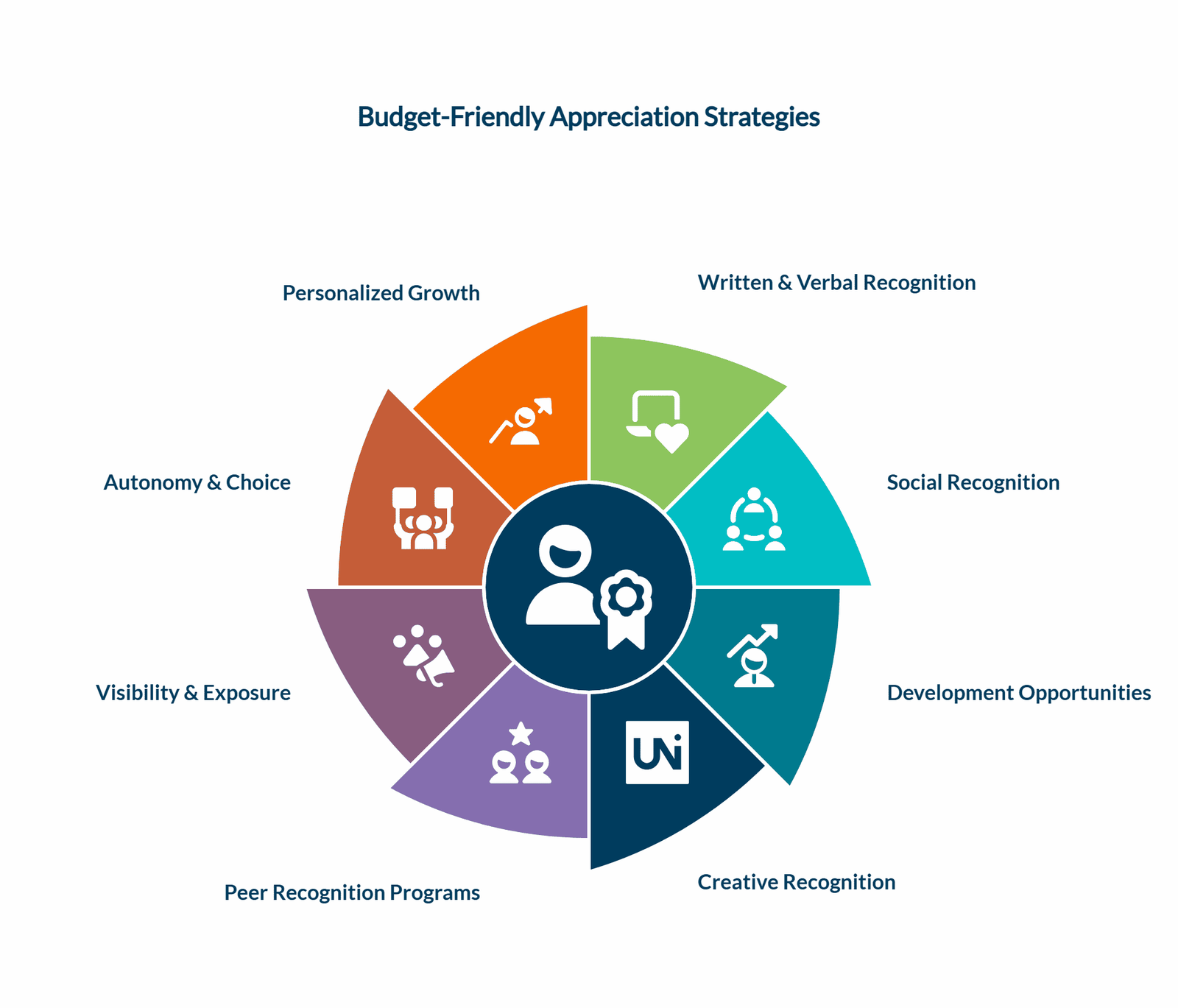
Written & Verbal Recognition ($0):
- Handwritten thank-you notes (research shows these have outsized emotional impact)
- Public shout-outs during team meetings
- Personalized email from executive leadership
- Feature employee in company newsletter or intranet
- Share employee achievement story on company social media
- Record video message of appreciation
- Create "Wall of Fame" with photos and achievements
Social Recognition ($0-$50):
- Coffee or lunch with CEO/executive team
- Prime parking spot for the month
- "Jeans pass" for dress-code-casual weeks
- Choice of schedule (first pick for preferred shift)
- Team breakfast or lunch (catered or potluck)
- Extended lunch break or early Friday departure
- Work-from-home day(s) for normally on-site roles
Development Opportunities ($0-$200):
- Shadowing executive for day
- Leading high-visibility project
- Presenting at team or company meeting
- Mentoring junior team member
- Cross-training in desired department
- Attending company-paid conference (virtual conferences are especially affordable)
- Professional association membership ($100-$200 annually)
Creative Recognition ($10-$50):
- Customized trophy from online shops (often $15-$30)
- Printed certificate in quality frame ($20-$40)
- Custom badge, button, or sticker employees can display
- Desk plant in simple planter ($15-$25)
- Premium snacks or local bakery treats for team ($30-$50)
- Donated lunch hour: cover employee's shift so they can leave early
Free Recognition Strategies That Work
Peer Recognition Programs: Empower employees to recognize each other through social recognition platforms like Workmates. Peer nominations often feel more authentic than manager-driven programs because they come from colleagues who directly witness contributions.
Visibility & Exposure: Recognition doesn't always require gifts—sometimes visibility is the reward:
- Present employee's work at leadership meeting
- Invite to strategic planning sessions
- Include in high-level email communications
- Ask employee to represent team/department at company events
- Give speaking opportunity at town halls
- Feature in recruitment materials as example of company culture
Autonomy & Choice: Grant additional decision-making authority or choice as recognition:
- Flexibility to set own schedule for period
- Choice of next project assignment
- Input on department goals or processes
- Authority to approve budget expenditures
- Freedom to experiment with new approaches
Personalized Growth: Provide development opportunities tailored to career aspirations:
- Introduce to executive for mentoring relationship
- Create special project aligned with career goals
- Assign high-visibility stretch assignment
- Sponsor for leadership training
- Include in succession planning conversations
Building a Sustainable Recognition Culture
Beyond One-Time Gifts
While tangible rewards matter, the most successful organizations embed appreciation into daily operations. Sustainable recognition requires systematic approach, leadership commitment, and integrated technology.
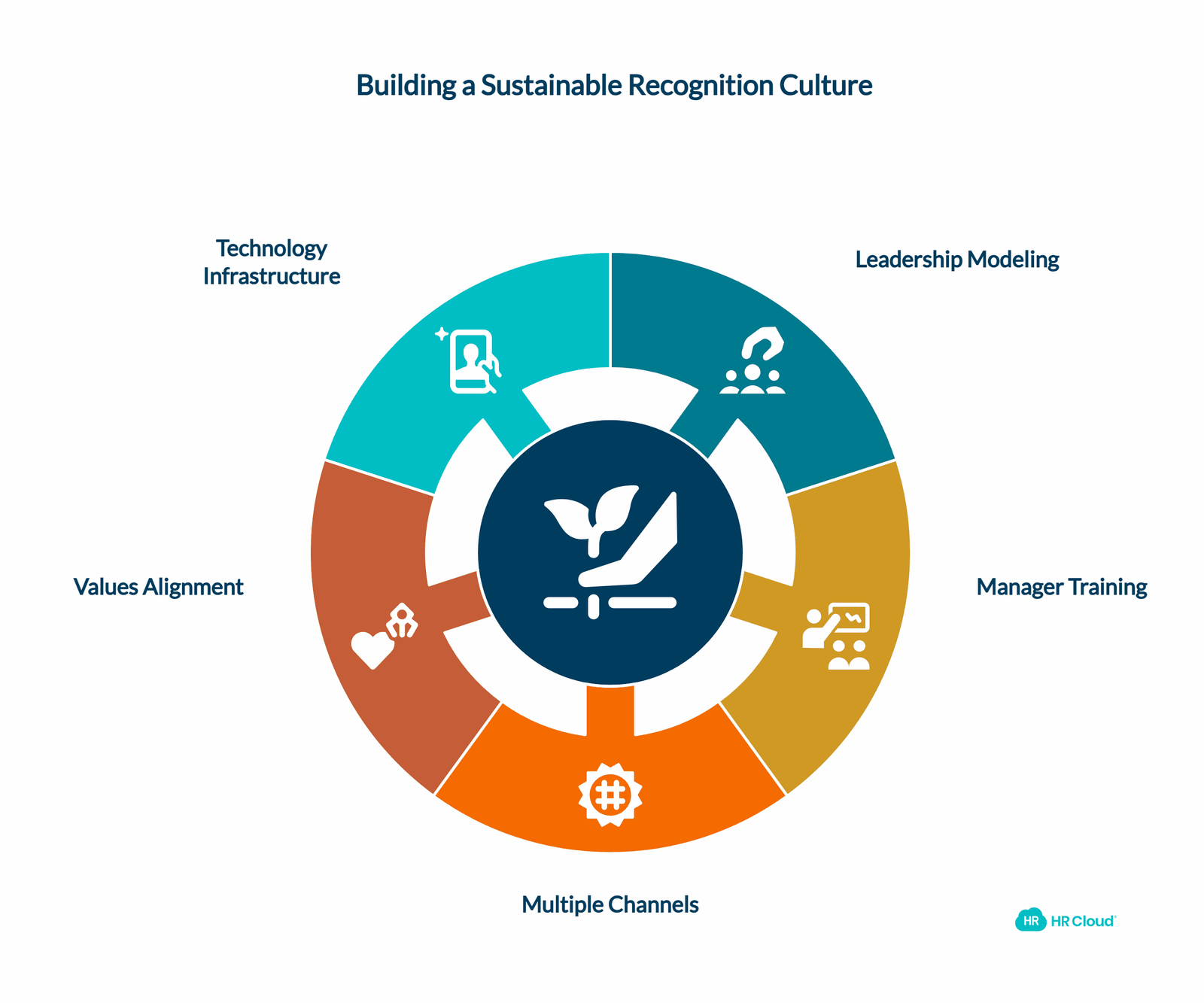
Elements of Sustainable Recognition Culture:
1. Leadership Modeling Executives and managers must consistently demonstrate recognition behaviors:
- Give specific, timely feedback themselves
- Celebrate both individual and team wins publicly
- Share stories of employee impact in leadership communications
- Allocate budget and resources to recognition programs
- Participate in peer recognition activities
- Hold managers accountable for recognition frequency
2. Manager Training & Enablement Many managers struggle with recognition because they were never trained:
- Teach the "why": Share research on recognition impact on engagement, retention, productivity
- Provide the "how": Demonstrate specific recognition techniques and language
- Give the "when": Set expectations for recognition frequency and timing
- Supply the tools: Ensure managers can easily access recognition platforms and resources
- Model effective recognition: Use real examples from your organization
3. Multiple Recognition Channels Don't rely on single recognition method—create variety:
- Digital peer-to-peer recognition platform
- Formal manager-to-employee awards
- Executive recognition programs
- Team celebration events
- Cross-functional recognition
- Customer recognition (when customers praise employees)
- Self-recognition (celebrating personal milestones)
4. Values Alignment Connect recognition directly to company values:
- Create recognition categories matching each core value
- Use custom badges representing values (Innovation, Integrity, Customer Focus, Collaboration)
- Share stories illustrating how employees live values
- Include values recognition in performance reviews
- Track which values receive most/least recognition to identify culture gaps
5. Technology Infrastructure HR Cloud's Workmates platform helps companies scale recognition effortlessly:
- Social recognition feeds where employees give customizable kudos
- Automated milestone celebrations for birthdays, work anniversaries, onboarding completions
- Points-based reward systems where recognition converts to redeemable rewards
- Mobile app access ensuring frontline and deskless workers participate equally
- Integration with HRIS for seamless data flow and automated triggers
- Analytics dashboards tracking recognition frequency, distribution, and engagement correlation
When recognition is visible across the organization, it creates multiplier effect—employees see peers being celebrated and are motivated to recognize others. This creates virtuous cycle of appreciation.
“We highly recommend Workmates as it gives us the ability to communicate and connect our workforce.”

— Andrea Bermudez, Organizational & Talent Development Manager

Recognition Program Best Practices
1. Make Recognition Timely The closer recognition occurs to the achievement, the stronger the impact:
- Give recognition within 24-48 hours when possible
- Don't save recognition for performance reviews
- Use digital platforms for immediate acknowledgment
- Train managers to recognize in the moment
2. Be Specific About Contributions Avoid generic praise; specify exactly what was done well:
- Weak: "Great job this quarter!"
- Strong: "Your innovative approach to the client presentation—especially the interactive demo showing ROI in real-time—directly contributed to closing our largest deal this quarter."
3. Ensure Equitable Distribution Use analytics tools to identify recognition gaps:
- Monitor recognition by department, role, tenure, demographics
- Address disparities where certain groups receive less recognition
- Train managers on unconscious bias in recognition patterns
- Create peer recognition to supplement manager-driven programs
- Set minimum recognition frequency expectations
4. Balance Public and Private Recognition Some employees thrive on public acknowledgment; others prefer private:
- Ask employees their preference during onboarding or one-on-ones
- Capture preferences in HR systems
- Offer both public recognition feeds and private appreciation methods
- Default to public for achievements, private for personal qualities
5. Connect Recognition to Outcomes Help employees understand impact of their work:
- Explain how contribution advanced team/company goals
- Quantify impact when possible (cost savings, revenue generated, time saved)
- Connect individual work to customer success stories
- Show long-term effect of contribution
Measuring Recognition Impact
Track recognition program effectiveness to justify investment and identify improvement opportunities:
Key Metrics to Monitor:
Recognition Activity Metrics:
- Number of recognitions given per month
- % of employees giving recognition
- % of employees receiving recognition
- Average recognitions per employee
- Recognition frequency by department
- Manager vs. peer recognition ratio
Engagement & Retention Metrics:
- Employee engagement survey scores (overall and recognition-specific questions)
- Voluntary turnover rate
- New hire 90-day retention
- Internal promotion rate
- Employee referral rate
Correlation Analysis:
- Engagement scores: recognized vs. non-recognized employees
- Turnover rate: high-recognition vs. low-recognition teams
- Performance ratings: frequent recognition vs. infrequent recognition
- Participation rate: teams with recognition culture vs. those without
Program Participation Metrics:
- Active users on recognition platform
- Rewards redemption rate
- Time from recognition to reward redemption
- Platform satisfaction scores
- Mobile app usage rate
Quarterly Recognition Review: Conduct quarterly analysis with leadership:
- Review recognition distribution across organization
- Identify high-performing recognition teams and understand their practices
- Address low-recognition areas with targeted manager training
- Assess reward redemption patterns and adjust catalog
- Survey employees on recognition program satisfaction
- Share success stories and impact data company-wide
Analytics dashboards in HR Cloud visualize these metrics, making it simple for HR teams to identify patterns, demonstrate ROI, and optimize programs over time.
Common Recognition Mistakes to Avoid
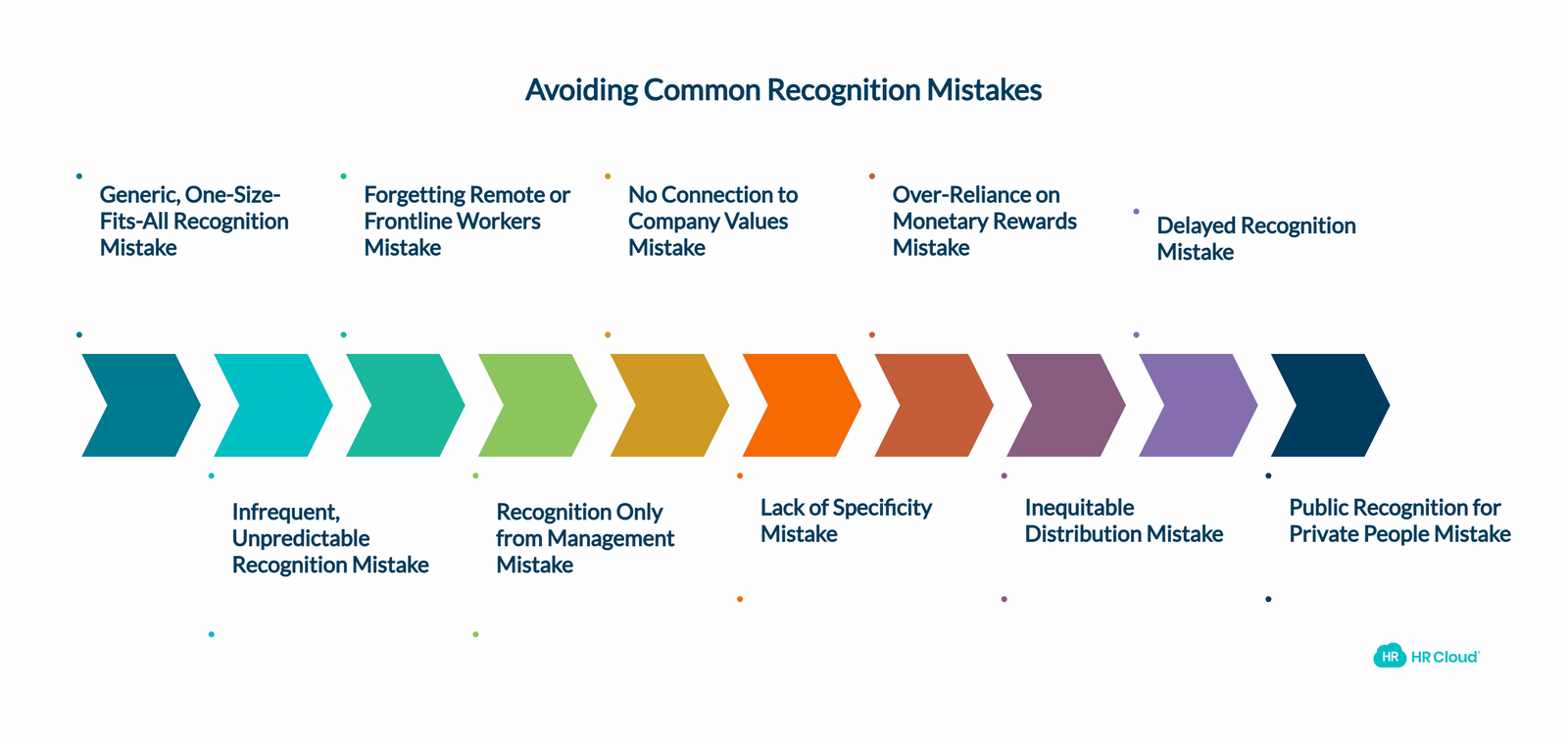
Even well-intentioned recognition programs can fall short if they include these common pitfalls:
1. Generic, One-Size-Fits-All Recognition Mistake: Using same recognition approach for everyone regardless of preferences Solution: Capture individual preferences; offer variety of recognition methods and reward options
2. Infrequent, Unpredictable Recognition Mistake: Only recognizing during annual reviews or when remembering Solution: Establish minimum frequency expectations; use technology for reminders and automation
3. Forgetting Remote or Frontline Workers Mistake: Recognition culture centered on office workers; deskless employees overlooked Solution: Implement mobile-accessible recognition platforms ensuring all employees can participate equally
4. Recognition Only from Management Mistake: Creating hierarchy where only managers can give meaningful recognition Solution: Empower peer-to-peer recognition; celebrate team members acknowledging each other
5. No Connection to Company Values Mistake: Generic awards not reinforcing desired behaviors or culture Solution: Align recognition categories with company values; use custom badges representing cultural pillars
6. Lack of Specificity Mistake: Vague praise like "good work" without explaining what was good Solution: Train managers on giving specific, behavior-focused feedback describing exactly what was done well
7. Over-Reliance on Monetary Rewards Mistake: Every recognition involves cash/gift cards, creating entitlement and reducing intrinsic motivation Solution: Balance tangible rewards with social recognition, growth opportunities, and visibility
8. Inequitable Distribution Mistake: Same employees always recognized; others consistently overlooked Solution: Use analytics to identify gaps; set expectations that all employees should receive recognition
9. Delayed Recognition Mistake: Waiting weeks or months to acknowledge achievements Solution: Enable real-time recognition through digital platforms; train managers to recognize immediately
10. Public Recognition for Private People Mistake: Forcing spotlight on employees who prefer private acknowledgment Solution: Respect individual preferences; offer both public and private recognition options
Conclusion: Transforming Your Recognition Program
Meaningful employee appreciation extends beyond physical gifts—it's about creating a culture where recognition is frequent, authentic, and directly tied to your organization's values. Whether you choose personalized presents, digital kudos, milestone celebrations, or experiential rewards, the goal is making employees feel genuinely valued for their unique contributions.
The most effective recognition programs combine multiple approaches:
High-Frequency, Low-Cost Recognition:
- Daily digital kudos for small wins
- Weekly verbal appreciation and shout-outs
- Peer-to-peer social recognition
Medium-Frequency, Moderate-Cost Recognition:
- Monthly team celebrations
- Quarterly gift cards or small rewards ($50-$150)
- Project completion acknowledgments
Low-Frequency, High-Cost Recognition:
- Annual service milestone awards
- Major achievement bonuses or experiences
- Leadership award ceremonies

Experience how Workmates can transform communication and strengthen culture—all in one powerful platform
Book Your Free DemoFrequently Asked Questions About Employee Appreciation Awards
What is a good employee appreciation gift?
The best employee appreciation gifts are personalized and meaningful. Popular options include gift cards ($25-$100), experiences like concert tickets or spa days, personalized desk accessories, gourmet food baskets, extra paid time off, or digital recognition through kudos platforms. The most effective approach combines the recipient's preferences with public acknowledgment of their specific contributions.
Research shows that experiential rewards often create stronger emotional connections than physical gifts. Additionally, recognition paired with visibility—such as digital kudos on social recognition platforms—reinforces the appreciation and models behavior for others.
How much should you spend on employee appreciation?
Budget for employee appreciation varies by company size and occasion. General guidelines:
- Spot recognition: $10-$25 (frequent, informal acknowledgment)
- Monthly awards: $25-$75 (department or team recognition)
- Quarterly recognition: $75-$150 (performance milestones)
- Annual or milestone awards: $150-$500+ (service anniversaries, major achievements)
Most companies allocate 1-3% of payroll to total recognition programs. However, the key is consistency over cost—frequent, smaller recognitions often drive more engagement than rare expensive gifts.
SHRM research indicates that employees who receive recognition at least once per week have 27% higher retention rates, regardless of the recognition's monetary value. Focus on frequency and authenticity first, then layer in tangible rewards.
How often should employees be recognized?
Best practice is weekly recognition for sustained engagement. Research shows:
- Employees receiving weekly recognition have 27% higher retention rates
- Teams with daily informal recognition see 12x better engagement scores
- Monthly recognition is minimum threshold for maintaining baseline morale
- Annual-only recognition (like performance reviews) has minimal impact on day-to-day motivation
Recommended Recognition Cadence:
- Daily/Weekly: Informal peer recognition, manager shout-outs, quick kudos for daily wins
- Monthly: Team celebrations, spotlight features, small gift cards or rewards
- Quarterly: Formal awards, performance-based recognition, experiential rewards
- Annually: Service milestones, major achievement awards, year-end celebrations
Digital recognition platforms make frequent appreciation scalable. HR Cloud's Workmates enables managers and peers to give real-time kudos from any device, creating consistent recognition without administrative burden.
What are the types of employee recognition awards?
Common recognition award types include:
1. Peer-to-Peer Recognition
- Digital kudos with customizable badges
- Social recognition feeds
- Cross-functional appreciation
2. Manager-to-Employee Awards
- Performance bonuses
- Achievement certificates
- Quarterly/annual awards
3. Milestone Awards
- Service anniversaries (1, 5, 10, 15+ years)
- Project completion celebrations
- Training or certification completions
4. Performance-Based Recognition
- Employee of the Month/Quarter/Year
- President's Club or Chairman's Circle
- Sales achievement awards
- Quality excellence recognition
5. Team Achievement Awards
- Department goal celebrations
- Cross-functional project success
- Safety milestone achievements
6. Values-Based Recognition
- Badges tied to company values (Innovation, Integrity, Collaboration)
- Living our values awards
- Culture champion recognition
7. Customer Recognition
- Customer service excellence
- Client satisfaction awards
- Customer testimonial celebrations
How do digital recognition platforms work?
Digital recognition platforms like HR Cloud's Workmates create social environments where employees give and receive appreciation:
Core Functionality:
Giving Recognition:
1. Employee selects customizable kudos badge aligned with company values
2. Writes specific message describing what colleague did well
3. Posts recognition to social feed visible to team or entire company
4. Recognition appears in recipient's feed and notifications
Social Engagement:
- Colleagues can like, comment, and react to recognition posts
- Creates visibility and reinforces desired behaviors
- Generates social proof: "This is how we celebrate success here"
Points & Rewards:
- Many platforms include points systems where recognition converts to redeemable rewards
- Employees accumulate points and exchange for gift cards, merchandise, or experiences
- Organizations set point values and manage reward catalogs within budget
Automation & Integration:
- Integration with HRIS systems enables automated milestone celebrations
- Birthdays and work anniversaries trigger recognition posts automatically
- Mobile apps ensure frontline and deskless workers can participate equally
- Analytics track recognition frequency, distribution, and correlation with engagement
Manager Dashboards:
- Track which employees are giving/receiving recognition
- Identify recognition gaps across teams
- Monitor participation rates and engagement
- Generate reports for leadership review
Digital platforms make recognition scalable, consistent, and measurable—transforming appreciation from occasional manager-driven events into continuous culture-building activities.
What makes employee recognition effective?
Effective recognition includes these essential elements:
1. Timely: Given within 24-48 hours of achievement, not weeks later
2. Specific: Describes exactly what was done well and its impact
3. Sincere: Genuine appreciation, not obligatory or transactional
4. Values-aligned: Reinforces behaviors and culture you want to see more of
5. Visible (when appropriate): Public recognition creates modeling effect for others
6. Personalized: Considers individual preferences for public vs. private acknowledgment
7. Consistent: Regular and predictable, not rare or random
Recognition tied to tangible outcomes—such as points-based systems where kudos convert to rewards—creates both intrinsic motivation (feeling valued) and extrinsic motivation (earning rewards).
Research from Gallup shows that recognition is most effective when it:
- Comes from multiple sources (managers, peers, executives, customers)
- Includes clear explanation of impact
- Occurs frequently (weekly or more)
- Connects to career development opportunities
- Is supported by organizational systems and technology
Keep Reading


Like What You Hear?
We’d love to chat with you more about how HR Cloud® can support your business’s HR needs.
Book Your Free Demo