
Guide to Employee Rewards and Recognition Budget

The Business Case for Recognition Investment
What percentage of payroll should you allocate to employee recognition? Industry research from SHRM recommends at least 1% of total payroll for effective recognition programs, though high-performing organizations often invest 2-3% to maximize engagement and retention outcomes.
The modern workforce demands more than competitive salaries—they need consistent appreciation that reinforces their value to the organization. While 88% of employees believe companies should reward contributions effectively, only 41% feel their employers deliver meaningful recognition. This expectation gap directly impacts your bottom line: organizations with strong recognition programs experience 31% lower voluntary turnover and 21% higher profitability according to Gallup research.
Recognition investment isn't an expense—it's a strategic business driver. HR Cloud's Workmates platform helps organizations bridge this gap through integrated peer-to-peer recognition, customizable rewards catalogs with 100+ gift card options, and powerful analytics that prove ROI. Before diving into budget allocation strategies, understanding how to structure your recognition investment for maximum impact is essential.
Start with Your Existing Employee Recognition Budget
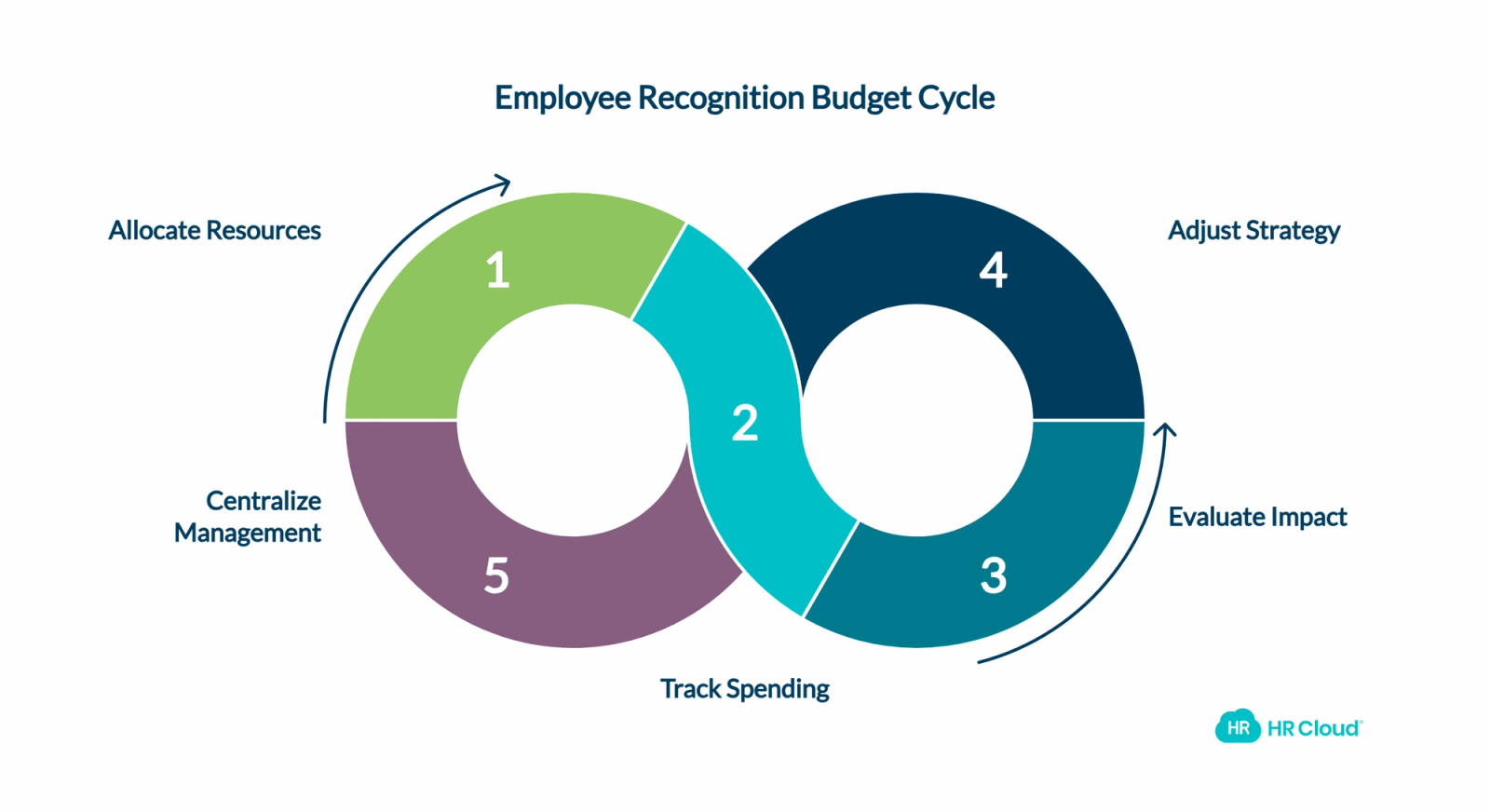
Even companies without formal recognition programs already allocate resources to employee appreciation. The challenge is that these efforts often lack strategy, accountability, or measurement—making the process inefficient and the outcomes unpredictable.
Common untracked recognition spending includes employee celebration activities, team lunches, thank you cards, anniversary gifts, and spot bonuses. Without a centralized system, companies frequently overspend on low-impact gestures while missing opportunities for meaningful recognition that drives engagement.
The SHRM Benchmark: Greater Than 1% of Payroll
Recent research from SHRM establishes that recognition programs rated "excellent" by HR professionals share a common characteristic: budget allocation of at least 1% of total payroll. Organizations spending less than this threshold are five times more likely to rate their programs as poor compared to those investing 1% or more.
While 1% serves as the baseline, context matters. High-growth companies, organizations in competitive talent markets, and businesses where recognition aligns with core values often invest 2-10% of payroll. The key consideration is ROI—recognition programs are cost-effective tools to boost employee morale and prevent the substantial costs associated with disengagement and attrition.
Consider the mathematics: For a 500-employee organization with average salaries of $60,000 (total payroll: $30M), a 1% recognition investment equals $300,000 annually, or $600 per employee. Compare this to the cost of replacing a single employee—typically 50-200% of their annual salary—and the value proposition becomes clear.
Workmates by HR Cloud centralizes recognition spending into one transparent platform, providing the visibility and control that spreadsheet-based approaches cannot deliver.
Consider the Business Impact of Your Recognition Program
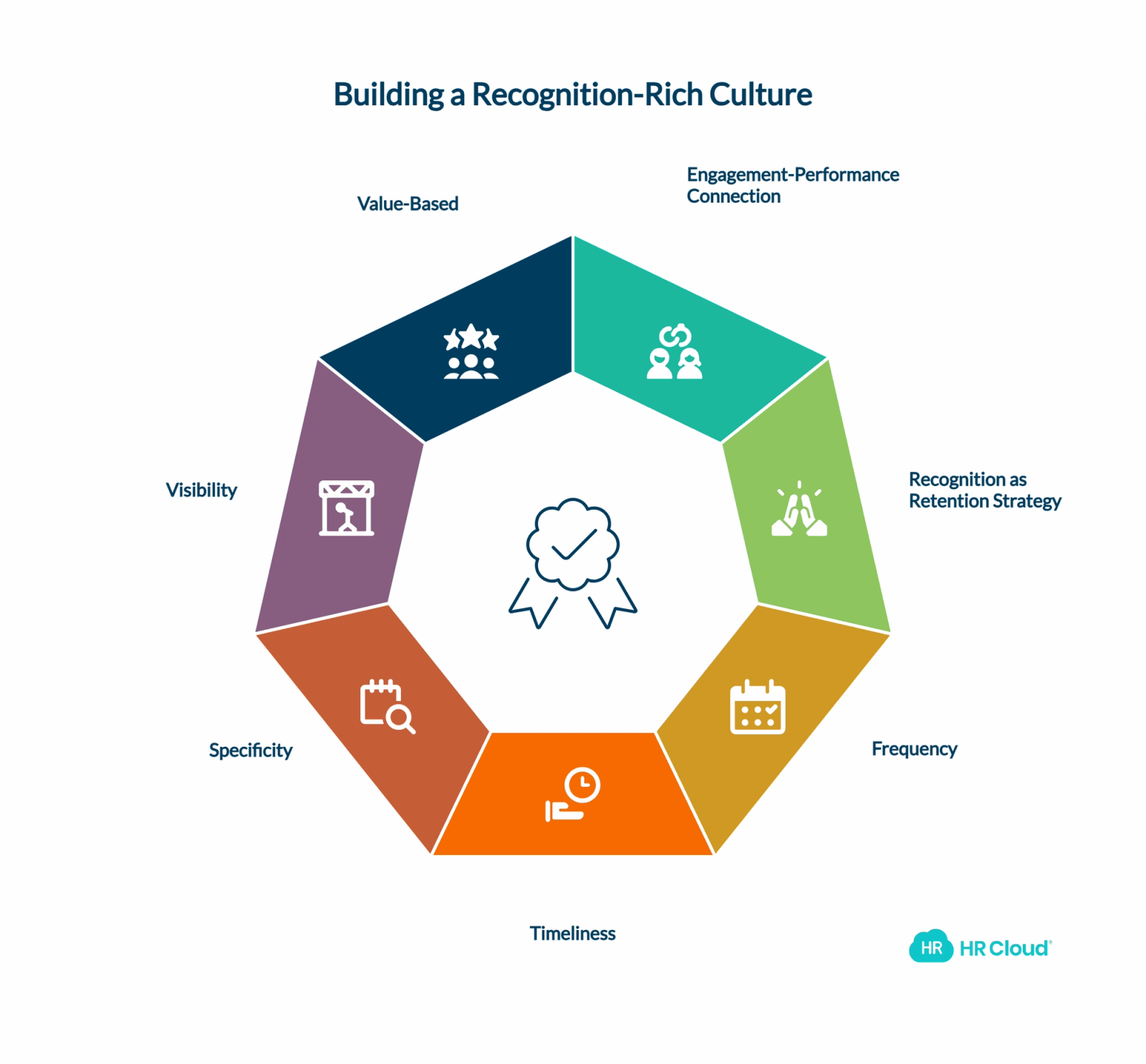
If you're establishing a recognition program, you're doing so with specific business objectives in mind. Effective recognition drives measurable organizational outcomes that directly impact your bottom line.
The Engagement-Performance Connection
Research from Gallup demonstrates that companies with highly engaged employees are 21% more profitable than their peers. The same research shows engaged teams demonstrate 17% higher productivity. Recognition plays a central role in creating this engagement—employees who feel valued consistently outperform those who don't.
Consider these compelling statistics:
- 69% of employees report they would work harder if they felt better appreciated by their employers
- Organizations with recognition programs report 14% higher productivity and performance compared to those without
- Studies indicate that recognition makes 90% of employees feel their work makes a difference
These aren't isolated data points—they represent a consistent pattern across industries and organization sizes. When employees receive timely, specific recognition tied to company values, they understand how their contributions matter and feel motivated to sustain high performance.
Recognition as a Retention Strategy
Turnover costs devastate organizational budgets. Recruitment, onboarding, lost productivity, and knowledge transfer expenses quickly accumulate. Recognition programs offer a high-ROI retention strategy that keeps your best performers engaged.
Companies with strong reward and recognition programs experience 31% lower voluntary turnover rates according to SHRM research. For a 500-employee organization with an average salary of $60,000, reducing turnover by 31% can save approximately $558,000 annually in recruitment and training costs alone—significantly more than the recognition program investment itself.
HR Cloud's People HRIS integrates recognition data with retention analytics, helping HR leaders identify at-risk employees and intervene proactively through targeted appreciation.

Making Recognition Frequent, Timely, and Meaningful
Effective recognition programs share common characteristics that maximize impact:
Frequency: Recognition should happen continuously, not just during annual reviews. Weekly or even daily appreciation through peer recognition, manager feedback, and social channels creates a recognition-rich culture.
Timeliness: The closer recognition comes to the achievement, the more powerful its impact. Immediate or near-immediate acknowledgment reinforces the specific behaviors you want repeated.
Specificity: Generic "good job" messages lack impact. Effective recognition clearly identifies what the employee did, why it mattered, and how it aligns with company values.
Visibility: Public recognition amplifies impact. When achievements are celebrated company-wide through platforms like Workmates, it creates positive reinforcement loops and models desired behaviors for others.
Value-Based: Recognition tied to organizational values reinforces culture and helps employees understand what success looks like in your organization.
Platforms like Workmates by HR Cloud are specifically designed to deliver on all five dimensions, making consistent, meaningful recognition achievable at scale.
Types of Rewards and Recognition Programs
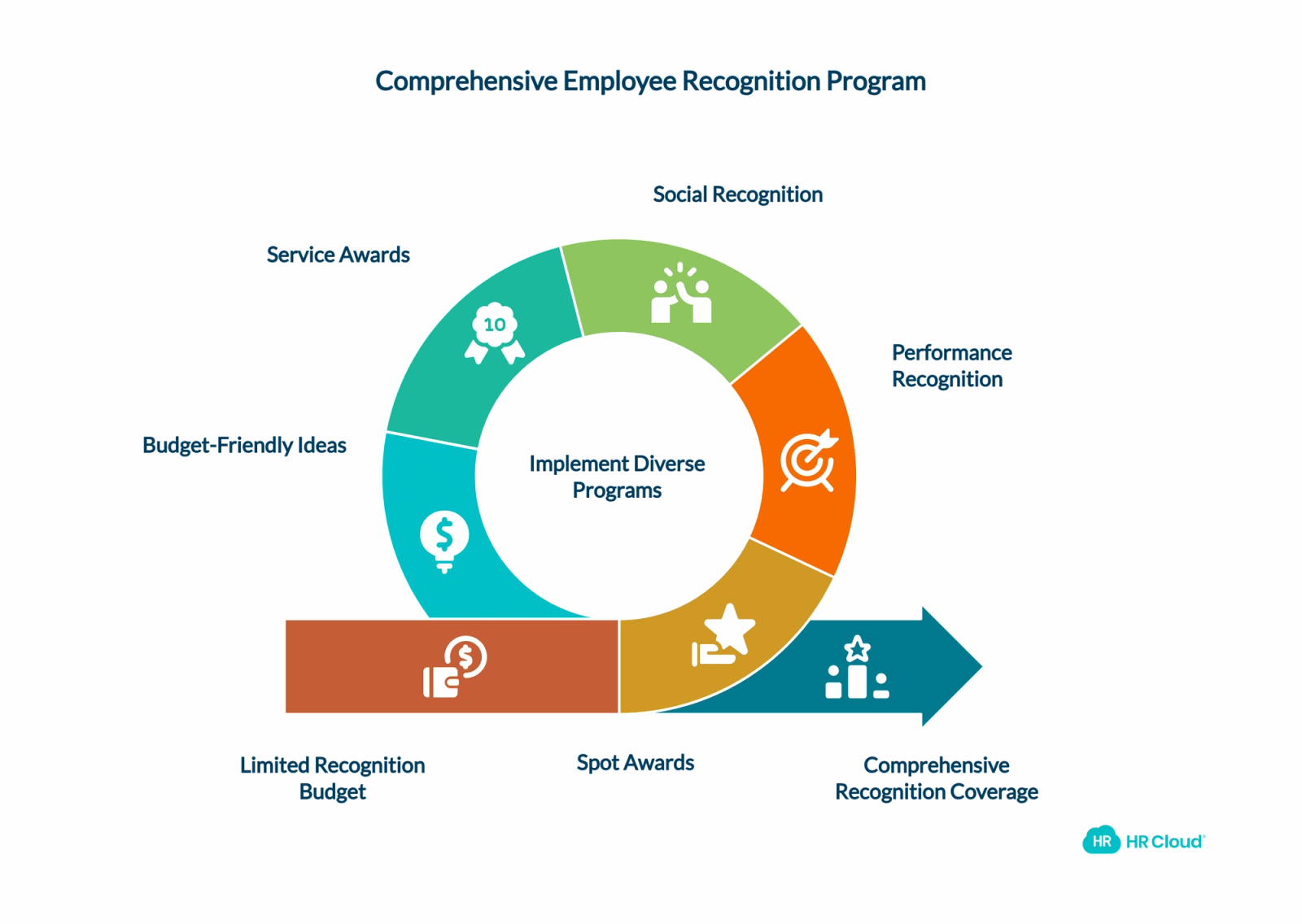
Whether you've allocated recognition budget based on a percentage of payroll or set a flat amount, understanding how to distribute those resources across different program types ensures comprehensive coverage that resonates with your entire workforce.
Spot Awards
Spot awards provide immediate recognition for exceptional work on specific tasks or projects. These frequent, smaller-value rewards ($25-$100) create ongoing appreciation moments that keep employees engaged.
Best for: Recognizing everyday excellence, reinforcing desired behaviors, and creating a culture where appreciation is continuous rather than reserved for major milestones.
Budget allocation: 30-40% of total recognition budget due to high frequency.
Implementation: Workmates' peer-to-peer kudos system makes spot recognition effortless, allowing managers and colleagues to recognize contributions in real-time through Slack, Microsoft Teams, or the mobile app.
Performance Recognition
Performance recognition rewards employees for achieving specific targets or goals. Common applications include sales incentives, safety milestones, project completion bonuses, and productivity achievements.
Best for: Driving results-oriented behaviors, motivating teams toward shared objectives, and creating clear connections between effort and reward.
Budget allocation: 25-35% of total recognition budget.
Implementation: HR Cloud's Perform platform integrates goal tracking with recognition, automatically triggering rewards when employees hit predefined milestones.
Social Recognition
Social recognition leverages the power of public appreciation and peer validation. Employees earn points for achievements that can be redeemed from a rewards catalog, while their accomplishments are visible to the entire organization.
Best for: Building company culture, increasing recognition frequency, and empowering peers to appreciate each other without manager gatekeeping.
Budget allocation: 20-30% of total recognition budget.
Implementation: Workmates' social recognition feed displays achievements across the organization, while the integrated rewards catalog with 100+ gift card options gives employees choice in how they redeem points.
Service Awards Program
Service awards celebrate employee tenure milestones—1 year, 5 years, 10 years, and beyond. These traditional recognition moments acknowledge loyalty and long-term contribution.
Best for: Improving retention, honoring commitment, and creating aspirational moments that new employees work toward.
Budget allocation: 15-20% of total recognition budget (concentrated spending at intervals).
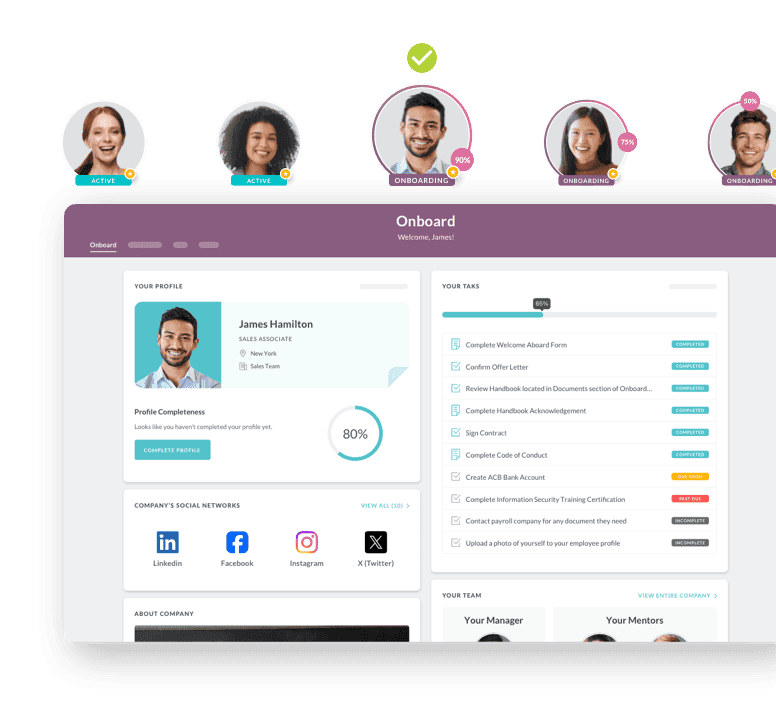
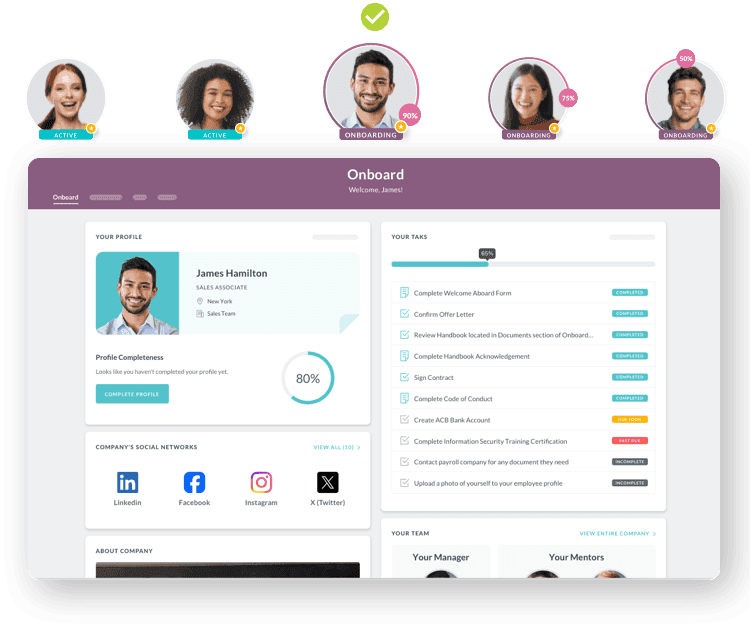
Implementation: HR Cloud's Onboard platform tracks employee anniversaries and automates milestone recognition, ensuring no significant date goes unacknowledged.
Additional Recognition Ideas on a Budget
To diversify your recognition approach and stretch your budget further, consider these high-impact, low-cost strategies:
Perks and Benefits: Non-monetary benefits often create stronger emotional connections than cash. Gift cards to favorite brands, eCommerce platforms, restaurants, or fitness centers provide personalized appreciation. Digital rewards eliminate shipping costs and administrative overhead.
Anniversary and Festival Incentives: Celebrate work anniversaries with meaningful gifts that demonstrate appreciation for tenure. Personal milestones like birthdays, life events, and cultural festivals add thoughtful, personal touches that show you see employees as whole people, not just workers.
Social Media Appreciation: Public recognition on LinkedIn, company social channels, or internal platforms amplifies impact. When employees' friends and family can see their achievements celebrated, it boosts pride and strengthens their connection to your organization.
Peer-to-Peer Recognition: Colleague appreciation often carries more weight than manager recognition. 77% of employees value opportunities to recognize peers, and peer-driven programs cost significantly less while creating stronger team bonds.
Employee Referral Programs: Recognize employees who refer successful hires with bonuses or rewards. This dual-purpose investment improves your talent pipeline while appreciating current employees.
Important Considerations for Your Recognition Budget
Streamline Recognition on a Single Platform
Whether you employ 50 or 5,000 people, managing recognition programs across spreadsheets, emails, and disconnected systems creates administrative burden and reduces program effectiveness.
Technology platforms centralize recognition management, providing visibility, automation, and analytics that manual processes cannot deliver. Workmates by HR Cloud unifies peer recognition, manager appreciation, milestone celebrations, and rewards redemption in one intuitive platform accessible via web, mobile, Slack, and Microsoft Teams.
Benefits of platform-based recognition include:
- Automated workflows: Trigger recognition for birthdays, anniversaries, and goal achievements without manual tracking
- Budget visibility: Real-time dashboards show spending by department, program type, and individual
- Participation analytics: Identify which teams embrace recognition and which need encouragement
- Integration capabilities: Connect with your existing HRIS, payroll systems, and communication tools
- Mobile accessibility: Enable frontline and remote workers to give and receive recognition anywhere
Tailor Your Approach for High Impact
Recognition isn't one-size-fits-all. The most effective programs align with organizational priorities and adapt to workforce demographics.
For frontline workers: Mobile-first recognition ensures deskless employees can participate fully. Push notifications, quick redemption options, and simple interfaces accommodate workers who lack desk access.
For remote teams: Virtual recognition becomes essential when employees never share physical space. Video shoutouts, digital rewards, and online celebration events maintain connection across distances.
For sales teams: Performance-based recognition with clear metrics and competitive leaderboards motivates results while celebrating top performers.
For corporate employees: Mix monetary and experiential rewards—additional PTO, flexible work arrangements, professional development opportunities, and public acknowledgment in team meetings.
Customize your recognition mix based on what your specific workforce values. Survey employees regularly to understand which reward types resonate most with different demographic segments.
Watch Out for Hidden Costs
Budget surprises derail recognition programs. When planning your investment, account for these commonly overlooked expenses:
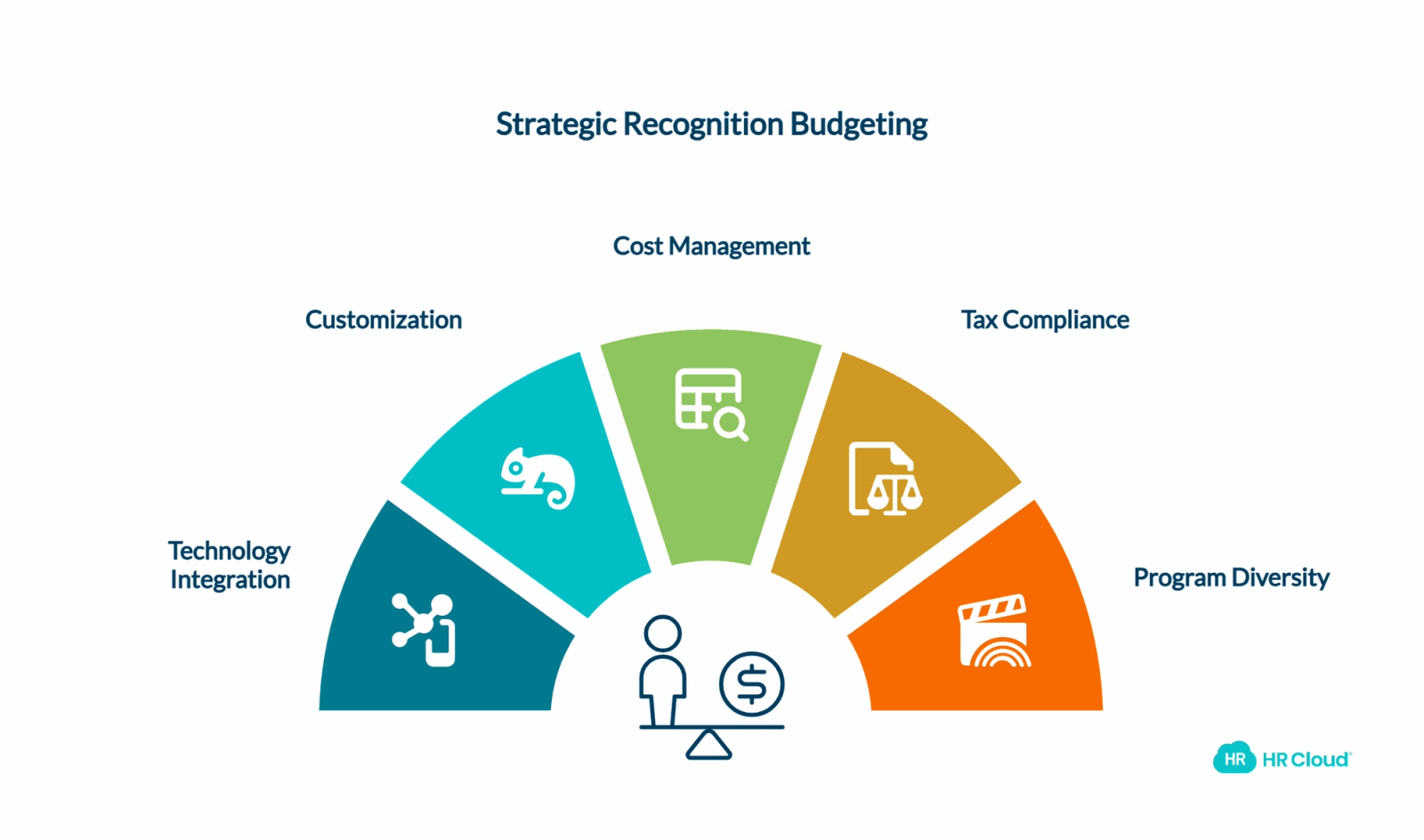
Technology fees: Platform subscription costs, setup charges, and per-employee pricing. Workmates offers transparent pricing with no hidden fees.
Shipping and handling: Physical rewards incur fulfillment costs. Digital gift cards eliminate this expense entirely while providing instant gratification.
Tax implications: Reward programs may create taxable income for employees and payroll tax obligations for employers. Consult your tax advisor early in the planning process.
Administrative time: Manual programs consume HR hours that could be better spent on strategic initiatives. Calculate the opportunity cost of spreadsheet management, manual approvals, and reward fulfillment.
Reward markup: Some vendors add significant margins to gift card and merchandise values. Verify your actual cost per reward dollar delivered.
Keep Taxes in Mind
Recognition tax implications vary based on program structure, reward type, and total value. To avoid compliance issues and unexpected costs:
Cash awards: Generally considered taxable income subject to payroll taxes.
Gift cards: Typically treated as cash equivalents for tax purposes.
Non-cash awards: Some tangible property awards may qualify for exemptions under IRS guidelines, but rules are complex.
Service awards: Length-of-service awards may qualify for tax advantages if they meet specific criteria regarding value and frequency.
Partner with your tax advisor from the beginning of program design. HR Cloud's platform maintains detailed records of all recognition activities, simplifying tax reporting and compliance documentation.
Spread Your Budget Across Multiple Program Types
The most engaging recognition strategies leverage variety. Rather than investing your entire budget in one program type, distribute resources across:
- Daily recognition (30%): Peer kudos, manager shoutouts, social recognition
- Quarterly recognition (25%): Performance bonuses, team celebrations, spot awards
- Annual recognition (20%): Service milestones, major achievement awards
- Program diversity (25%): Wellness initiatives, professional development, referral bonuses, social events
This balanced approach ensures recognition touches employees at multiple frequencies and through multiple channels, creating consistent appreciation throughout the year rather than concentrated moments that fade quickly.
Workmates' analytics dashboard tracks recognition distribution across programs, teams, and individuals—helping you identify gaps and optimize allocation for maximum engagement impact.
Implementation Best Practices
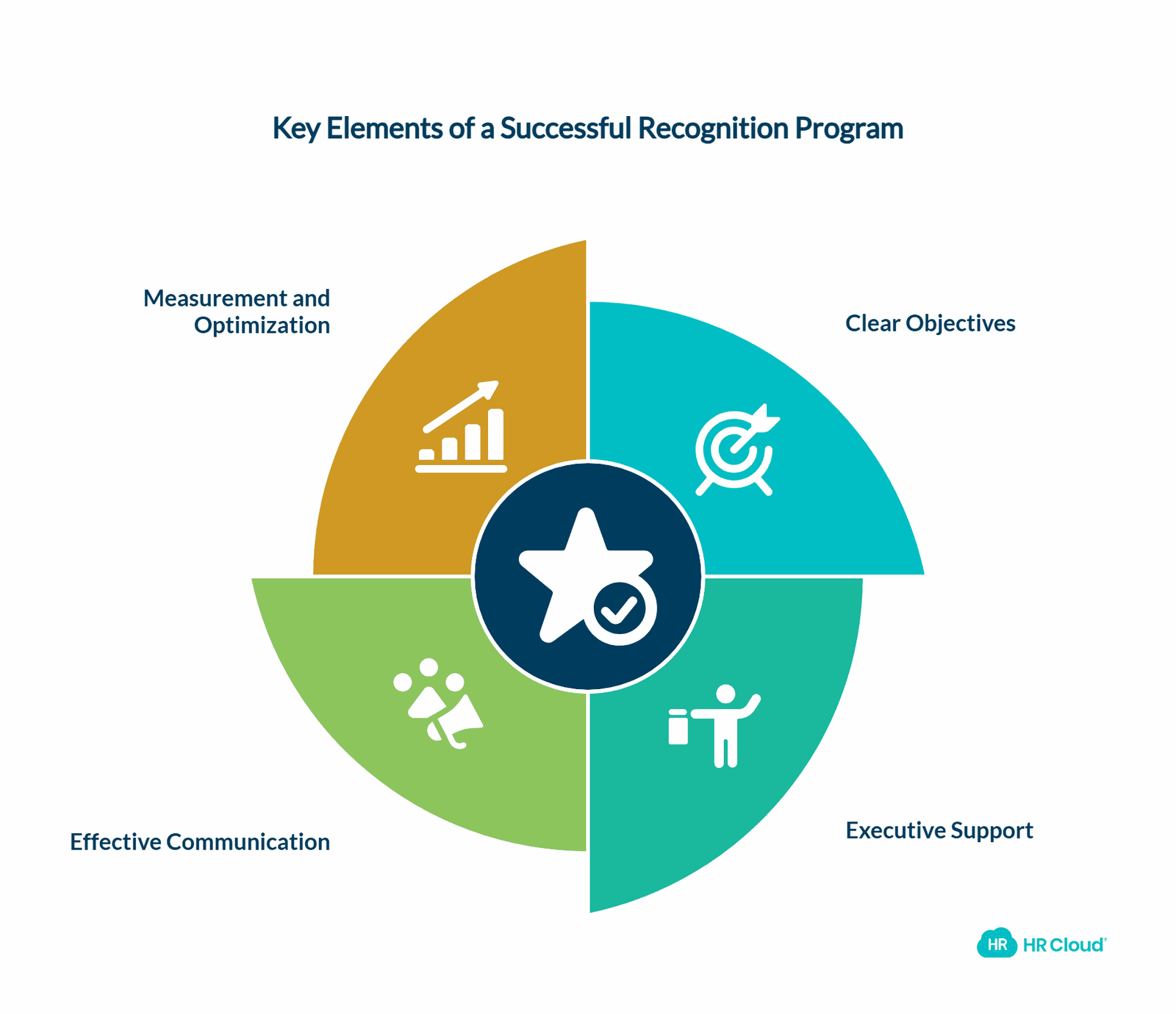
Start with Clear Objectives
Define what you want your recognition program to achieve:
- Reduce turnover by X%
- Increase engagement scores by X points
- Reinforce specific company values
- Improve customer satisfaction through better employee experience
- Strengthen culture during rapid growth or organizational change
Clear objectives guide every subsequent decision—from budget allocation to platform selection to communication strategies.
Secure Executive Support
Recognition programs succeed when leadership champions them. Present the business case to executives using ROI data, turnover cost analysis, and competitive benchmarking. Demonstrate how recognition investment aligns with strategic priorities.
Request executive participation in the program—when C-level leaders publicly recognize employees, it signals that appreciation is a core value, not an HR checkbox.
Communicate Effectively
Before launch, clearly explain:
- What the program is and why it matters
- Who can participate (everyone should)
- What behaviors and achievements get recognized
- How to give and receive recognition
- What rewards are available and how to redeem them
Ongoing communication maintains momentum. Share recognition stories in company meetings, newsletters, and internal channels. Celebrate program milestones (e.g., "Our team has given 10,000 kudos this year!").
“We highly recommend Workmates as it gives us the ability to communicate and connect our workforce.”

— Andrea Bermudez, Organizational & Talent Development Manager

Measure and Optimize
Track program metrics that connect to business outcomes:
- Recognition frequency and distribution across teams
- Participation rates (% of employees giving and receiving recognition)
- Reward redemption patterns
- Engagement survey scores
- Voluntary turnover rates
- Time-to-productivity for new hires
Use data to identify what's working and what needs adjustment. If certain teams rarely participate, investigate barriers. If specific rewards go unredeemed, refresh your catalog.
HR Cloud's integrated analytics automatically track these metrics, providing actionable insights that inform program optimization.
Conclusion: The ROI of Recognition Investment
Rewards and recognition are integral to modern talent strategy. The question isn't whether to invest in recognition—it's how to structure that investment for maximum impact.
The baseline answer remains consistent: allocate at least 1% of payroll to recognition programs. Organizations that meet this threshold consistently report better business outcomes, higher engagement, and stronger retention than those that invest less.
However, context determines optimal investment levels. Companies in competitive talent markets, high-growth organizations, and businesses where culture is a strategic differentiator often push recognition spending to 2-3% or higher—and see commensurate returns through reduced turnover, increased productivity, and stronger employer brand.
The most successful recognition strategies share common elements:
- Platform-based management that scales efficiently
- Variety in recognition types and reward options
- Frequent appreciation moments, not just annual events
- Strong connection to company values and business objectives
- Executive sponsorship and visible leadership participation
- Continuous measurement and optimization
Workmates by HR Cloud delivers all these elements in one comprehensive platform—helping organizations of all sizes build recognition programs that employees love and that deliver measurable business results.
When you invest in recognition, you're not spending money—you're preventing turnover costs, improving productivity, and building the culture that attracts and retains top talent. The ROI is clear: recognition isn't an expense, it's a strategic advantage.
Ready to build a recognition program that drives real business impact? Book a demo with HR Cloud to see how Workmates can transform appreciation into your competitive advantage.

Experience how Workmates can transform communication and strengthen culture—all in one powerful platform
Book Your Free DemoFAQs
1. How much should you budget for employee recognition?
Allocate at least 1% of total payroll for employee recognition programs, according to SHRM research. Organizations spending 1% or more are three times more likely to rate their programs as excellent. High-performing companies often invest 2-3% for maximum ROI.
2. What is the ROI of employee recognition programs?
Companies with strong recognition programs experience 31% lower voluntary turnover and 21% higher profitability. For a 500-employee company, this translates to approximately $558,000 in annual savings from reduced recruitment and training costs alone.
3. How much should you spend per employee on recognition?
Industry benchmarks recommend $200-$350 per employee annually for comprehensive recognition programs. This includes spot awards, performance recognition, social recognition, and service milestones. The minimum effective investment is approximately $100-$150 per employee.
4. What percentage of HR budget goes to recognition?
Recognition programs typically consume 0.25% to 3% of the total HR budget, depending on company priorities. Organizations prioritizing culture and retention allocate toward the higher end of this range for greater impact.
5. Are employee recognition rewards taxable?
Yes, most recognition rewards are taxable. Cash awards and gift cards are typically considered taxable income subject to payroll taxes. Some non-cash service awards may qualify for tax exemptions if they meet specific IRS criteria regarding value and frequency.
6. What types of recognition programs should be included in a budget?
A balanced budget includes: Spot awards (30-40%), performance recognition (25-35%), social recognition (20-30%), and service awards (15-20%). This mix ensures continuous appreciation at multiple frequencies throughout the year.
7. Do recognition programs improve employee retention?
Yes. Organizations with recognition programs have 31% lower voluntary turnover than those without. Employees who feel recognized are 45% less likely to leave within two years, significantly reducing recruitment costs.
8. What are hidden costs in recognition programs?
Hidden costs include: platform subscription fees, shipping charges for physical rewards, tax implications on employee rewards, administrative time for manual programs, and reward markup from vendors. Digital platforms eliminate many of these expenses.
9. How often should employees be recognized?
Recognition should be frequent and timely—ideally weekly or daily through peer recognition and manager feedback. Combine frequent micro-recognition with periodic tangible rewards (monthly/quarterly) and annual milestone celebrations for sustained engagement.
10. What's better: monetary or non-monetary recognition?
Both are essential. 69% of employees say they'd work harder if better appreciated, regardless of reward type. Effective programs combine monetary rewards (bonuses, gift cards) with non-monetary recognition (public acknowledgment, development opportunities, flexible work arrangements) to appeal to diverse preferences.
About the author

Keep Reading


Like What You Hear?
We’d love to chat with you more about how HR Cloud® can support your business’s HR needs.
Book Your Free Demo