
How to Reward Employee Performance Without Money

Implementing effective rewards and recognition for employee performance is essential for maintaining a motivated and engaged workforce in today's competitive business environment. While financial incentives like raises and bonuses certainly matter, they're not always feasible for every organization—and research shows they're not always the most effective approach either.
According to 2024 Gallup-Workhuman research, employees who receive high-quality recognition are 45% less likely to leave their jobs within two years. More remarkably, this research tracked over 3,400 employees and found that meaningful recognition outperformed monetary incentives in driving long-term employee retention and engagement.
This comprehensive guide explores proven non-monetary employee rewards that create lasting impact. You'll discover employee recognition ideas and strategies that boost morale, practical approaches to career development, and how modern employee engagement platforms make appreciation effortless and measurable.
Key Takeaways
- Employees who receive high-quality recognition are 45% less likely to leave within two years, according to 2024 Gallup-Workhuman research tracking over 3,400 employees.
- Non-monetary recognition addresses fundamental human needs for belonging, purpose, and acknowledgment — needs that financial rewards alone cannot meet.
- Companies with effective recognition initiatives experience 31% lower voluntary turnover compared to organizations without structured appreciation programs (SHRM).
- Only 36% of employees report their company has a recognition system in place — making this a major competitive advantage for organizations that act.
- The 12 most impactful non-monetary rewards range from personalized acknowledgment and coaching to flexible work arrangements, milestone celebrations, and peer-to-peer recognition.
- Recognition technology like Workmates makes appreciation easy, visible, measurable, and scalable — reaching frontline and remote workers equally.
- Sustainable recognition culture requires leadership modeling, equitable distribution, regular frequency (weekly is optimal), and manager training — not just a platform.
Why Non-Monetary Recognition Outperforms Cash Rewards
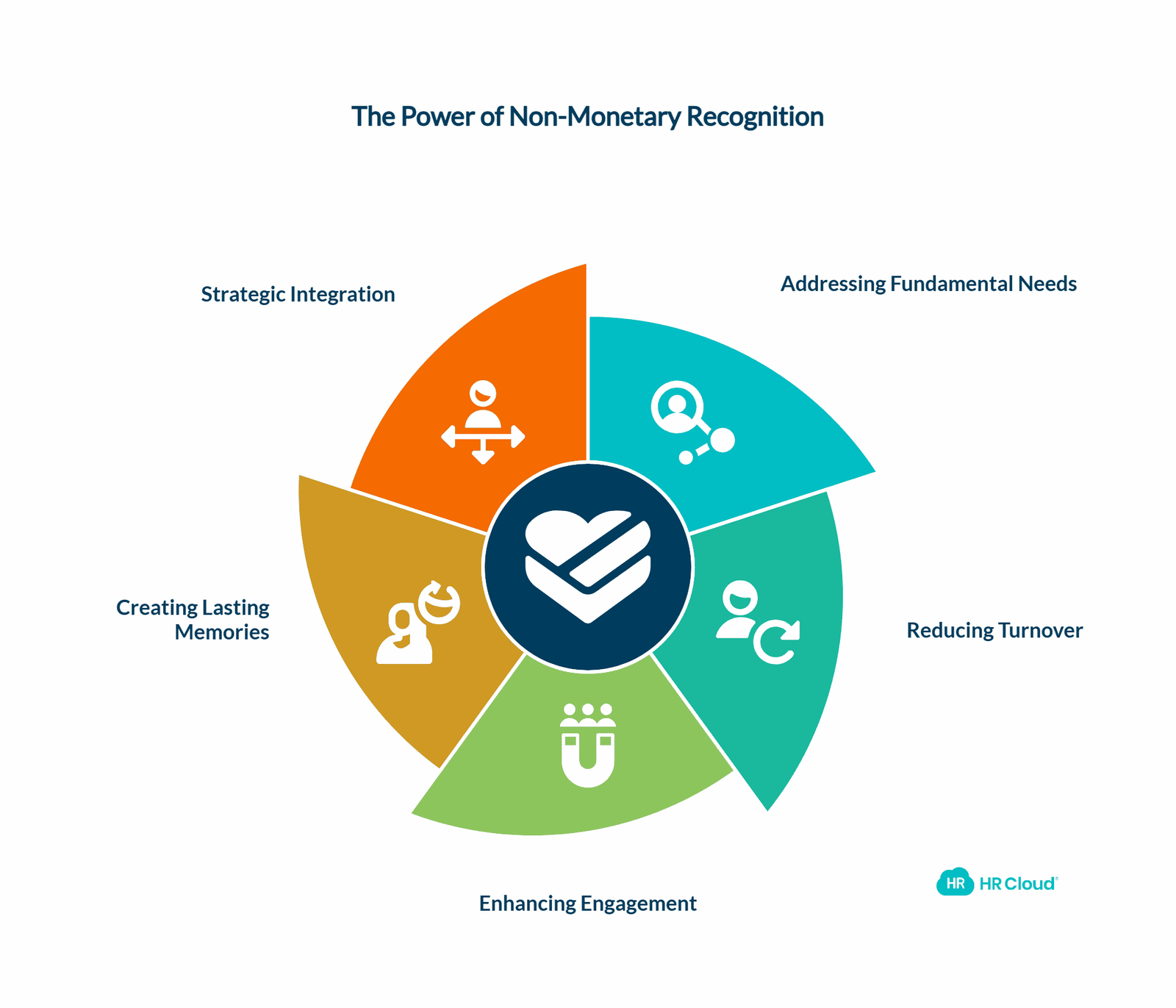
The limitations of financial incentives have become increasingly clear through workplace research. While bonuses and raises provide short-term satisfaction, their motivational effects diminish quickly—often within weeks. Employees adjust to new compensation levels, and what once felt rewarding becomes expected.
Non-monetary recognition works differently. It addresses fundamental human needs for belonging, purpose, and acknowledgment that financial rewards simply cannot satisfy. Research from SHRM demonstrates that companies with effective recognition initiatives experience 31% lower voluntary turnover compared to organizations without structured appreciation programs.
Consider the psychology behind effective recognition. When managers take time for personalized acknowledgment, they signal that employees matter beyond their economic output. This emotional connection drives employee motivation in ways that transactional rewards cannot replicate. Employees remember meaningful recognition experiences for years, while cash bonuses fade from memory within months.
Modern recognition platforms like Workmates bridge the gap between monetary and non-monetary rewards by combining both approaches strategically. The platform enables peer-to-peer kudos, customizable reward catalogs, and recognition tied directly to company values—creating appreciation that feels personal, authentic, and aligned with organizational culture.
The Strategic Value of Employee Recognition
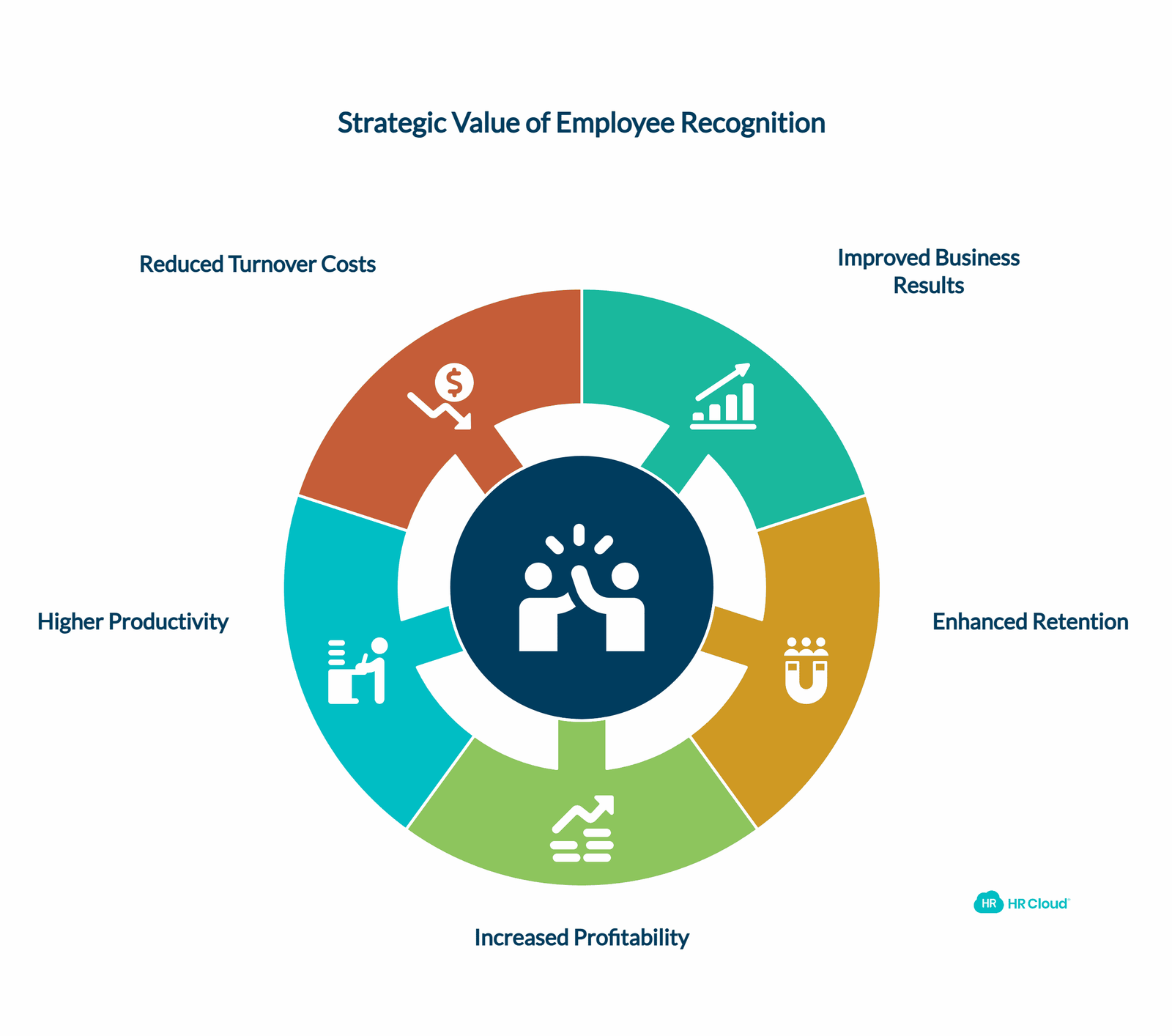
Employee recognition isn't simply about making people feel good—it's a strategic business lever that drives measurable outcomes. Organizations that implement structured employee engagement programs see improvements across multiple performance indicators that directly impact profitability.
According to Workhuman's 2024 research, 90% of HR professionals report that effective recognition programs improve business results, while 91% agree they positively affect employee retention. These aren't marginal gains—Gallup research shows that organizations with high employee engagement are 23% more profitable and experience 18% higher workplace performance.
The financial case for recognition extends beyond engagement metrics. An organization of 10,000 employees can save over $16 million annually in turnover costs alone by making recognition central to their culture. When you factor in productivity gains, reduced absenteeism, and improved customer satisfaction, the ROI becomes even more compelling.
Yet despite this evidence, most organizations underinvest in recognition. Only 36% of employees report their company has a recognition system in place, according to Gallup research. This gap represents both a challenge and an opportunity—companies that prioritize a strategic recognition strategy gain significant competitive advantages in attracting and retaining top talent.
12 Powerful Non-Monetary Employee Rewards
| # | Non-Monetary Reward | Core Benefit | HR Cloud Product |
|---|---|---|---|
| 1 | Personalized Recognition & Acknowledgment | Reinforces valued behaviors; boosts belonging | Workmates |
| 2 | One-on-One Coaching & Development Sessions | Drives engagement; builds loyalty through growth investment | Perform |
| 3 | Public Recognition & Appreciation | Social validation; models appreciated behaviors org-wide | Workmates |
| 4 | Milestone Celebrations & Service Recognition | Strengthens tenure loyalty; demonstrates long-term respect | Onboard |
| 5 | Career Growth & Skill Development Opportunities | 94% of employees stay longer at companies that invest in development | Workmates / Perform |
| 6 | Job Enrichment & Expanded Responsibilities | Satisfies autonomy and competence needs; develops future leaders | Perform |
| 7 | Flexible Work Arrangements & Autonomy | Higher wellbeing and engagement; no added cost | Workmates |
| 8 | Additional Paid Time Off & Wellness Days | Prevents burnout; links recovery to performance | Time Off |
| 9 | Creating Positive & Inspiring Work Environments | Workplace culture is the #1 factor in employee satisfaction (SHRM) | Workmates |
| 10 | Small Gestures of Appreciation | Builds relationships through thoughtfulness; deepens manager-employee trust | Workmates |
| 11 | Team-Building Activities & Social Connection | Employees with a best friend at work are 7x more likely to be engaged (Gallup) | Workmates |
| 12 | Customized Recognition Based on Individual Preferences | Multiplies recognition effectiveness; only 10% of employees are currently asked their preferences | Workmates |
How Recognition Technology Amplifies Non-Monetary Rewards
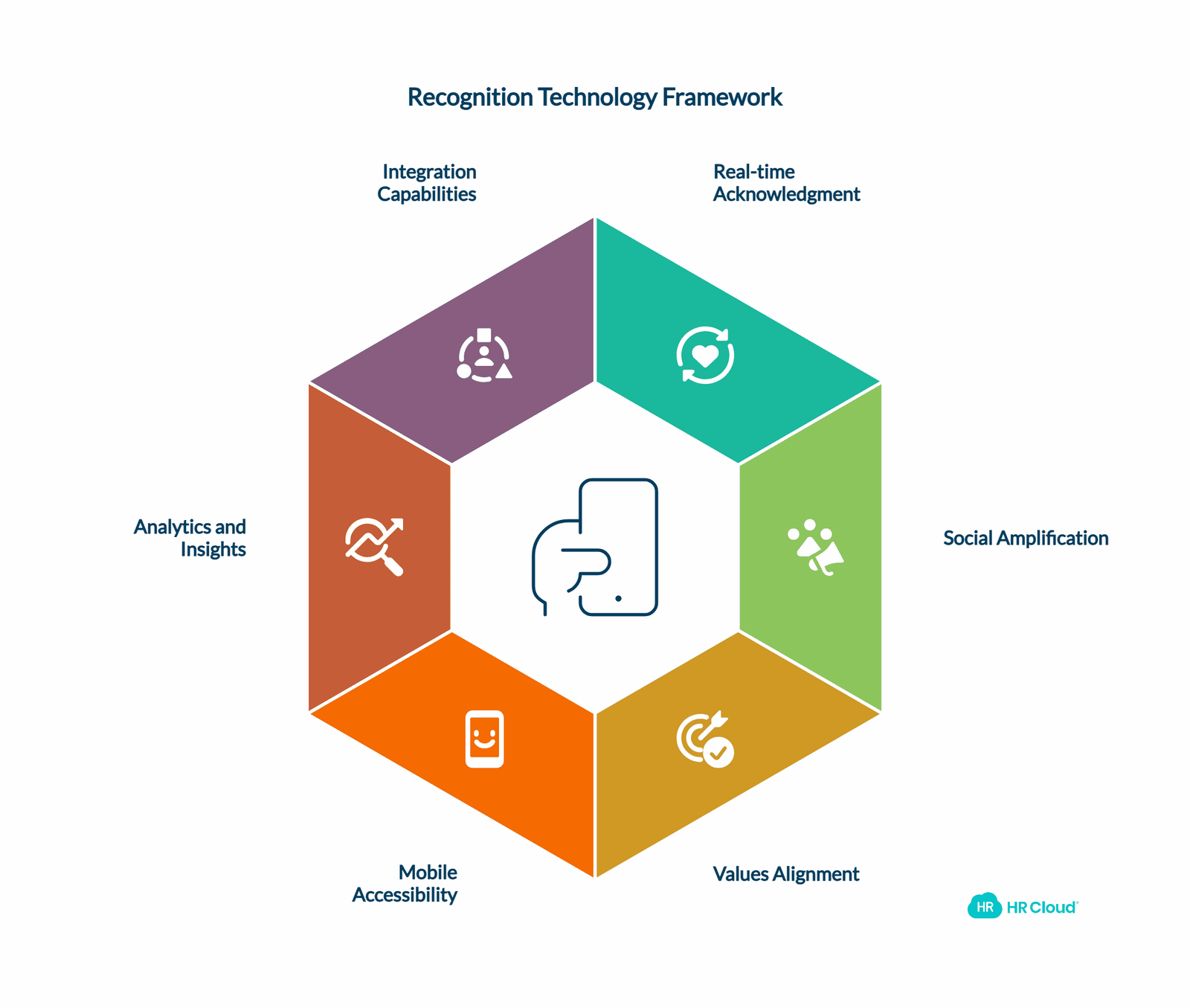
Modern employee recognition platforms transform how organizations deliver appreciation by making recognition easy, visible, measurable, and scalable. These systems address common recognition challenges: manager inconsistency, remote worker invisibility, and difficulty measuring program effectiveness.
Workmates by HR Cloud exemplifies comprehensive recognition software that goes beyond simple kudos systems. The platform integrates peer-to-peer recognition, customizable rewards catalogs, company-wide visibility feeds, mobile accessibility for frontline workers, and analytics that measure recognition patterns and engagement impact.
Key features that make recognition technology effective include:
- Real-time acknowledgment: Employees can recognize contributions immediately rather than waiting for performance reviews or scheduled meetings. This immediacy strengthens the connection between behavior and recognition, reinforcing desired actions.
- Social amplification: When recognition appears in company feeds, individual appreciation becomes shared celebration. Colleagues add reactions and comments, multiplying the impact of original recognition while making valued behaviors visible across the organization.
- Values alignment: Modern platforms allow organizations to tie recognition to specific company values or competencies. When employees receive kudos tagged with values like "customer obsession" or "innovative thinking," recognition reinforces cultural priorities.
- Mobile accessibility: Frontline workers in healthcare, manufacturing, retail, and hospitality often lack desk access. Mobile-first platforms ensure these employees participate fully in recognition culture rather than being excluded by technology limitations.
- Analytics and insights: Recognition platforms provide data on who gives and receives recognition, which teams show high engagement, and whether recognition patterns correlate with retention and performance outcomes. This visibility allows HR leaders to intervene when recognition gaps appear.
Integration capabilities extend recognition beyond standalone platforms. Workmates connects with Slack, Microsoft Teams, and major HRIS systems, allowing recognition to happen within tools employees already use daily rather than requiring separate logins or workflow disruptions.

Building Sustainable Recognition Culture
Technology enables recognition at scale, but sustainable performance culture requires intentional design, leadership commitment, and continuous reinforcement. Organizations that treat recognition as a "program" rather than cultural foundation often see initial enthusiasm fade as daily priorities crowd out appreciation.
Building recognition culture starts with leadership modeling. When executives regularly recognize contributions, participate in peer recognition, and celebrate team achievements publicly, they signal that appreciation matters. Leaders who skip recognition or delegate it entirely to HR undermine program credibility regardless of platform sophistication.
Frequency matters tremendously. According to Workhuman research, employees who receive recognition at least monthly are significantly more engaged than those recognized quarterly or annually. Optimal recognition frequency is weekly or more—yet 29% of employees receive no recognition at all.
Equitable recognition prevents resentment and ensures all contributions receive appropriate acknowledgment. Without structured systems, recognition often flows to visible performers while behind-the-scenes contributors go unnoticed. Recognition platforms help by prompting leaders to recognize diverse contribution types and providing visibility into recognition distribution across teams.
Training matters more than most organizations realize. Managers need guidance on effective recognition—what to say, when to acknowledge contributions, and how to personalize appreciation. Simple training on recognition best practices dramatically improves program adoption and effectiveness.
Measuring Recognition Program Effectiveness
What gets measured gets managed. Organizations that track recognition metrics gain insights into program effectiveness and can identify improvement opportunities before recognition culture erodes.
Key metrics to monitor include:
- Recognition frequency: How often do employees receive acknowledgment? Are there teams or individuals consistently overlooked? Weekly recognition should be the baseline standard.
- Participation rates: What percentage of employees actively give recognition? Low participation suggests barriers exist—whether technical friction, unclear expectations, or insufficient manager modeling.
- Recognition distribution: Does recognition flow only from managers to employees, or do peers recognize each other? Healthy cultures show high peer-to-peer recognition alongside manager acknowledgment.
- Value alignment: Are recognition moments tied to company values and strategic priorities? Generic "good job" messages miss opportunities to reinforce desired behaviors and cultural expectations.
- Engagement correlation: Do recognition patterns correlate with engagement survey results, retention rates, and performance outcomes? Strong correlations validate program effectiveness.
Workmates' analytics features provide dashboards showing these metrics in real-time, allowing HR leaders to identify recognition gaps and intervene proactively. For example, if analytics reveal that night shift workers receive 60% less recognition than day shift employees, leaders can implement targeted initiatives to ensure equitable appreciation.
Implementing Your Non-Monetary Recognition Program
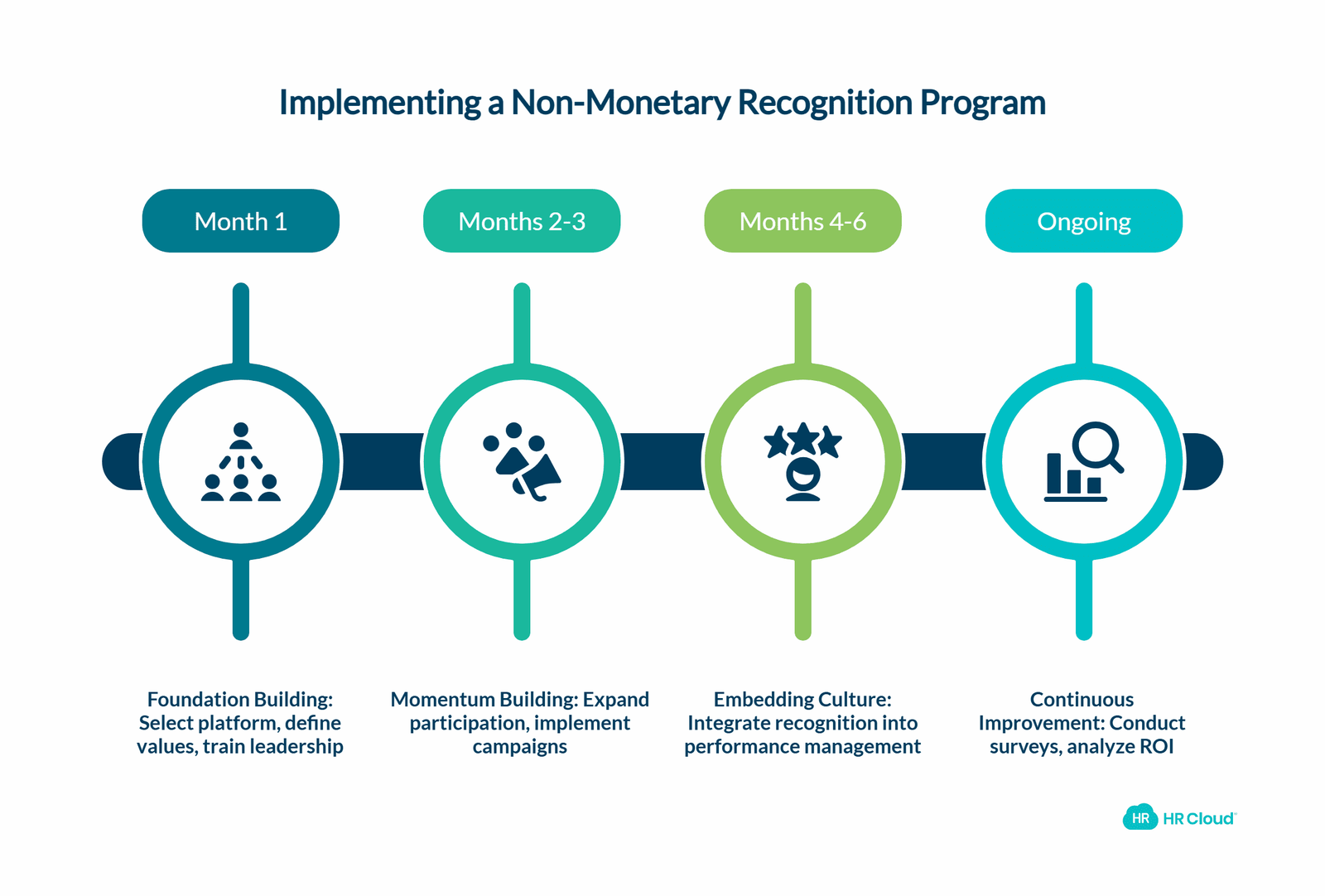
Starting a recognition program feels overwhelming, but incremental implementation yields better results than attempting comprehensive launches. Begin with pilot programs in receptive departments, gather feedback, refine approaches, then expand gradually.
Month 1: Foundation Building
- Select recognition platform and integrate with existing systems
- Define company values and behaviors worthy of recognition
- Train leadership team on recognition best practices
- Launch pilot with 2-3 departments representing diverse work types
Months 2-3: Momentum Building
- Expand participation to additional departments
- Implement monthly recognition campaigns highlighting specific values
- Share success stories and recognition examples across the organization
- Monitor participation metrics and address adoption barriers
Months 4-6: Embedding Culture
- Incorporate recognition into performance management processes
- Add recognition metrics to manager scorecards
- Celebrate recognition champions who consistently acknowledge colleagues
- Refine reward options based on redemption data and feedback
Ongoing: Continuous Improvement
- Conduct quarterly recognition pulse surveys
- Analyze correlation between recognition and engagement/retention
- Expand reward catalog based on employee preferences
- Share recognition program ROI with leadership to maintain investment
Technology platforms like Workmates simplify implementation by providing templates, best practice guidance, and customer success support throughout the rollout process. Organizations typically achieve full adoption within 3-6 months when following a structured recognition framework.
Get started on your own employee recognition program using this Recognition Program Starter Kit.
Download Now
Conclusion: The Lasting Impact of Meaningful Recognition
Non-monetary employee rewards represent far more than cost-saving alternatives to raises and bonuses. When implemented thoughtfully, these recognition strategies address fundamental human needs for belonging, progress, and acknowledgment that financial compensation alone cannot satisfy.
The evidence is compelling: Organizations that prioritize meaningful recognition see 45% better retention, 31% lower turnover, and significantly higher engagement across their workforce. These outcomes translate directly to business performance through improved productivity, customer satisfaction, and innovation.
The shift toward non-monetary recognition reflects broader changes in workplace expectations. Employees increasingly seek purpose, growth, flexibility, and authentic appreciation alongside competitive compensation. Organizations that respond to these evolving needs position themselves as employers of choice in competitive talent markets.
Technology has democratized recognition by making appreciation easy, visible, and measurable at scale. Platforms like HR Cloud's Workmates enable organizations to build systematic recognition cultures that reach every employee—from executives to frontline workers—regardless of location or work arrangement.
The question isn't whether to implement non-monetary recognition programs but how quickly you can deploy systems that turn appreciation into competitive advantage. Every day without structured recognition represents missed opportunities to strengthen employee relationships, reinforce cultural values, and reduce costly turnover.
Start small, measure consistently, refine continuously, and watch as authentic appreciation transforms your workplace culture and drives measurable business results.

Experience how Workmates can transform communication and strengthen culture—all in one powerful platform
Book Your Free DemoFrequently Asked Questions
What are non-monetary rewards, and how are they different from monetary ones?
Non-monetary rewards recognize employees' contributions without direct financial compensation. They include public praise, flexible work hours, career development opportunities, symbolic awards, and personalized gestures that provide emotional value rather than monetary increases. According to research from Workhuman, 65% of employees prefer non-monetary recognition like thank-you notes and find non-cash rewards more memorable than cash bonuses.
Why should organizations prioritize non-monetary recognition?
Non-monetary rewards build long-term engagement, foster belonging, and improve retention more effectively than cash rewards alone. Gallup-Workhuman research shows employees who receive meaningful recognition are 45% less likely to leave within two years. Recognition boosts morale, productivity, and loyalty while costing significantly less than financial incentives.
What are effective examples of non-monetary recognition?
Proven strategies include handwritten thank-you notes, flexible work arrangements, public acknowledgment in team meetings, career development opportunities, peer recognition through digital platforms, milestone celebrations, additional PTO days, and experiential rewards like team outings. The most effective programs combine multiple recognition types tailored to individual preferences.
How do non-monetary rewards outperform monetary ones in effectiveness?
Non-monetary rewards often feel more memorable and meaningful because they address emotional needs for belonging and purpose. Physical recognition like awards or handwritten notes ("trophy value") creates lasting impact, while cash is quickly spent and forgotten. SHRM research shows companies with strong recognition programs experience 31% lower voluntary turnover—demonstrating long-term retention impact that bonuses rarely achieve.
How can organizations tailor non-monetary recognition programs for greater impact?
Start by surveying employees to understand their recognition preferences—some value public acknowledgment while others prefer private appreciation. Set clear program objectives around engagement, retention, and culture. Design tailored initiatives like mentorship programs, flexible scheduling, or recognition platforms. Train managers on effective recognition practices, communicate consistently, and monitor participation metrics to refine approaches based on data and feedback.
Ready to transform your recognition culture? Discover how Workmates by HR Cloud makes peer-to-peer recognition, customizable rewards, and engagement analytics effortless across your entire organization.
About the author

Keep Reading


Like What You Hear?
We’d love to chat with you more about how HR Cloud® can support your business’s HR needs.
Book Your Free Demo