Turn Employees into Brand Ambassadors| HR Cloud

What does it mean to turn employees into brand ambassadors?
Turning employees into brand ambassadors means giving your workforce the tools, guidelines, and encouragement to authentically represent your company online — sharing their real experiences in ways that attract top talent and build employer brand credibility.
Why can't companies just rely on their marketing team for this?
Candidates are increasingly skeptical of polished corporate messaging, but they do trust people who actually work there. Authentic employee voices reach further and convert better than any ad campaign.
How do HR leaders build a program that actually works?
The key is combining genuine employee engagement with practical enablement — social media training, inclusive guidelines, and advocacy platforms that make participation easy, trackable, and rewarding. This article shows you exactly how.
A group that owns several restaurants and pubs recently embarked on an initiative to train employees. But these employees weren't going to be trained like everyone else. They were going to be trained in brand ambassadorship. This is one of the most effective ambassador program examples in the hospitality industry. Here's how this employee advocacy program unfolded.
Over the course of several days, the servers, hosts, and bartenders
• Built Twitter profiles,
• Discussed how to rep their employer (the brand!) online, and
• Learned about sharing info and engaging with a vast online community.
A primary goal, obviously, was to promote the various establishments and grow revenue by bringing in more customers. In case you manage a restaurant, go over this article and implement these techniques to turn your employees into your restaurant's ambassador brand for better customer interaction and business improvement I followed a number of the employees and they did a great job of spreading the word about crawfish, gumbo, Abita Beer and all the other wonderful items we find on menus here in Louisiana.
They also looked like they were having a great time. At work. Imagine that?
These employees, while promoting the company brand to the hungry and thirsty public, were also serving as the voice of the employer brand. Although I’m not privy to actual data, I’m willing to bet the company’s candidate pipeline increased, employee referrals went up, and turnover, quite possibly, went down. This is a prime example of how employee advocacy can benefit an organization.
Key Takeaways
- Your employees are already brand ambassadors. Every post, story, or mention about their workplace shapes your brand — with or without a formal program.
- Authentic voices beat polished marketing. Candidates trust real employee stories far more than company ads, creating a candidate experience no careers page can match.
- Connection to mission comes before content. Employees who don't feel tied to company values won't advocate effectively. Strong onboarding and ongoing engagement come first.
- Guidelines should enable, not restrict. Positive, inclusive social media policies give employees the confidence to share without fear of getting it wrong.
- Advocacy directly improves hiring outcomes. Authentic employee content boosts pipeline quality, offer acceptance rates, and employer brand — simultaneously.
Technology makes it measurable. Advocacy platforms integrated with your ATS let HR teams track engagement and turn grassroots effort into a scalable strategy.
What is a Brand Ambassador?
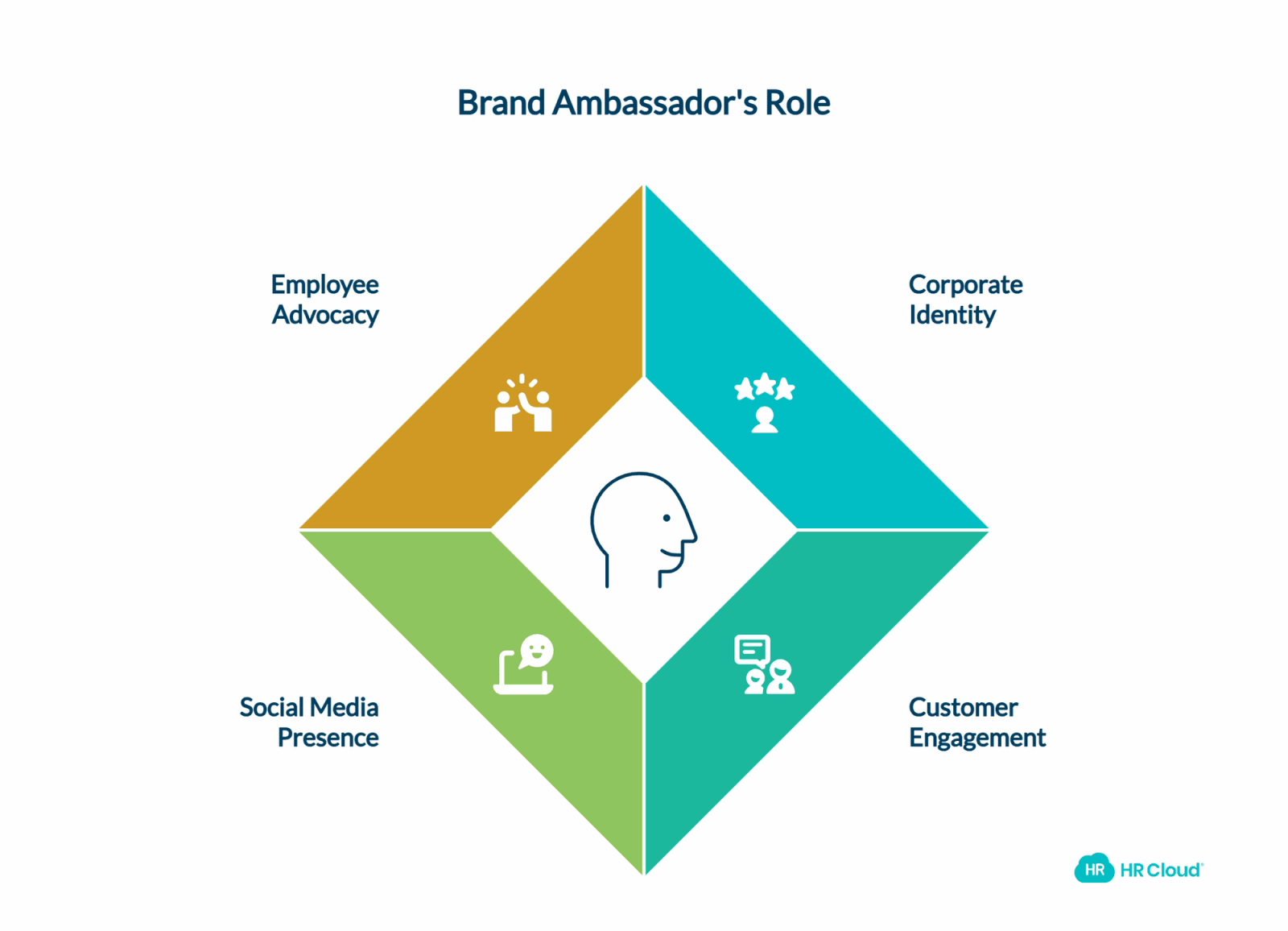
A brand ambassador is a term that comes from marketing and refers to an individual employed by a company to promote products or services while personifying the corporate identity. Brand ambassadors, sometimes referred to as brand promoters or brand champions, are viewed as reliable sources of information and engage with customers or members of the public either in person or via social media platforms.
On the HR side of the business, we've realized, for some time now, that our employees are all, quite naturally, employee advocates. The members of our workforce identify with our company merely by being a part of the organization. We may have hundreds or thousands of employees who are sharing their stories, discussing their careers, and promoting the employment experience—amplified across numerous social media channels—with their unique and individual voices. This authentic employee advocacy significantly impacts employer branding and creates a positive candidate experience for those researching your organization during their candidate journey.
That's powerful for increasing brand awareness and visibility while attracting top talent through recruitment marketing.
What do Brand Ambassadors do?
The three core activities brand ambassador employees perform (posting reviews, sharing job updates, building social profiles) can be presented as a clear comparison table. Replace the relevant section with this:
| Activity | Platform Examples | Impact on Employer Brand & Candidate Experience |
|---|---|---|
| Posting workplace reviews and stories | Glassdoor, LinkedIn, personal blogs | Gives job seekers an honest, employee-verified view of company culture, improving candidate trust and application quality |
| Sharing job postings and company updates | Twitter/X, LinkedIn, Facebook | Extends reach to passive candidates through employee networks, boosting candidate sourcing and reducing time to hire |
| Engaging with the online community | Instagram, Twitter/X, Facebook, TikTok | Humanizes the employer brand, drives social media engagement, and creates a positive candidate experience before a single application is submitted |
| Building personal social media profiles | Twitter/X, LinkedIn | Establishes employees as credible, authentic voices for the brand, amplifying recruitment marketing efforts organically |
How to Turn Employees into Brand Ambassadors
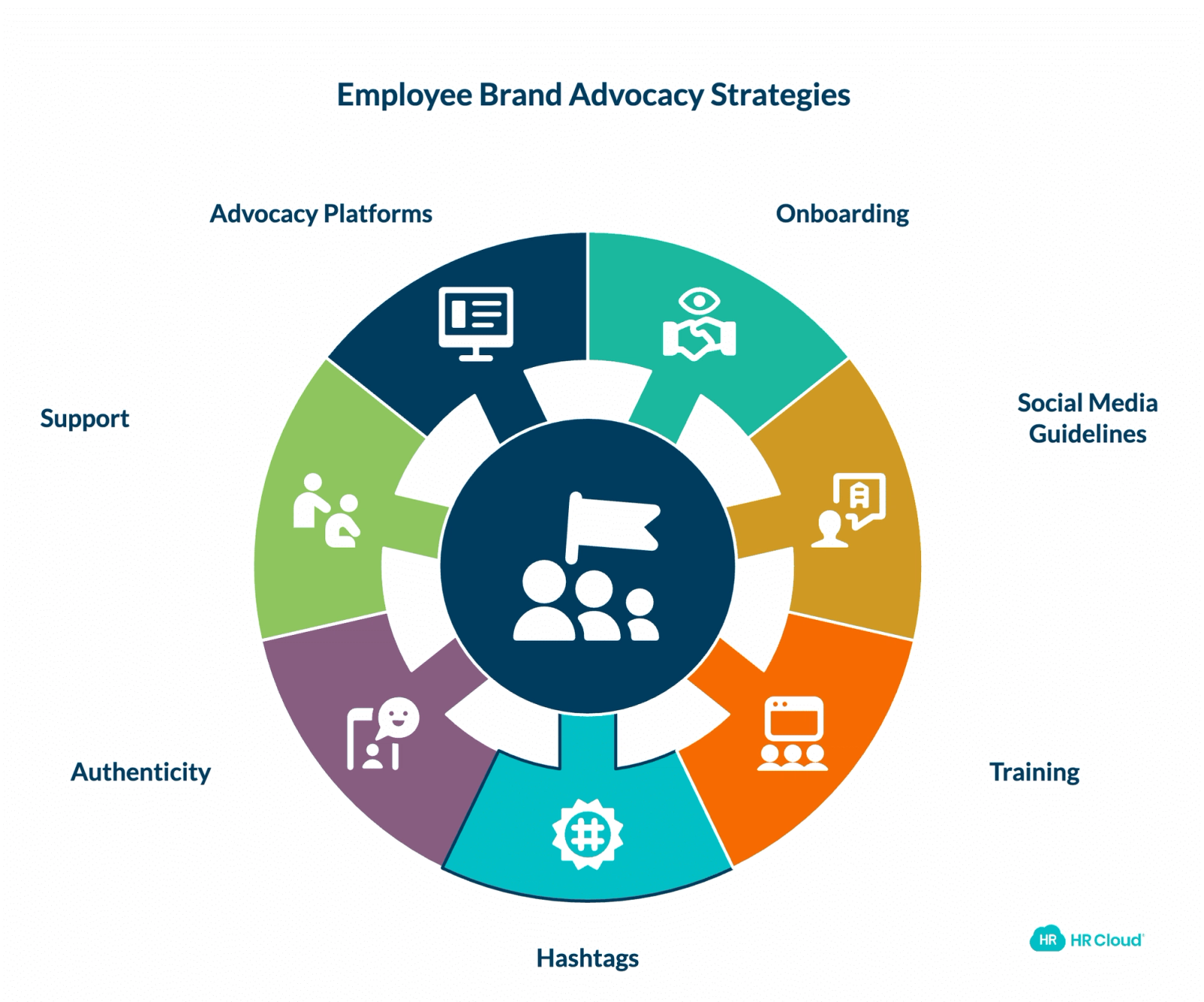
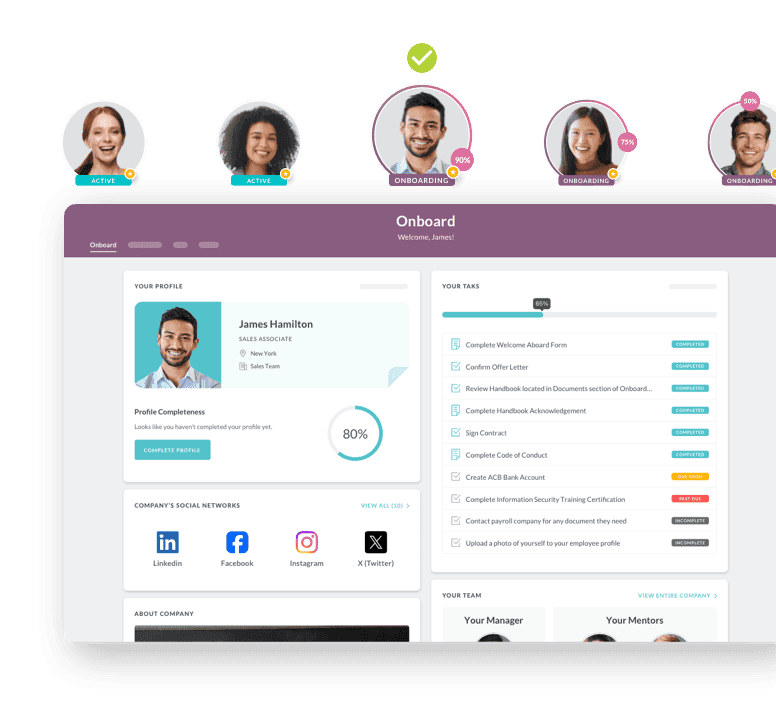
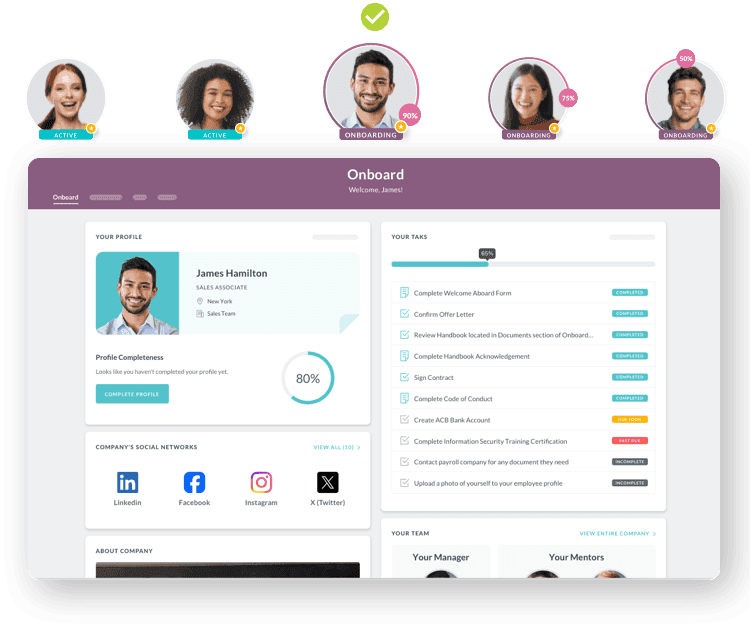
In order to have employees who serve as advocates for your company, you need to ensure they feel connected to the organization’s mission, vision, and brand values. This begins with a strong onboarding process and continues throughout their tenure as a member of your team. Employee participation is crucial for successful brand advocacy and for creating a positive candidate experience that extends from the initial job posting through the interview process and beyond.
To empower your employee brand ambassadors, you must have social media guidelines that are positive and inclusive. These brand guidelines should focus on what could go right, rather than what could go wrong. You want to think about the benefits to be gained when your employees are knowledgeable, comfortable, and encouraged to share online. Provide social media training on various channels (Facebook, Twitter, Instagram) and ensure your employees have employee advocacy content to share. Create specific hashtags for employees to use (#LifeatKohls is a great example) and encourage them to use it across all platforms. This forms a key part of your overall social media strategy and recruitment marketing approach, helping hiring managers and the hiring team attract quality candidates while reducing time to hire.
Tweet: Empower brand ambassadors with a social media policy that’s inclusive @HRCloud
Honesty and authenticity are important, so make sure your brand champions also understand their personal brands. Every employee advocate has individual traits that make them unique and exceptional, and when allowed to speak with a 'personal' voice, they can imbue the story of your company with realness and humanity. Allowing your employees to share what inspires them and makes their employment experience exceptional not only solidifies their own engagement but can also boost your talent attraction activities and enhance brand loyalty. This proactive engagement creates an exceptional candidate experience that resonates with job seekers throughout their recruitment journey, from initial awareness through the interview experience to the job offer stage, ultimately improving offer acceptance rates and candidate satisfaction.
If you have employees who are connected, committed, and engaged, then you already have social media ambassadors. When you provide support, care, and encouragement, you can unleash their power to enhance your brand reputation and social media presence while simultaneously improving the candidate experience at every touchpoint of the hiring process.
Implementing employee advocacy programs can significantly impact your organization's brand advocacy efforts and create a best candidate experience that sets you apart from competitors. By encouraging content sharing and leveraging employee networks, you can increase your social media followers and overall brand visibility while enhancing candidate engagement throughout the recruitment funnel. When employees share authentic job descriptions and insights about company culture, they help create a positive candidate experience that attracts higher candidate quality to your candidate pool. Remember, your employees are your best brand promoters, and their authentic voices can greatly enhance your social media marketing efforts while improving candidate experience and candidate satisfaction throughout the entire hiring timeline.
Download the free employee engagement checklist for managers
Use it to turn good intent into steady habits. Tick items, spot misses, and correct fast. The format is printable, one page, and built for hybrid and deskless teams.
Download Now
To streamline your employee advocacy initiatives and optimize the candidate experience, consider using an employee advocacy platform or employee advocacy software. These tools can help you manage and track your advocacy efforts, making it easier to measure the impact of your programs and ensure consistent employee participation. With the right employee advocacy platform, you can provide your team with a centralized hub for sharing approved content, tracking engagement, and measuring the success of your advocacy efforts. Additionally, integrating these tools with your applicant tracking system can help you monitor how employee advocacy impacts key metrics like candidate engagement, interview scheduling efficiency, hiring efficiency, and overall hiring success while gathering valuable candidate feedback through candidate satisfaction surveys. This integration also helps optimize the application process from initial submission through final review.
In conclusion, turning your employees into brand ambassadors is a powerful way to boost your company's visibility and reputation while creating an outstanding candidate experience that attracts top talent. By implementing well-structured employee advocacy programs with clear candidate engagement strategies, providing the right tools and guidelines, and encouraging authentic participation, you can harness the full potential of your workforce as advocates for your brand. This approach not only strengthens your employer branding but also ensures that you meet and exceed candidate expectations throughout every stage of the hiring process, from the initial job application through the interview process to final hiring decisions, ultimately improving the candidate experience and driving better recruitment outcomes.

Discover how our HR solutions streamline onboarding, boost employee engagement, and simplify HR management
Book Your Free DemoFAQ's
1. What is an employee brand ambassador program?
An employee brand ambassador program is a structured initiative that encourages employees to share authentic experiences about your company culture, workplace environment, and job opportunities across platforms like LinkedIn, Instagram, and Glassdoor. Instead of relying only on corporate marketing, organizations use real employee voices to improve employer branding, increase candidate trust, and attract top talent. HR Cloud helps companies manage employee advocacy through engagement tools, communication workflows, onboarding experiences, and social collaboration features that strengthen employee participation organically.
2. Why are employee brand ambassadors important for employer branding?
Employee brand ambassadors improve employer branding because candidates trust employees more than polished corporate messaging. Authentic employee stories create transparency around company culture, leadership, career growth, and work environment. This directly improves candidate engagement, offer acceptance rates, employee referrals, and recruitment marketing performance. Organizations that encourage advocacy also tend to see stronger retention because engaged employees naturally promote positive workplace experiences.
3. How can HR teams encourage employees to become brand ambassadors?
HR teams should focus on employee experience first, not social media promotion first. Employees only advocate for companies they genuinely feel connected to. Strong onboarding, recognition programs, communication transparency, career development, and engagement initiatives create the foundation for advocacy. HR Cloud supports this process through AI onboarding workflows, employee engagement tools, recognition systems, communication feeds, and mobile-friendly experiences that help employees feel connected from Day 1.
4. What are the benefits of employee advocacy software?
Employee advocacy software helps organizations scale employee participation while maintaining brand consistency. The right platform simplifies content sharing, tracks engagement, improves recruitment marketing visibility, and helps HR teams measure advocacy ROI. HR Cloud’s employee engagement platform helps companies centralize communication, recognition, onboarding, social collaboration, and employee engagement workflows that naturally support employee advocacy initiatives without making participation feel forced.
5. How does employee advocacy improve recruitment and hiring?
Employee advocacy improves hiring by expanding job visibility through employee networks and increasing candidate trust during the recruitment process. Candidates who see real employee experiences are more likely to apply, engage with recruiters, and accept offers. Advocacy also improves candidate quality because referrals and social trust reduce skepticism during the hiring journey. Companies using employee-driven employer branding often reduce time-to-hire and improve candidate experience simultaneously.
6. What social media platforms work best for employee advocacy?
LinkedIn is usually the most effective platform for professional employee advocacy because it supports employer branding, recruiting visibility, and thought leadership. However, Instagram, TikTok, Facebook, Glassdoor, and even YouTube can strengthen employee storytelling depending on the workforce demographic. Frontline and deskless workforce organizations often benefit from mobile-first engagement strategies that allow employees to participate easily from personal devices.
7. How do you measure the success of an employee advocacy program?
Successful employee advocacy programs track metrics such as employee participation rate, social engagement, referral applications, candidate quality, employer brand visibility, offer acceptance rates, and retention improvements. Advanced organizations also measure how advocacy impacts recruiting costs and hiring efficiency. HR Cloud helps HR teams monitor employee engagement trends and workforce participation through centralized engagement and communication workflows.
8. Can employee advocacy help reduce employee turnover?
Yes. Employees who actively participate in advocacy programs often feel more connected to company culture and organizational purpose. Advocacy reinforces belonging, recognition, and engagement, which directly impact retention. Organizations with strong communication, onboarding, and recognition systems generally experience lower turnover because employees feel seen, valued, and involved in the company’s growth and reputation.
About the author

Keep Reading


Like What You Hear?
We’d love to chat with you more about how HR Cloud® can support your business’s HR needs.
Book Your Free Demo