

- Strong Imperative for a Crisis Management Software
- Which Companies Need Crisis Management Software?
- Mobile App for Emergency Communication
- Dependable Platform That Can Handle Extraordinary Situations
- Two-Way Communication Channel for Employee Well-Being
- Crisis Management by Leveraging the Power of Analytics and Data
- Right Tool for a Resilient Workforce
- Business Continuity with Cutting-edge Features


What does crisis management software actually do for a business?
Crisis management software gives leaders a structured communication infrastructure to deliver real-time information, coordinate responses, and keep every employee — remote, frontline, or office-based — informed and safe when disruptions strike. Without it, even a well-written crisis plan falls apart at the execution stage.
Why can't companies rely on email or phone calls during a crisis?
Traditional communication channels like email and landlines often become inaccessible during the exact moments they're needed most — leaving frontline workers, who make up 80% of the global labor force, completely in the dark.
How do you choose the right platform?
This guide breaks down the must-have features — from mobile apps and analytics dashboards to two-way communication and automation — so you can build a truly resilient workforce before the next crisis hits.
Key Takeaways
-
A crisis cannot be predicted — but it can be prepared for. Every organization needs both a crisis management plan and the software to execute it in real time.
-
95% of companies expect to face a crisis, and 69% already have — making crisis management software a business necessity, not a luxury.
-
Frontline workers are the most vulnerable during a crisis. Mobile-first communication tools are essential for keeping them informed and safe when they can't stop working.
-
A dependable crisis communication platform must handle legal, financial, security, and safety crises — not just natural disasters or pandemics.
-
Two-way communication is critical during a crisis. Pulse surveys, peer-to-peer chat, and employee feedback loops help leaders make better decisions under pressure.
-
Analytics dashboards give leaders real-time visibility into employee engagement and well-being during a crisis — enabling faster, more informed responses.
-
Business continuity features — automation, cloud-based operations, schedule management, and multi-channel messaging — are what separate resilient organizations from reactive ones.
-
The right crisis management tool should also support everyday employee engagement, recognition, and communication — not just activate during emergencies.
-
HR Cloud's crisis communication platform is built to keep every employee — remote, frontline, or office-based — connected, informed, and supported when it matters most.
A crisis cannot always be predicted, including when it may hit and how long it will last. Your company should be prepared for such situations, aided by effective crisis management software and team communication tools to manage unfamiliar interruptions and ensure business continuity.
A sudden and unexpected event may happen at any time, which makes it challenging for companies to redirect their operations and manage communication protocols for business as usual. This necessitates the need for a two-pronged approach - crisis management software and a crisis management plan. While a crisis management plan entails a clear playbook outlining the procedures and policies in place for any unexpected event, crisis management software facilitates communication channels through cloud-based networks to ensure an aligned workforce and business continuity.
A crisis communication tool is a clear and concise way for leaders to transparently deliver information to employees during a time of crisis. This allows employees to stay calm and focused and provides them with the support they need to coordinate a crisis response for the organization.
Strong Imperative for a Crisis Management Software
The findings of a Global Crisis Survey conducted in August 2019 showed that an overwhelming majority (95%) of companies believed they would face a crisis of some kind in the future. The findings were proved right. The survey also highlighted that 69% of companies faced a crisis during the last five years.
Which Companies Need Crisis Management Software?
Every business in general stands to benefit with the capability to not only maintain but also ensure strong communication in the event of a disruption, especially for remote teams and distributed workforces.
Many businesses and industries with frontline workers operated during the COVID-19 pandemic. The right software connecting these workers helped them stay up to date on information affecting their work as well as safety, whilst supporting the operations of the organization. You should select a communication tool that confers certain capabilities and ensures that all the employees are aligned with a unique and well-drafted crisis communication plan.
Mobile App for Emergency Communication
Emergency management software is a crucial tool for any business, but it is particularly helpful for organizations whose employees are constantly on the move. For example, frontline workers make up 80% of the world's labor force and are often the ones who suffer the most during a crisis since they can't just stop working. Frontline workers include healthcare professionals who are on the frontlines of the battle against the pandemic, and they are the ones leading the charge. They take care of the sick and drive ambulances, making up 20% of the world's frontline workers. Another group of people who have been working hard during this time is retailers. With grocery stores being one of the few retail industries permitted to remain open, retailers have strived hard to disinfect stores, order supplies, and stock shelves.
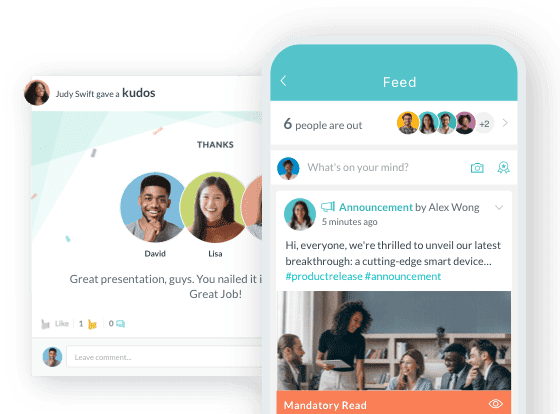
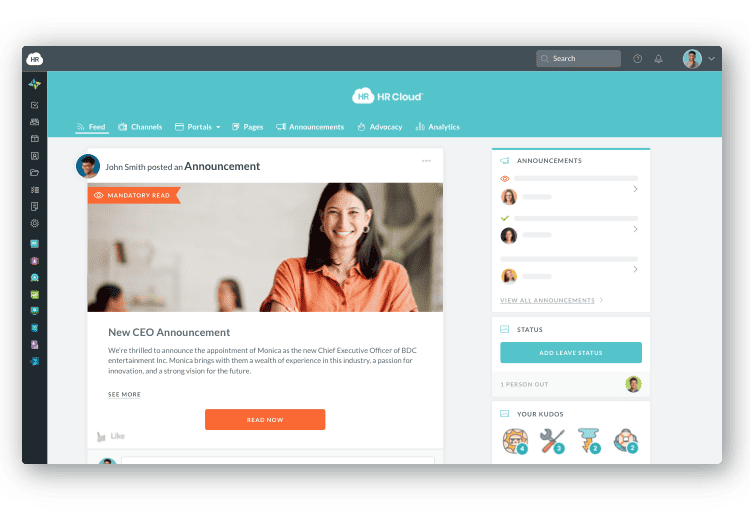
A mobile employee communication app helps in creating a unified response during crisis situations by aligning every employee with regular updates from the leadership, whether they work in a remote work environment or on-site.
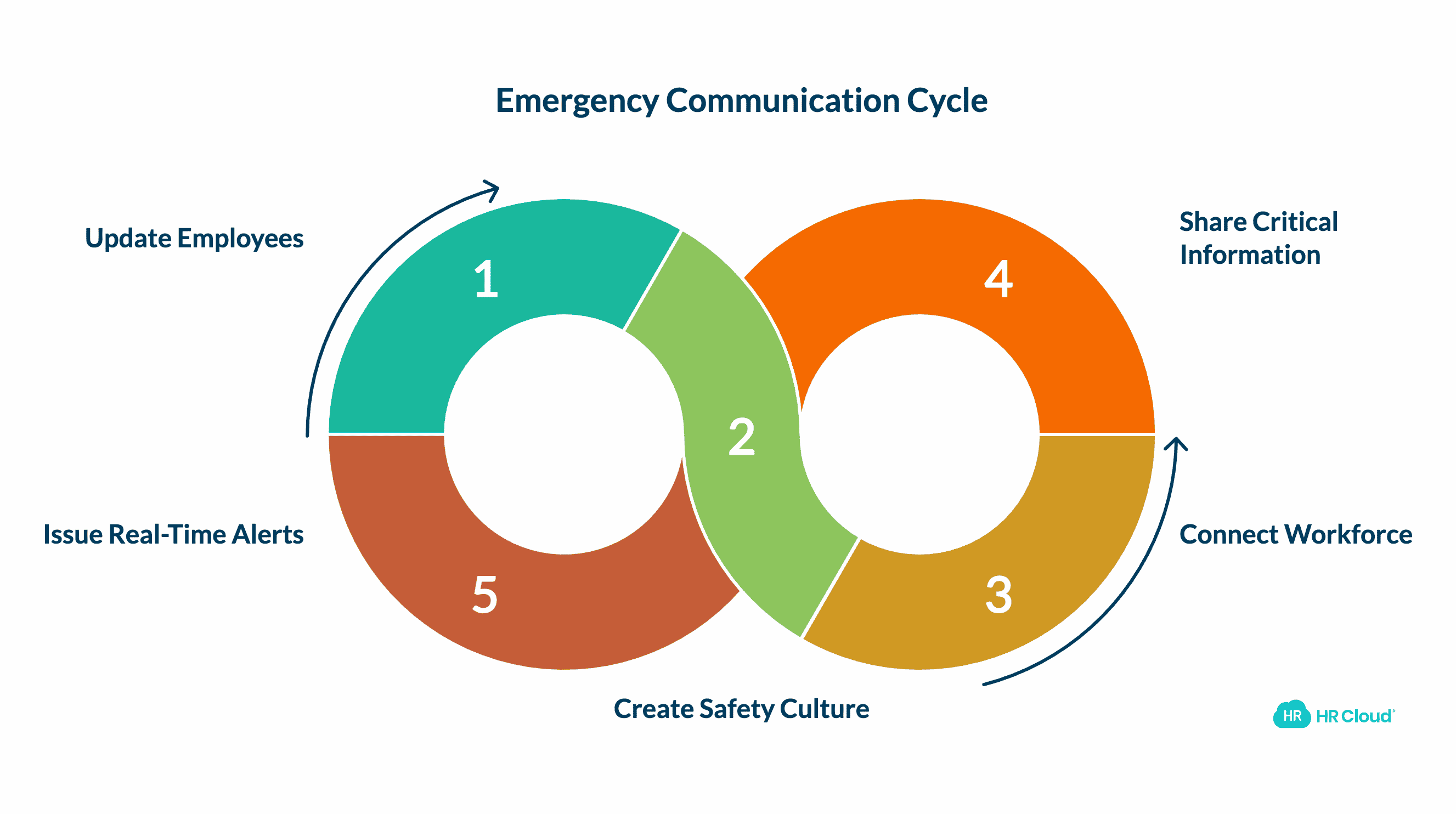
Prioritizing communication is indispensable. With the right mobile software, leaders can create a culture of safety throughout their company, connecting with their dispersed workforce and remote teams. By using an iOS app builder, leaders can quickly and easily create custom mobile applications, making it easier to communicate important safety information to employees. This helps in sharing critical information, uploading safety training videos, and issuing real-time alerts during a crisis, right from an extreme weather event (higher incidences due to climate change) to a contagious infection that can affect employees and customer service.
Dependable Platform That Can Handle Extraordinary Situations
A company may encounter different events that can impact various aspects of its operations at any given moment such as legal, financial, brand reputation, data security, facilities, as well as safety. To ensure an effective yet seamless transition from day-to-day operations to emergency crisis communication, the role of digital tools that can also serve as emergency communication software is crucial. This way, you and your team will be able to communicate with one another quickly and efficiently in the event of an unforeseen crisis.
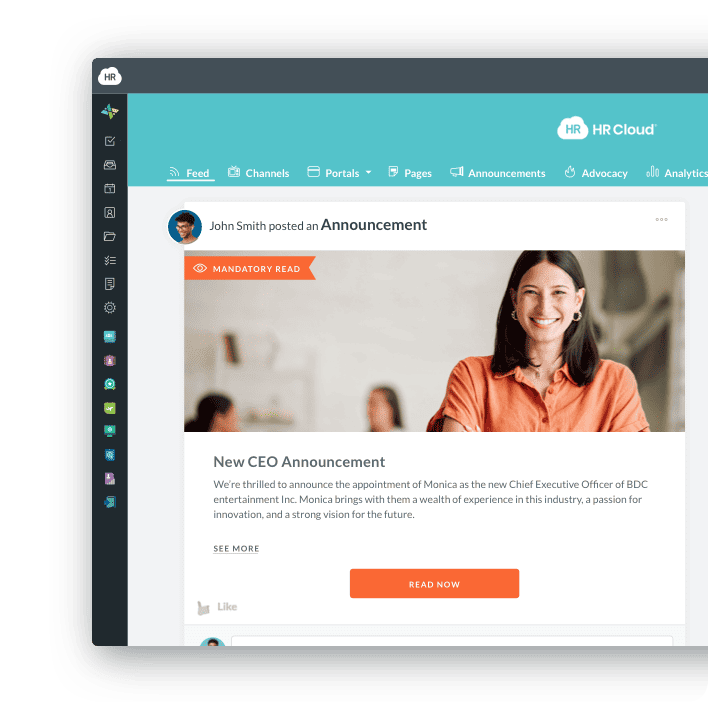
A cybersecurity crisis can severely impact a company's operations and cause sensitive data leaks, affecting the brand reputation and also customer base. A robust and effective internal communication tool with key features can aid a seamless transition to support business operations during a contingency. These features should include the real-time ability to deal with the rapidly evolving situations, confirmation campaigns to make sure employees mandatorily read the alerts and messages, group chat for collaboration, and a repository for sharing and updating crucial safety information.
Two-Way Communication Channel for Employee Well-Being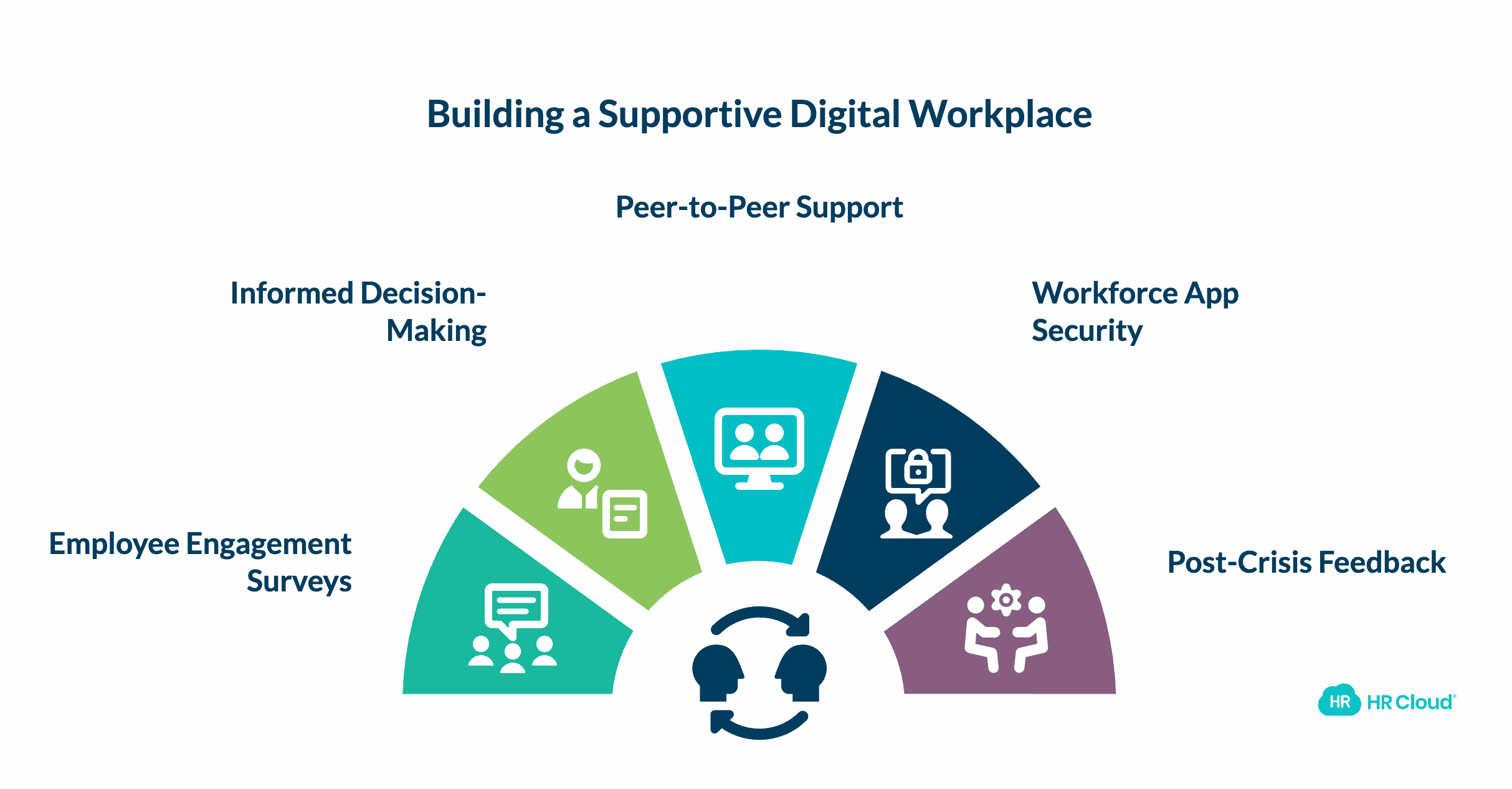
A digital tool that allows for two-way communication helps businesses create an inclusive environment on a daily basis. This strategy delivers positive outcomes, such as increased employee engagement, a more collaborative workforce, and improved customer service. When a crisis occurs, it's even more important for organizations to have a channel that frontline workers and remote teams can use to voice their concerns while maintaining work-life balance.
-
Employee engagement surveys and employee pulse surveys are a great way for leaders to keep track of how their employees are doing during a crisis.
-
By asking questions and getting feedback from frontline workers, managers can make more informed decisions about how to proceed and strengthen employee feedback loops.
-
Peer-to-peer chat and communication help create a supportive structure for colleagues working from different locations, promoting team cohesion through virtual team building and employee engagement activities.
-
A workforce app can also provide a space for employees to voice their concerns and feel more secure in their work environment.
After a crisis has passed, leaders can use post-crisis response feedback to assess their crisis management plan and see how it worked out in practice.
Crisis Management by Leveraging the Power of Analytics and Data
Being able to communicate with your employees is a great foundation, but having a fully functional crisis management service with an analytics dashboard will provide you with more detailed information about your team. Analytics can help you understand employee engagement during regular business operations, but in a crisis, everything changes and it can be very hard on your employees. They may become anxious or lose focus, hence it's important to have a system that can help you monitor these things.
An analytics dashboard as part of your crisis management service can get you a clear picture of what's going on with your team and identify any areas of concern. This way, you can address any issues that may come up and help keep your employees calm and focused during a time of crisis. Even during a crisis, remote employee engagement and employee satisfaction are still key. Make sure that you check how your employees are managing and use your communication tools to reach out to them. Effective employee engagement programs can improve employee retention rates and employee loyalty. This way, you can provide the support they need during this difficult time.
Right Tool for a Resilient Workforce
When it comes to choosing a digital crisis communication solution for your business, it's important to find one that will support your needs and help you stay organized. Create dedicated crisis streams and alerts, but don't forget to maintain a sense of normalcy in your communication. In other words, keep up with your day-to-day employee engagement strategies and practices to keep your workforce engaged and maintain remote employee engagement. This way, you'll be prepared for anything that comes your way. Also, ensure that the tool will help your company in employee recognition, promote collaboration through employee recognition programs and create a channel for employee feedback.
Business Continuity with Cutting-edge Features
Crises are unpredictable by nature, which means they can hit unexpectedly and last for an indefinite amount of time. Many companies faced major disruptions to their workflows due to lockdowns imposed during the COVID-19 pandemic. The right incident management software can play a key role in business continuity at all points during a crisis, especially when managing hybrid work models and flexible work arrangements in a digital workplace. Here are some of the features that you should look for while choosing software for this purpose:
|
Feature |
What It Does |
|
Automation capability |
Business continuity is vital for keeping things running smoothly, no matter what type of crisis may arise - whether it's a natural disaster, extreme weather event, data breach, or a sudden need to disperse your workforce. When a company has an internal communication tool that can automate even a routine administrative process such as payroll, then a transition to a crisis will have comparatively fewer disruptions. This level of automation in place will help to keep your business running as usual, even when faced with difficult and unforeseen circumstances. |
|
Cloud-based operations |
A crisis can often make traditional communication methods, like email or landlines, inaccessible. With a cloud-based network, employees are always reachable through their smartphones, can continue to communicate with colleagues and managers through apps like Slack or Google Hangouts, and access important documents and information stored online through cloud storage like Dropbox or Google Drive. |
|
Manage work schedules |
An effective workforce communication platform can enable workers to manage their schedules on their mobile devices which can help to reduce absenteeism during a crisis. Employees can continue to receive their work schedules and swap their schedules directly with colleagues, supporting remote team engagement. |
|
Messaging across multiple channels |
Employees can use different communication channels throughout the day to accomplish their work. This could be in the form of voice messages, group chats, or direct messaging. With a strong platform, businesses can be assured that communication will not be interrupted and work can continue as usual. |
Crisis management is one of the key factors in managing an organization. With the help of efficient crisis management software, you can prepare your organization to face any unexpected situations, keep employees engaged, preserve your brand reputation and provide timely products and services.
 Experience how Workmates can transform communication and strengthen culture—all in one powerful platform
FAQ's
1. What is crisis management software?
Crisis management software is a digital communication platform that helps organizations prepare for, respond to, and recover from unexpected disruptions. It gives leaders a central way to send real-time alerts, share updates, collect employee feedback, and keep business operations moving during emergencies. For HR teams, the value is simple: you can reach employees quickly, especially remote, frontline, and deskless workers who may not have regular access to email or office systems.
2. Why do companies need crisis management software?
Companies need crisis management software because email, phone calls, and manual communication often fail during fast-moving disruptions. A crisis can affect employee safety, operations, customer service, compliance, brand reputation, or data security. With a cloud-based crisis communication platform, you can send urgent updates, confirm message acknowledgment, coordinate teams, and keep employees aligned from one place. HR Cloud helps organizations maintain communication and employee engagement before, during, and after a crisis.
3. What features should crisis management software include?
The best crisis management software should include mobile emergency alerts, two-way communication, group messaging, employee pulse surveys, analytics dashboards, cloud-based access, automation, schedule management, and multi-channel messaging. These features help HR and leadership teams send urgent information, understand employee concerns, track engagement, and reduce operational confusion. HR Cloud also supports employee communication, recognition, and feedback, so your crisis communication tool works as part of your everyday workforce communication strategy.
4. How does crisis management software support frontline workers?
Crisis management software supports frontline workers by giving them fast access to important updates through mobile-first communication. Frontline employees often cannot pause work, check company email, or wait for manager updates during emergencies. A mobile communication app helps leaders send real-time alerts, safety information, schedule changes, training updates, and policy announcements directly to employees wherever they are. This is especially important for healthcare, retail, manufacturing, logistics, hospitality, and other distributed workforces.
5. Can crisis management software improve employee communication?
Yes. Crisis management software improves employee communication by creating a reliable channel for leadership updates, employee feedback, peer communication, and real-time collaboration. During a crisis, employees need clear instructions, not scattered messages across email, phone calls, and chat threads. With HR Cloud, organizations can use communication streams, alerts, surveys, and feedback tools to keep employees informed and supported while helping leaders understand what employees need most.
6. How does HR Cloud help with crisis communication?
HR Cloud helps with crisis communication by giving organizations a mobile-friendly platform to reach employees, share critical updates, gather feedback, and maintain workforce alignment. HR Cloud supports employee communication, engagement, recognition, surveys, and collaboration, making it useful during both everyday operations and emergency situations. Instead of using disconnected tools only when something goes wrong, HR teams can use HR Cloud to build a stronger communication foundation before a crisis happens.
7. What types of crises can crisis management software help manage?
Crisis management software can help manage workplace safety issues, natural disasters, public health emergencies, cybersecurity incidents, facility closures, operational disruptions, legal concerns, financial issues, and brand reputation risks. The goal is not just to send emergency alerts. The goal is to help leaders coordinate response, protect employees, preserve business continuity, and keep communication clear when normal processes break down.
8. How do you choose the best crisis management software for your company?
Choose crisis management software that works on mobile devices, supports two-way communication, sends multi-channel alerts, tracks message acknowledgment, includes analytics, and connects crisis communication with everyday employee engagement. The weak choice is buying a tool that only sends emergency messages. The stronger choice is a platform your employees already use for communication, recognition, surveys, and updates. HR Cloud gives organizations a practical way to keep employees connected during normal operations and prepared when disruptions happen.

Keep Reading
New Manager Training Without a Formal L&D Program
Your best individual contributor just got promoted. They know the work cold. They know
The Manager's Role in Employee Retention: What the 2026 Data Shows
If your organization is spending money on engagement surveys, benefits upgrades, and
How to Use AI in HR: Moving From Drafts to Trackable Workflows Across the Full Lifecycle
You're an HR director at a 400-person company. You have three open requisitions, a