Conduct a Job Interview to Hire the Best Candidate

Hiring mistakes cost organizations an average of $4,700 per failed hire—and that number jumps significantly when you factor in lost productivity and team morale. A candidate might look exceptional on paper and deliver a polished interview performance, yet struggle once they join your team. You wonder: what went wrong?
Sometimes candidates aren't entirely honest about their capabilities. But more often, the issue lies in how we conduct interviews—the questions we ask, the structure we follow, and whether we're truly assessing what matters most for long-term success.
With 96.1% of U.S. employers now conducting comprehensive background checks and an average time-to-hire stretching to 44 days, the stakes have never been higher. The interview process isn't just about filling a seat—it's about identifying candidates who will thrive in your organization's unique environment and contribute meaningfully from day one.
Current interview statistics reveal a challenging landscape: only 27% of interviewed candidates receive offers, and 61% of candidates report being ghosted during the hiring process. These numbers underscore the importance of creating an efficient, respectful interview process that attracts top talent while helping you make confident hiring decisions.
HR Cloud's Recruit ATS streamlines every stage of this journey—from posting positions and tracking candidates to scheduling interviews and extending offer letters—so you can focus on what truly matters: finding the right fit for your team.
Here's your comprehensive guide to conducting job interviews that consistently identify exceptional candidates and create positive experiences that strengthen your employer brand.
Start With a Compelling Job Description
Your interview process actually begins before you meet any candidates—it starts with how you present the opportunity. Research shows that candidates who thoroughly understand a role are 47% more likely to perform well in interviews and accept offers.
Think beyond listing required skills and qualifications. Your job description should accomplish three critical objectives:
Create Immediate Interest: Your job title matters more than you might think. Generic titles like "Sales Associate" get lost in the noise, while specific, descriptive titles like "Enterprise Sales Development Representative" attract candidates who understand exactly what they're pursuing. Include relevant keywords that job seekers actually search for—this improves visibility on job boards and in Google searches.
Showcase Your Organization's Value Proposition: Top candidates evaluate multiple opportunities simultaneously. They need compelling reasons to choose you. Be authentic about your company culture, growth opportunities, and what makes your work environment special. Skip the corporate jargon—candidates appreciate genuine, conversational language that reflects your actual workplace personality.
If your organization offers employee recognition programs, flexible work arrangements, or continuous performance development, highlight these differentiators. Today's candidates prioritize workplace culture alongside compensation.
Provide Clear Application Guidance: Set realistic expectations about your hiring timeline and process stages. Transparency reduces candidate drop-off rates and shows respect for applicants' time. When candidates know what to expect—whether it's a phone screen, panel interview, or skills assessment—they arrive better prepared and more engaged.
HR Cloud's customizable job board features AI-generated job descriptions that help you create compelling, accurate postings tailored to your specific roles in seconds, while branded headers and sidebars reinforce your employer brand from the first impression.
Structure Your Interview Questions Strategically
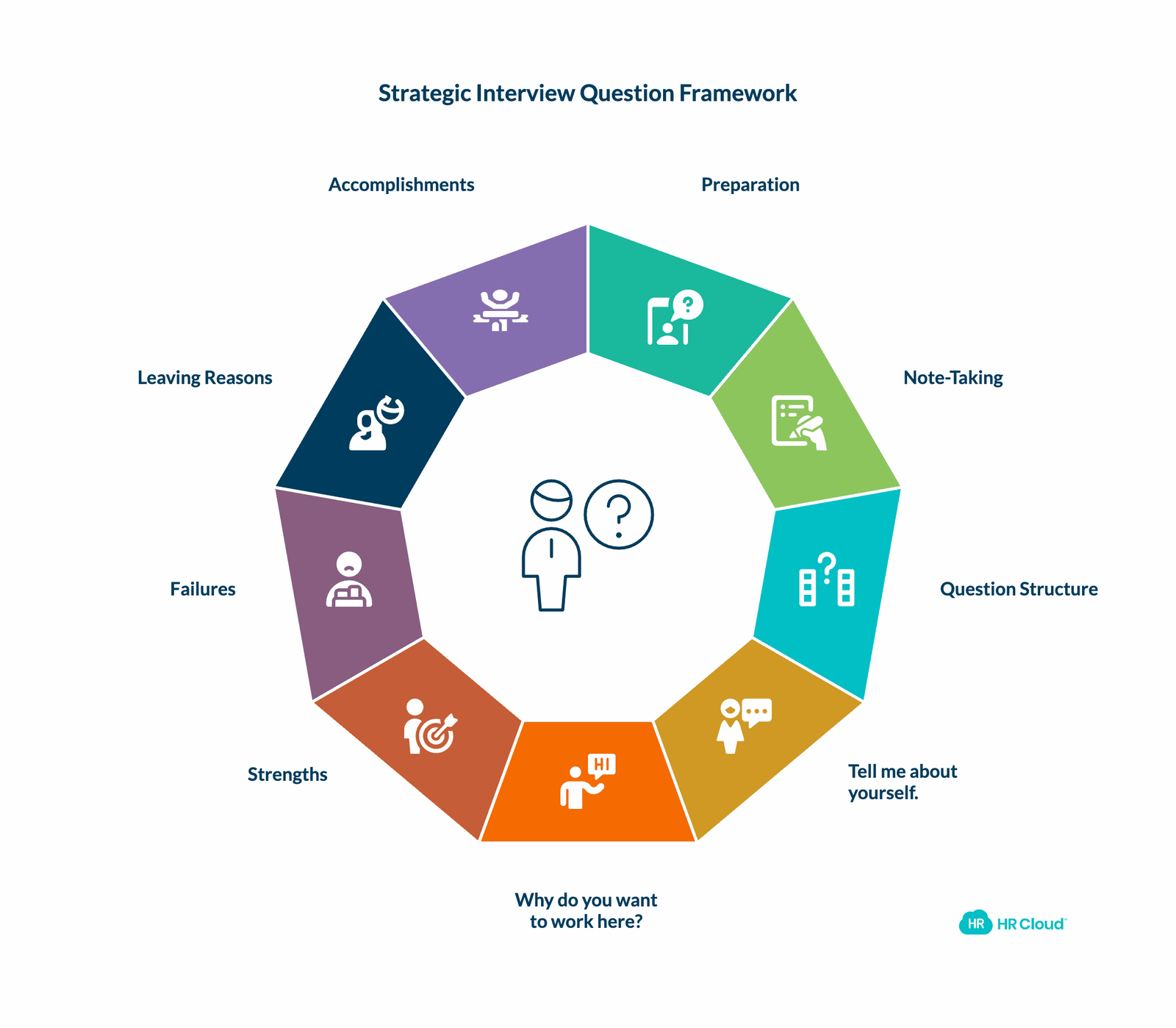
Once you've attracted qualified candidates through your ATS pipeline, preparing structured interview questions becomes your next critical step. According to SHRM research, structured interviews improve hiring quality by 74% compared to unstructured conversations.
The most effective interviews balance consistency with flexibility. Here's how to achieve that balance:
Prepare Questions in Advance: Write out your core questions before any interview. This creates consistency across all candidates, making fair comparisons possible later. You won't use every question with every candidate—interview discussions naturally evolve—but having a structured foundation ensures you gather essential information from everyone.
Take Detailed Notes: When you're interviewing multiple candidates, keeping them straight in your memory becomes challenging. Comprehensive notes allow you to compare responses objectively weeks later when making final decisions. Capture not just what candidates say, but how they say it—their enthusiasm, thoughtfulness, and communication style.
Interview scheduling through HR Cloud's Recruit ATS simplifies coordination with integrated Teams and Zoom links, ensuring smooth, professional interview experiences for both your team and candidates.
Create a Logical Question Structure: Effective interviews follow a deliberate progression that builds rapport while systematically gathering information. Consider this framework:
Six Essential Interview Questions That Reveal True Potential
1. "Tell me about yourself."
This intentionally open-ended question serves multiple purposes. It reveals what candidates consider most important in their professional lives and how they organize and present information. Strong candidates quickly establish relevant context, highlight key achievements, and demonstrate clear communication skills.
Listen for: How they balance professional accomplishments with personal values, whether they tailor their answer to your specific role, and how confidently they navigate an unstructured prompt.
2. "Why do you want to work here specifically?"
This question instantly reveals preparation depth. Candidates who've researched your organization will reference specific initiatives, recent company news, cultural attributes, or growth trajectories that resonate with their career goals.
Red flags appear when candidates focus solely on generic benefits or can't articulate anything beyond basic job description details. Strong candidates connect your mission to their personal professional values and explain how this opportunity aligns with their longer-term career vision.
3. "Describe your most relevant strengths for this role."
Go beyond generic skills listing. When candidates identify strengths, immediately ask for specific examples demonstrating those abilities in action. This behavioral approach—requesting concrete examples rather than hypothetical scenarios—provides more reliable insight into actual capabilities.
If the role requires cross-functional collaboration, and they claim "excellent teamwork skills," ask them to describe a challenging team project, their specific role, obstacles encountered, and measurable outcomes achieved. This follow-up questioning separates genuine competency from rehearsed talking points.
For roles requiring leadership in employee engagement initiatives, ask candidates how they've previously built team connection or recognition practices.
4. "Tell me about a significant professional failure and your response."
This behavioral question reveals resilience, self-awareness, and problem-solving approach. Everyone experiences setbacks—what matters is how they process and learn from them.
Strong responses include honest acknowledgment of the failure, clear explanation of contributing factors (without excessive blame-shifting), concrete steps taken to address the situation, and specific lessons applied to future challenges.
Watch for: Candidates who claim they've never experienced failure (unrealistic), those who blame external factors exclusively (lack of accountability), or those who show genuine reflection and growth from difficult experiences (emotional intelligence).
5. "Why are you leaving your current position?"
This question requires careful navigation. Legitimate reasons include seeking growth opportunities, career advancement, new challenges, industry changes, or relocation. These responses focus forward rather than dwelling on negatives.
Be cautious with candidates who criticize current supervisors, complain extensively about colleagues, or focus primarily on what they dislike rather than what they're moving toward. While everyone encounters difficult work situations, how they discuss these experiences reveals professionalism and emotional maturity.
6. "Describe your greatest career accomplishment to date."
Request detailed specifics. Don't settle for vague overviews—ask for metrics, timelines, challenges overcome, resources utilized, and collaboration involved. This question reveals both competency and what candidates personally value as success.
A software developer might describe building a feature that improved user engagement by 40%. A manager might discuss turning around an underperforming team. A customer service representative might highlight implementing a process that reduced complaint resolution time by three days. The accomplishment itself matters less than the thought process, execution approach, and measurable impact demonstrated.
Understanding Different Interview Formats
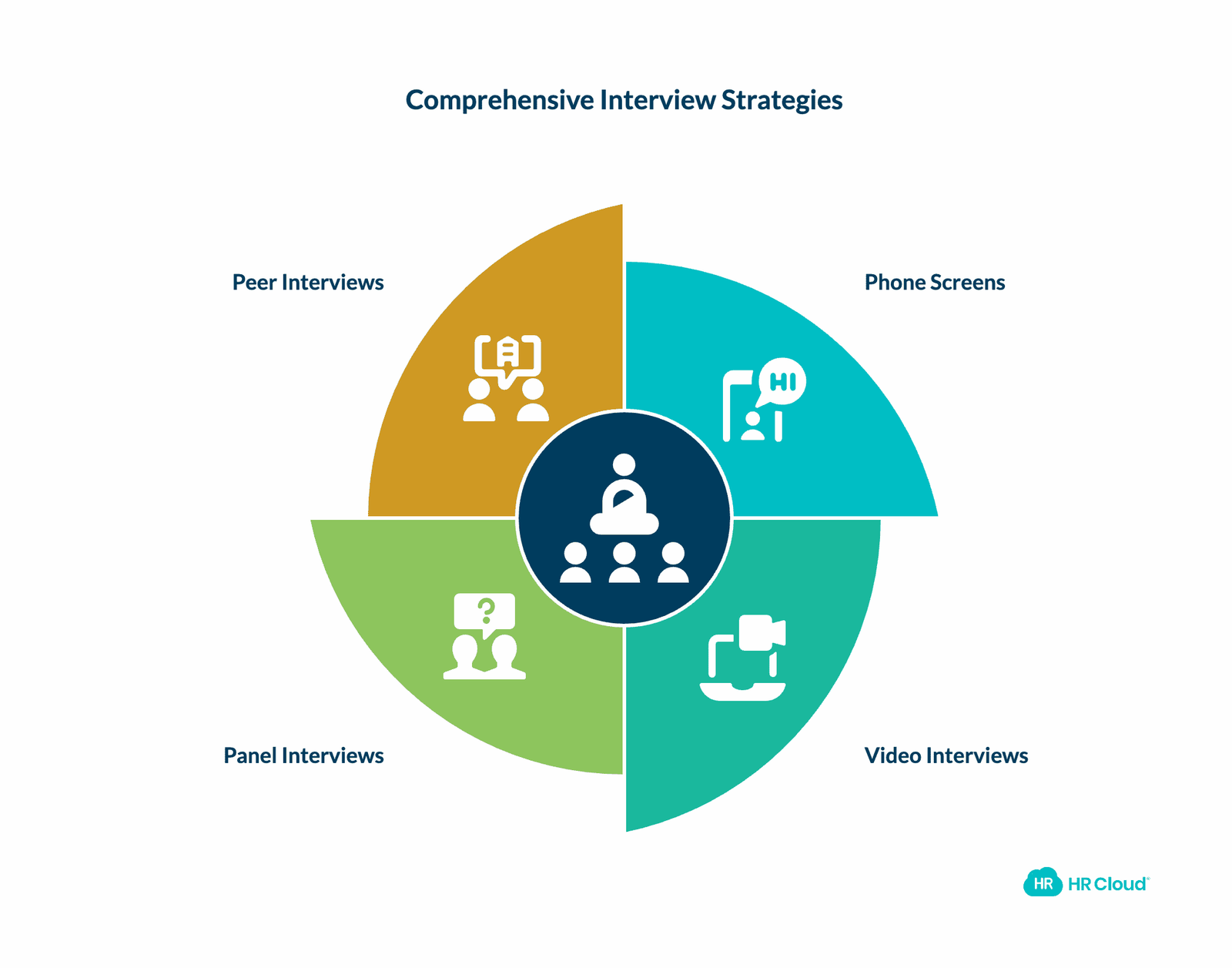
Modern hiring processes often incorporate multiple interview types, each serving distinct purposes:
Phone Screens (15-30 minutes): Initial qualification verification, basic fit assessment, salary expectation alignment. These screens filter large applicant pools before investing time in comprehensive evaluations.
Video Interviews (40-60 minutes): Primary assessment format for remote roles or geographically distributed candidates. Virtual interviews require specific skills—ensure interviewers are trained in digital communication best practices and technical troubleshooting.
Panel Interviews (60-90 minutes): Multiple interviewers simultaneously assess candidates, particularly valuable for senior roles requiring cross-functional collaboration. Panel interviews provide diverse perspectives but require careful coordination to avoid overwhelming candidates.
Peer Interviews (30-45 minutes): Team members who will work directly with the new hire conduct focused assessments on day-to-day collaboration fit, technical compatibility, and team dynamic alignment.
The most effective hiring processes combine formats strategically rather than defaulting to a single approach for all roles and levels.
Essential Interview Best Practices
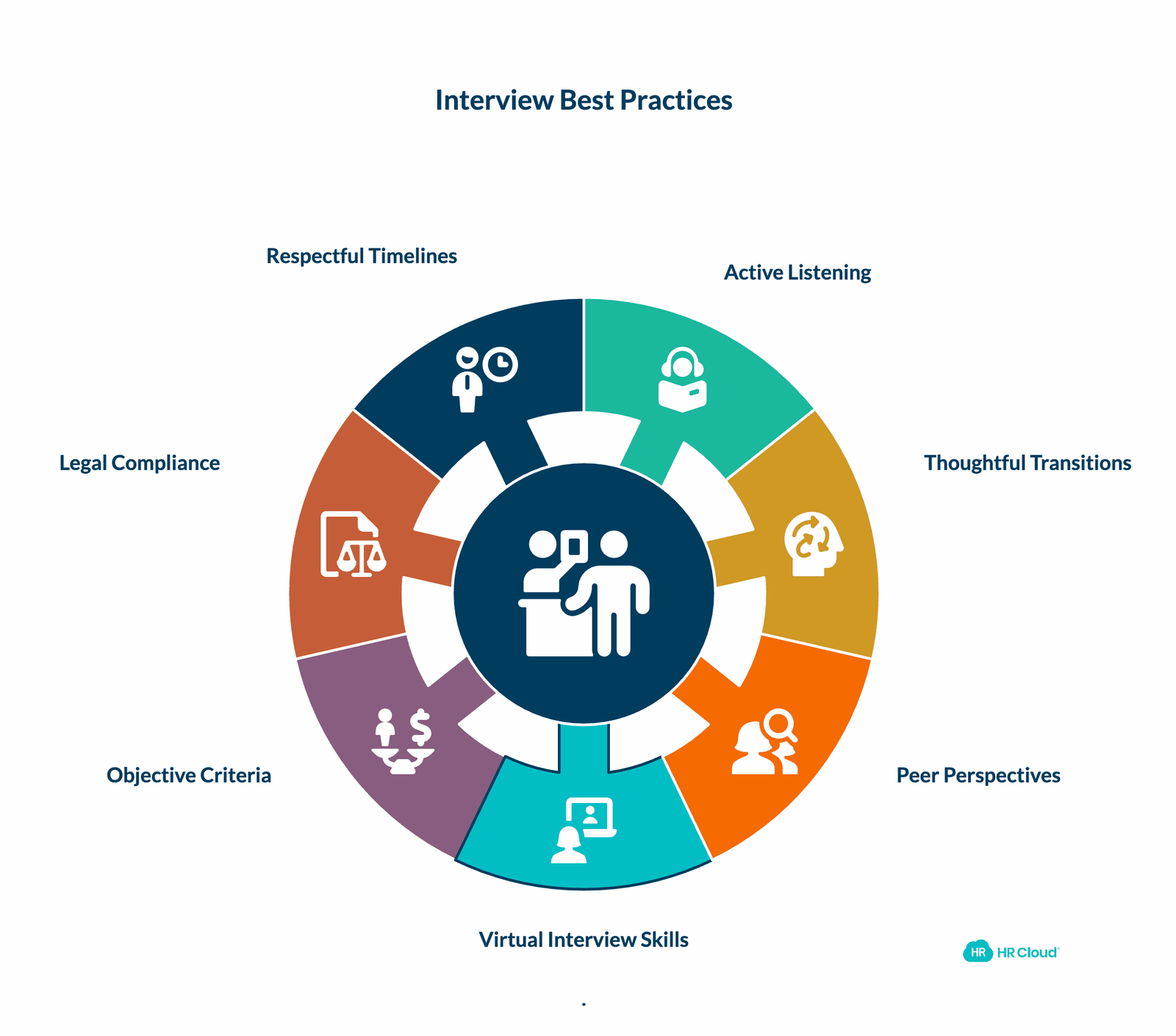
Beyond asking the right questions, how you conduct the interview significantly impacts candidate quality assessment and their experience with your organization.
Listen More Than You Talk
Candidates naturally feel nervous during interviews. It's tempting to take control and dominate the conversation to put them at ease. Resist this urge. Interviews exist for you to learn about candidates—and you can't learn while you're talking.
Ask your question, then practice active listening. If a candidate pauses to think before responding, give them that space. Some of the most thoughtful, considered responses come after a few seconds of silence. Take notes, maintain appropriate eye contact, and demonstrate genuine interest in their answers.
According to recent interview research, the most effective interviewers speak less than 20% of the interview duration while candidates speak 80%.
Explore Job Transitions Thoughtfully
Modern careers involve more movement than previous generations experienced. Job hopping shouldn't automatically disqualify candidates—but you should understand the pattern and motivations behind frequent changes.
When you notice multiple short tenures, ask about each transition context. Were they contract positions? Did the company restructure? Were they pursuing specific learning opportunities? Understanding the "why" behind job changes helps distinguish candidates seeking growth from those escaping problems.
When possible, contact previous employers or hiring managers for reference checks. Patterns of conflict with supervisors or co-workers often repeat in new environments.
Involve Peer Perspectives
You won't work directly with this new hire daily—your team will. Their perspective on candidate fit matters enormously. Whenever feasible, include team members in interview panels or create separate peer interview sessions.
Peers often ask different questions than managers ask. They understand day-to-day collaboration requirements, unspoken team dynamics, and technical nuances that managers might overlook. Empowering team members with interview participation also increases their investment in the new hire's success.
If peer interviews aren't logistically possible, gather input on what your team needs in this role. Incorporate their questions into your interview structure and share detailed notes from candidate responses. This inclusive approach builds trust and ensures you're hiring for the team's actual needs, not just your perception of them.
Address Virtual Interview Considerations
With 86% of organizations now incorporating video interviews into hiring processes, your virtual interview skills matter as much as in-person capabilities. Virtual interviews present unique challenges—technology difficulties, varying home environments, and reduced non-verbal communication.
Set candidates at ease by acknowledging these challenges upfront. A simple statement like "If we experience any technical difficulties, we'll work through them together—it won't impact your candidacy" immediately reduces anxiety. Remember that not everyone has access to a quiet, professional-looking background, and this should never influence your evaluation of their qualifications.
HR Cloud's interview scheduling integrates seamlessly with Zoom and Microsoft Teams, providing professional, reliable virtual interview experiences while automatically tracking candidate progression through your hiring stages.
Maintain Objective Evaluation Criteria
Unconscious bias affects every interviewer. Without structured evaluation frameworks, hiring decisions become subjective and potentially discriminatory. Before interviews begin, establish clear, job-related criteria for assessing candidates.
Create evaluation scorecards covering essential competencies, cultural alignment factors, and role-specific requirements. After each interview, complete your assessment independently before discussing candidates with colleagues. This process helps identify where legitimate concerns exist versus where personal preferences might be influencing judgment.
Current research shows that standardized evaluation reduces hiring bias by 65% while improving candidate quality by maintaining consistent standards across all applicants.
Navigate Legal Compliance Requirements
Understanding what you cannot ask during interviews protects both your organization and candidates. Federal and state employment laws prohibit questions about protected characteristics that could enable discrimination:
Never ask about: Age or date of birth, race or ethnicity, religious beliefs or practices, disability or health conditions, marital or family status, pregnancy or family planning, national origin or citizenship (before offering employment), genetic information, military discharge status.
Focus instead on: Job-related qualifications, specific skills and competencies, work experience and achievements, availability and schedule flexibility, eligibility to work legally (after offering employment).
When candidates voluntarily share protected information during interviews, acknowledge briefly and redirect conversation to job-related topics. Document only evaluation criteria relevant to role performance.
Organizations that maintain strict legal compliance while conducting thorough, respectful interviews build stronger employer brands and reduce litigation risk significantly.
Respect Interview Timelines
Candidate experience significantly impacts your employer brand and offer acceptance rates. About 46% of candidates withdraw from consideration due to poor interview experiences, with unprofessional interviewer behavior being the leading factor.
If you schedule a 60-minute interview, honor that timeframe. Start punctually and finish on schedule. Candidates often arrange time off work to interview—keeping them waiting or running significantly over communicates disorganization and disrespect.
Similarly, maintain reasonable interview cycles. While 4-6 week hiring processes feel normal to employers, candidates with multiple opportunities won't wait. Research indicates that 32% of candidates view 2-3 interview rounds as excessive, and 52% consider 4-5 rounds too many. Balance thoroughness with efficiency.
Close Strong and Communicate Next Steps
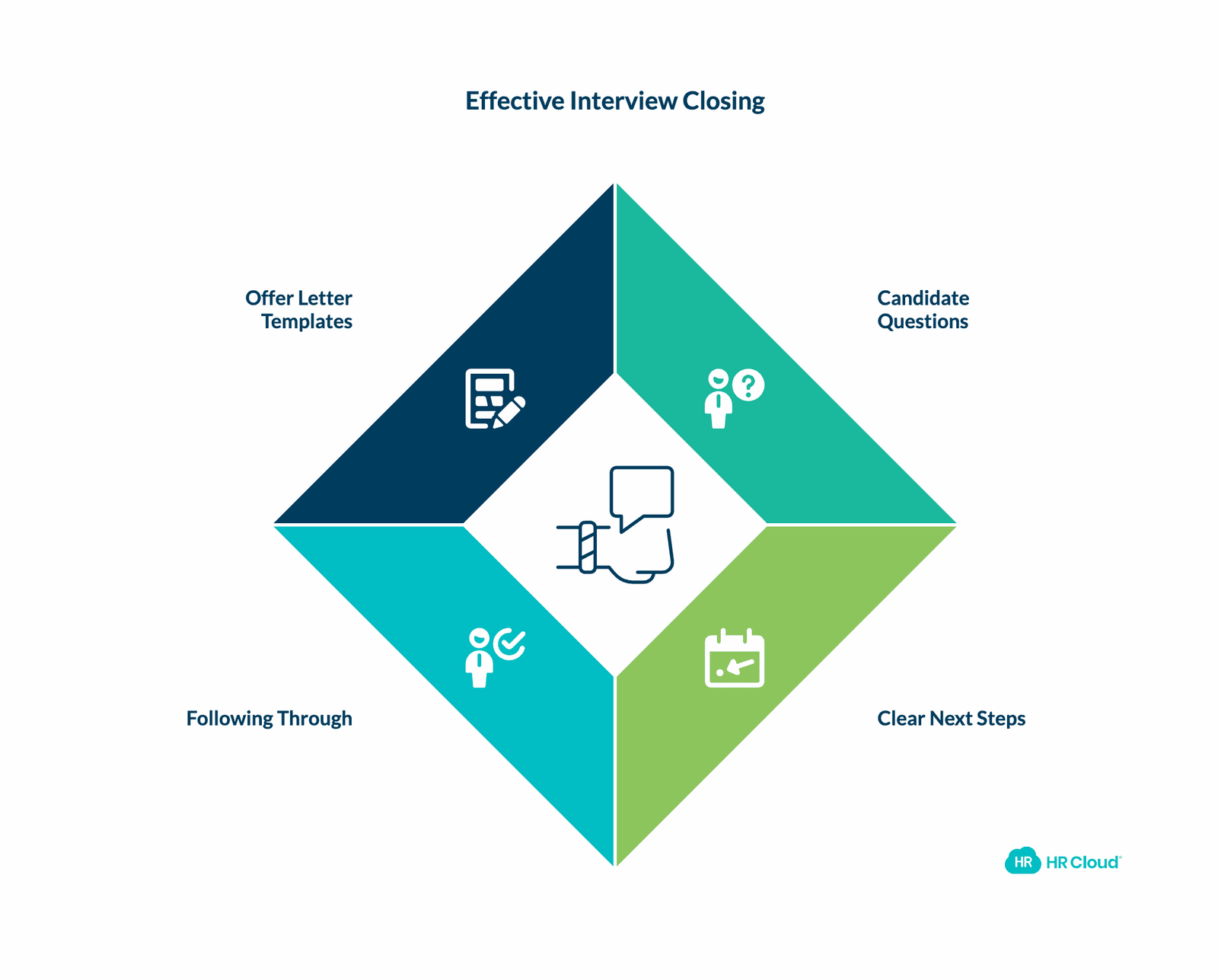
How you end interviews matters as much as how you begin them. Strong closings leave candidates enthusiastic about your organization regardless of hiring outcomes.
Always allow time for candidate questions. Their questions reveal priorities, preparation depth, and genuine interest level. Thoughtful questions about team dynamics, growth opportunities, performance expectations, or company strategy indicate serious consideration.
Clearly communicate next steps, timelines, and what candidates should expect. Vague statements like "we'll be in touch" feel dismissive and unprofessional. Instead, provide specifics: "We're interviewing candidates through Friday, will make our decision by Tuesday, and will contact everyone—including those not selected—by Thursday."
Following through on these commitments demonstrates organizational integrity. Remember that 61% of candidates report being ghosted during hiring processes—a practice that damages employer brands and reduces future candidate quality.
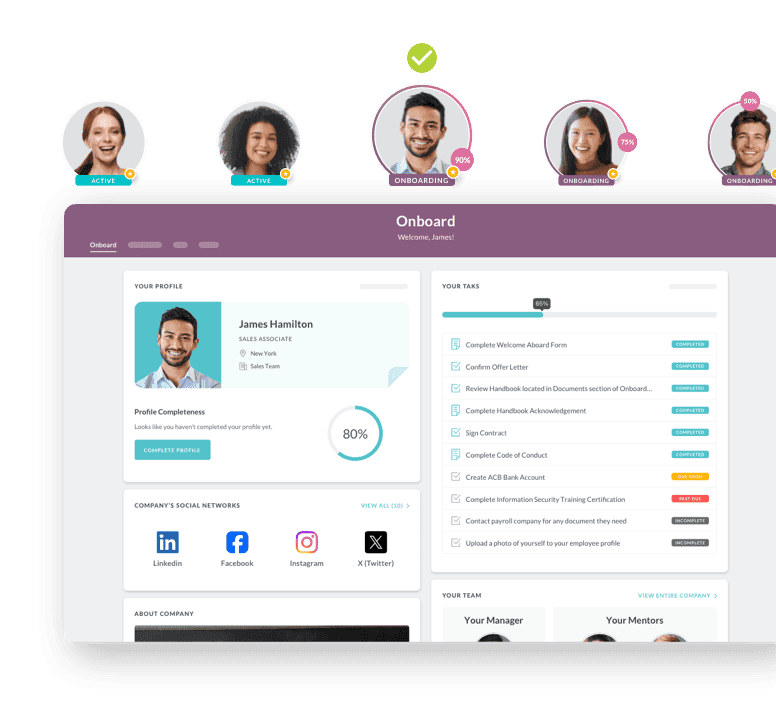
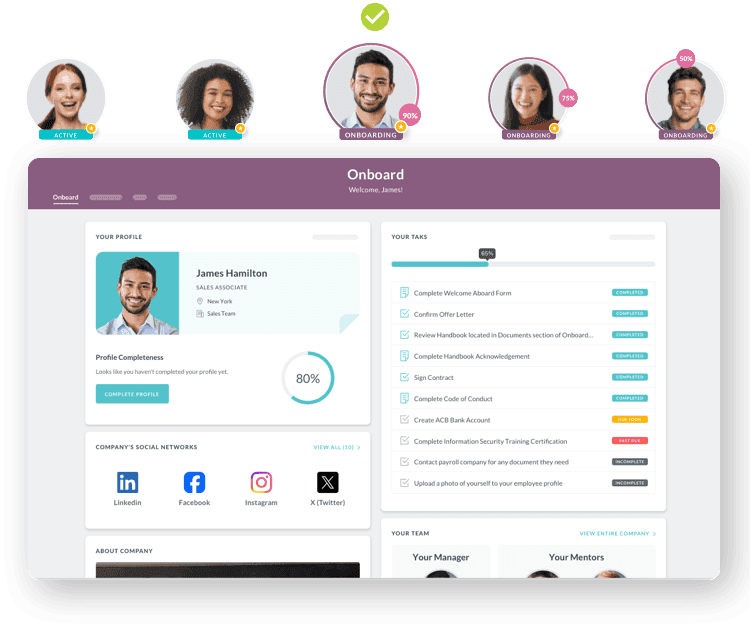
HR Cloud's customizable offer letter templates streamline the final hiring stage, allowing you to extend professional offers efficiently while tracking acceptance status and seamlessly transitioning successful candidates into your onboarding workflows.
Final Thoughts: Build a Hiring Process That Consistently Wins
Conducting effective job interviews requires more than intuition—it demands systematic preparation, structured execution, and thoughtful candidate evaluation. When you invest time in crafting compelling job descriptions, preparing strategic questions, involving team perspectives, and maintaining professional communication throughout, you dramatically increase your chances of hiring candidates who excel and stay.
The most successful organizations treat interviews as mutual evaluation opportunities. Yes, you're assessing candidate fit—but candidates are simultaneously evaluating whether your organization deserves their talent and commitment. Creating respectful, transparent, engaging interview experiences positions you as an employer of choice in an increasingly competitive talent market.
Modern applicant tracking systems like HR Cloud's Recruit ATS support this comprehensive approach by managing candidate pipelines, coordinating interview logistics, standardizing evaluation processes, and seamlessly transitioning successful candidates into automated onboarding experiences that set them up for immediate success.
Ready to transform how you identify and hire exceptional talent? Explore HR Cloud's complete hiring and onboarding platform and discover how the right tools make consistently great hiring decisions achievable at scale.

Discover how our HR solutions streamline onboarding, boost employee engagement, and simplify HR management
Book Your Free DemoCommon Interview Questions Answered
Q: How long should a job interview last?
According to current research, in-person interviews typically last between 40-45 minutes, while phone interviews average 30 minutes. Structured interviews with behavioral questions may extend to 60-90 minutes depending on role complexity and whether presentations or skills assessments are included.
Q: How many interviews should candidates complete before receiving an offer?
Research shows 2-3 interviews optimize both candidate experience and hiring quality, with 52% of candidates considering 4-5 rounds excessive. Balance thoroughness with efficiency—structured initial screening, a comprehensive second-round interview with team members, and a final conversation typically provide sufficient information for confident hiring decisions.
Q: What percentage of interviewed candidates should receive job offers?
The average interview-to-hire conversion rate is 27%, meaning approximately one in four interviewed candidates receives offers. If your conversion rate significantly exceeds this benchmark, you may need stronger pre-interview screening. Rates substantially below 27% suggest interview criteria might be unrealistic or evaluation processes need refinement.
Q: How do you avoid bias when conducting job interviews?
Implement structured interviews with standardized questions for all candidates, use objective evaluation scorecards with job-related criteria, complete assessments independently before team discussions, and avoid questions about personal characteristics unrelated to job performance. Research shows structured evaluation reduces hiring bias by 65% while improving candidate quality.
Q: Should interviews include illegal or inappropriate questions?
Never ask questions about age, race, gender, national origin, religion, disability, marital status, or family plans. These questions violate employment law and expose organizations to discrimination lawsuits. Focus exclusively on job-related qualifications, experience, skills, and behaviors that predict role success.
Q: How quickly should employers respond to candidates after interviews?
Communicate decisions within 5-7 business days following final interviews. Current data shows 61% of candidates report being ghosted during hiring processes—a practice that damages employer brands and reduces future applicant quality. Even rejection communications maintain professional relationships and strengthen reputation.
Q: Do virtual interviews disadvantage certain candidates?
Virtual interviews can create equity concerns when candidates lack quiet interview spaces or professional backgrounds. Address this by explicitly stating that home environments won't impact evaluation, offering flexibility for technical difficulties, and training interviewers to focus on verbal responses rather than visual surroundings. The key is ensuring consistent standards across all candidates regardless of interview format.
About the Author:
Daniela McVicker is a career expert and editor at Top Writers Review. She specializes in recruitment strategy and candidate experience optimization, coaching organizations on building hiring processes that attract top talent while supporting business communication and professional development initiatives.
Keep Reading


Like What You Hear?
We’d love to chat with you more about how HR Cloud® can support your business’s HR needs.
Book Your Free Demo