5 Ways Onboarding Can Improve Company Culture

New employees will typically decide whether or not they want to stay at a new company for the long haul within the first six months of starting a new position.
Retaining productive employees for the long term is one of the primary goals for many companies. It helps promote a positive company culture as well as attract higher qualified candidates in the future. An effective onboarding process for new employees is crucial in achieving these goals.
Employee onboarding is one of the most effective ways to welcome new hires into your company and to ensure their long-term success.
However, onboarding new employees the right way is far better than rushing through it incorrectly and risking losing valuable additions to your company. Let's explore the onboarding definition and how it can significantly impact your organization's culture and employee retention rates.
The Right and Wrong Ways to Onboard
Many new employees generally describe the onboarding process as "drinking out of a fire hose." This can overwhelm a new hire with extraneous information, leading to a poor onboarding experience.
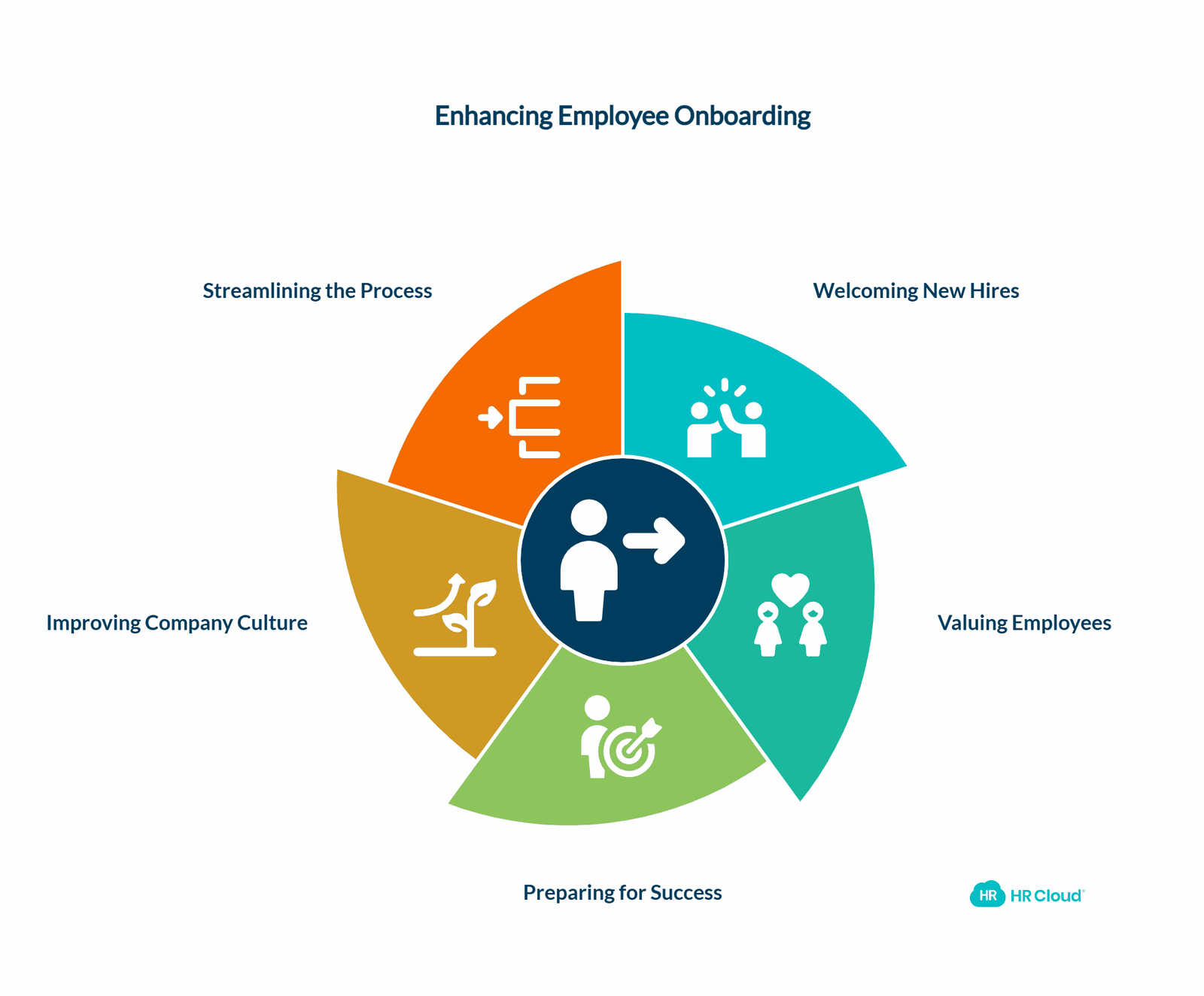
As a human resources professional or hiring manager, you should aim to improve the employee onboarding process so that it enables a new hire to feel welcomed, valued, and ready to succeed in their new role.
How do you avoid overwhelming your new hires? How do you best prepare the new additions to your team so they can achieve their goals in record time?
We have narrowed down the list of tips and tricks to the 5 best onboarding practices. These 5 onboarding process steps will help to improve your company's culture over time and create a smooth onboarding process for new employees.
1. Start Onboarding Before the Official Start Date
Everyone speaks about the importance of a new hire's first 30 days and the inevitable 90-day review. But do not forget that a new hire's journey with your company starts the moment they are hired. This is where strategic onboarding begins.
As a human resources leader or hiring manager, you need to communicate early and often about what a new hire should be on the lookout for and what to expect before their start date. Several questions need to be answered. Is there any new hire paperwork or official documents that need to be filled out? What should the new hire be expected to wear?
It is an important aspect to tell new employees what they can expect and what they should not expect on their start date. Will they be expected to start making cold calls to prospects or be interacting with customers? Will there be a full day of new hire orientation activities, or will it only last a couple of hours?
You do not want your new hire wondering the answers to these basic questions. Lack of communication at the beginning of a new position can lead to the reason for leaving it later on.
Answering these important housekeeping questions for your new hire can help calm any anxiety or stress about their start date. By communicating early and often before their official start date, they will feel valued and comfortable right from the get-go, setting the stage for a successful onboarding process.
2. Emphasize the Company Culture Right Away
An important aspect during the employee onboarding process is to introduce the new hire to the company culture. Employees who approve of a company's culture are more likely to stay than those who do not like the particular culture at a new company. Successfully onboarded employees lead to higher levels of employee engagement and new hire retention.
The onboarding process is your first opportunity to show new hires your company's values, priorities, and resources available to employees. Outline what makes your company special — whether it be the employee experiences, mission, workplace culture, and more. This is a crucial part of cultural onboarding and contributes to your employee value proposition.
Another part of emphasizing the company culture is to make the first day experience memorable and fun. No matter the seriousness of your company's mission, you want your new employees to be excited about working at your company.
Include fun ice breakers and games to alleviate the mood. Break up long sessions with fun games or quizzes to keep everyone's attention and focus. You want your employer brand to be one the employees enjoy. This approach contributes to a positive onboarding experience and sets the tone for a good onboarding process.
“Our hiring managers now have a reliable system that is easy to navigate. Our HR team can actively monitor the process, and assist if needed, but Onboard has helped them save so much valuable time and effort while increasing data accuracy.”
— Kaylee Collins, HR Analyst, Osmose

3. Encourage Employee Socialization
If you are doing an in-person onboarding for new employees, plan for a team or new hire lunch. This way, new hires can get to know other employees in a more comfortable setting.
Building connections also include introducing new hires to executive and senior leaders at your company, if possible. Schedule senior leaders to speak and answer questions during the onboarding program and highlight their vision for the company.
This helps to foster a sense of open communication between the lower and upper levels of management. This is a great, easy way to improve company culture through the onboarding process.
Socialization of new employees is especially critical during remote work. Employees are feeling more distant than ever with remote work during the pandemic. Make sure you set aside time during the onboarding process to encourage team building that is non-work related.
This can help increase employee engagement and decrease turnover rates, contributing to the overall success of your onboarding program.
4. Lay Out the Process of How Things Work
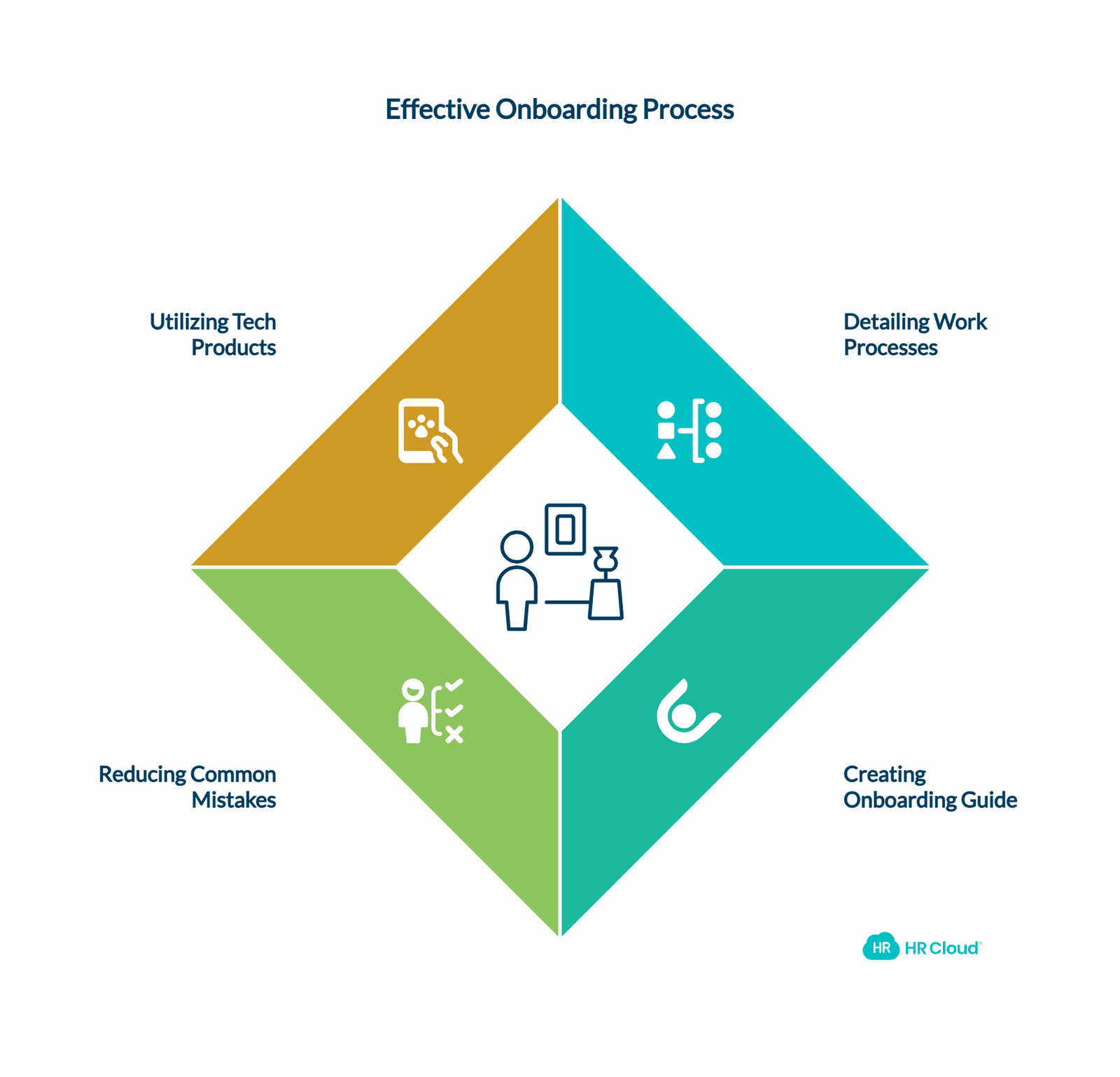
Detailing your company's work processes is a critical step in effective onboarding. After all, this is what the day-to-day routine will look like for your new hire. This step is crucial in creating a structured onboarding program.
Creating an employee onboarding guide of relevant tasks, work responsibilities, and communication processes will make new hires feel better prepared to hit the ground running. Let new hires know who the right person is to ask for common questions that they may have when starting. This guide can serve as a valuable resource throughout their job onboarding journey.
This will help a new employee avoid making common mistakes in the first few months. It can also help reduce back-and-forth emails and phone calls asking to confirm communication structures and other workflows.
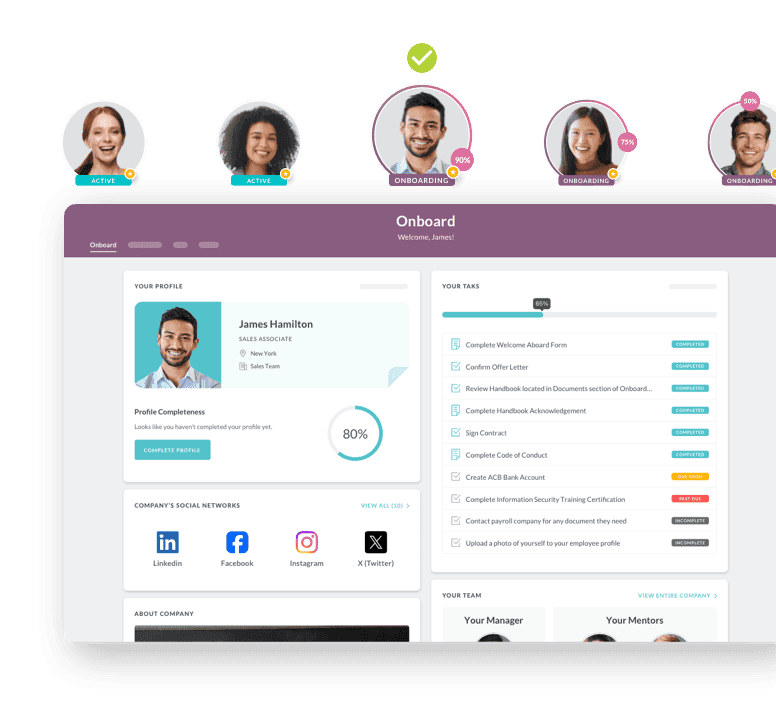
Using the right tech products is a great way to get new hires familiar with work processes and typical workflows. These tools can significantly enhance the onboarding experience and contribute to a formal onboarding process.
5. Have a Plan to Be Flexible
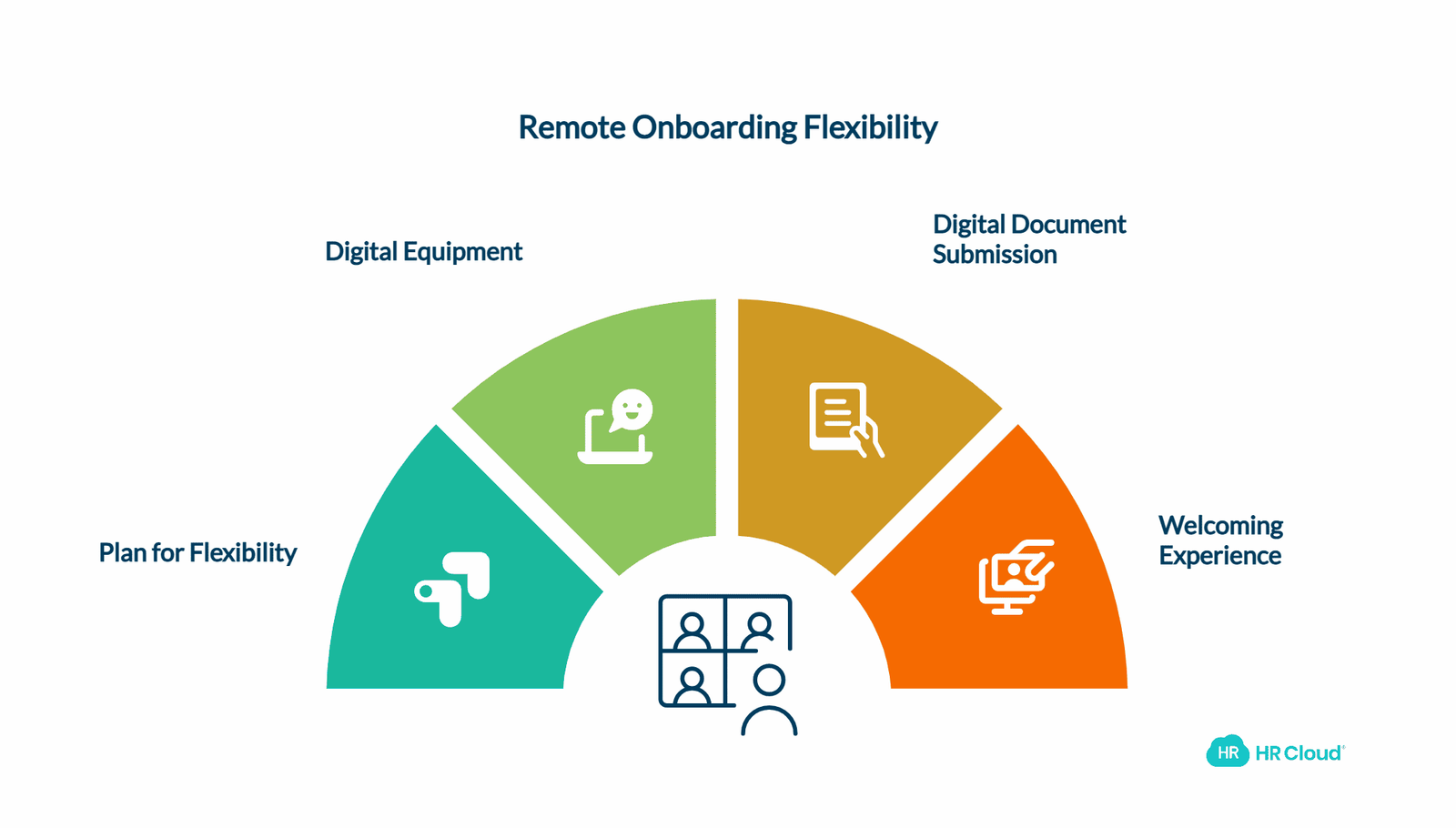
As anyone knows, even the best-laid plans can fall apart. You cannot rely on in-person onboarding anymore. COVID-19 has proven this fact beyond a reasonable doubt.
Almost 46 percent of companies have hired at least 10 new employees since the beginning of the pandemic. Many of these companies that hired new employees could not meet in person for their onboarding. They needed to quickly adjust and learn how to run a successful virtual onboarding process.
As an HR professional or hiring manager, you need to have a plan in place for any type of scenario that arises. Remote onboarding is useful because it can help take the heavy lifting off you. This allows you to focus on creating the right materials for your new hire and ensuring a smooth onboarding process regardless of the circumstances.
Make sure that if you need to host a remote onboarding, the new hires are mailed the necessary equipment. They will need to be able to submit the necessary documents digitally.
These are necessary steps to take to ensure they feel just as welcomed and included as if they were there in person. This flexibility in your employee onboarding framework can greatly enhance the new hire experience.
Why Onboarding Creates Productive Employees
There are so many benefits to improving the employee onboarding processes at your company that will help improve the company's culture over the long term. Understanding these benefits is crucial for developing a strong onboarding program.
The main benefit is that effective onboarding helps to create productive employees. When new hires learn about the company's culture, mission, workflows, and relevant processes — and they feel connected to their co-workers — they are better positioned for long term success.
Effective onboarding limits attrition for this very reason. It is much more expensive overall to spend the time looking for a new hire to fill a position than it is to retain the current employee. This highlights the importance of considering onboarding costs in relation to overall recruitment and onboarding efforts.
Another benefit of onboarding successfully is that it allows for employees to thrive from the very beginning, rather than taking extra time to learn basic tasks and responsibilities. Employee onboarding statistics show that a well-structured onboarding process can significantly improve employee performance and job satisfaction.
Improving onboarding processes helps to improve company culture, which in turn increases employee satisfaction scores.
All of these benefits of onboarding helps to retain top talent and attract higher-quality candidates in the future for open positions.
Elevate Your Onboarding Process Today
Employee onboarding is one of the most effective ways to improve your company's culture and to create productive employees and retain top talent.
When was the last time you examined your company's onboarding procedure? Is it ready to be revamped and improved to create a more successful onboarding program?
If you are interested in learning how to successfully onboard new employees within their first 30 days, we have the perfect solutions you need here at HR Cloud.
Reach out to our dedicated team of HR teams and experts to learn how your company can improve your onboarding process through the latest technology and implement best onboarding solutions. With our help, you can create a better onboarding experience that focuses on key onboarding milestones and leads to improved new hire engagement.

Discover how our HR solutions streamline onboarding, boost employee engagement, and simplify HR management
Book Your Free DemoFrequently Asked Questions
How does onboarding influence company culture in an organization?
Onboarding shapes company culture by introducing new employees to organizational values, behaviors, and expectations from the start. A well-structured onboarding process helps employees understand how the company operates and encourages them to align with its culture, leading to stronger engagement and long-term cultural consistency.
Why is onboarding important for building a strong workplace culture?
Onboarding is the first real experience employees have with company culture. When organizations clearly communicate their mission, values, and work environment early on, employees are more likely to feel connected, engaged, and motivated to contribute positively to the organization.
What role does preboarding play in shaping company culture?
Preboarding helps establish early connections before an employee’s first day. By sharing information, setting expectations, and maintaining communication, companies create a welcoming experience that builds trust and helps employees feel part of the culture even before they officially start.
How does communication during onboarding impact company culture?
Clear communication during onboarding ensures employees understand their roles, expectations, and how the organization functions. Transparent communication builds trust, reduces confusion, and encourages collaboration, all of which are essential for fostering a positive and open workplace culture.
How does onboarding help new employees build relationships at work?
Onboarding introduces employees to team members, managers, and company networks, helping them form early relationships. These connections improve collaboration, increase comfort levels, and create a sense of belonging, which strengthens overall company culture.
Why is the first day important for introducing company culture?
The first day creates a lasting impression and sets the tone for an employee’s experience. Introducing company culture early helps employees understand expectations, values, and behaviors, making it easier for them to integrate and contribute effectively.
How does structured onboarding improve employee engagement?
Structured onboarding provides clarity, guidance, and support, helping employees feel confident in their roles. When employees know what is expected and feel supported, they are more engaged, productive, and aligned with the organization’s culture and goals.
What is the connection between onboarding and employee retention?
Effective onboarding improves retention by helping employees feel comfortable, informed, and connected to the organization. When employees have a positive onboarding experience and understand company culture, they are more likely to stay longer and contribute positively.
How can flexible onboarding approaches strengthen company culture?
Flexible onboarding allows organizations to adapt to different employee needs and learning styles. This approach shows that the company values individuality, which builds trust and inclusivity, ultimately strengthening workplace culture.
What are the long-term benefits of culture-focused onboarding?
Culture-focused onboarding leads to higher engagement, stronger collaboration, and improved performance. Employees who understand and connect with company culture early are more likely to contribute positively, support team goals, and help maintain a consistent and thriving workplace environment.
About the author

Keep Reading


Like What You Hear?
We’d love to chat with you more about how HR Cloud® can support your business’s HR needs.
Book Your Free Demo