
How to Build an Effective Employee Appreciation Program

Employee appreciation isn't just a nice-to-have—it's a strategic business imperative. According to recent 2024 research, 90% of HR professionals report that effective recognition programs directly improve business results, while companies with strong recognition programs experience 31% lower voluntary turnover. Yet 66% of employees say they would leave their job if they didn't feel appreciated, and most receive recognition only a few times per year—far from the consistent appreciation that builds engaged, high-performing teams.
The challenge for HR leaders isn't whether to implement employee appreciation—it's how to do it authentically, sustainably, and in ways that resonate with today's diverse workforce, including frontline workers, remote teams, and multi-generational employees. This guide provides 13 proven appreciation strategies backed by data, along with practical implementation advice and the technology tools that make recognition seamless and scalable.
Why Employee Appreciation Matters More Than Ever
The business case for employee recognition has never been stronger. Organizations with recognition programs benefit from:
- 23% higher profitability and 21% higher productivity according to Gallup's workplace research
- $16.1 million in annual turnover cost savings for a 10,000-person company
- 14% higher employee productivity, performance, and engagement compared to organizations without programs
- 78% of employees who feel appreciated work harder and stay engaged longer
Yet while 91% of organizations have rewards programs and 94% have recognition programs, only 31% rate their program's effectiveness as "high" or "very high" according to HR.com's State of Rewards and Recognition 2024 report. The gap between having a program and having an effective program is where most organizations struggle.
Modern recognition requires the right infrastructure. HR Cloud's Workmates Recognition & Rewards platform addresses this gap with features designed for real-world HR challenges: customizable recognition badges aligned to company values, peer-to-peer and manager recognition workflows, points-based reward systems with gift card integration, mobile-first design for frontline workers, and real-time analytics that track program adoption and impact.
Let's explore 13 employee appreciation strategies that combine behavioral science, HR best practices, and the right technology to create lasting cultural change.
1. Provide a Comfortable Working Environment
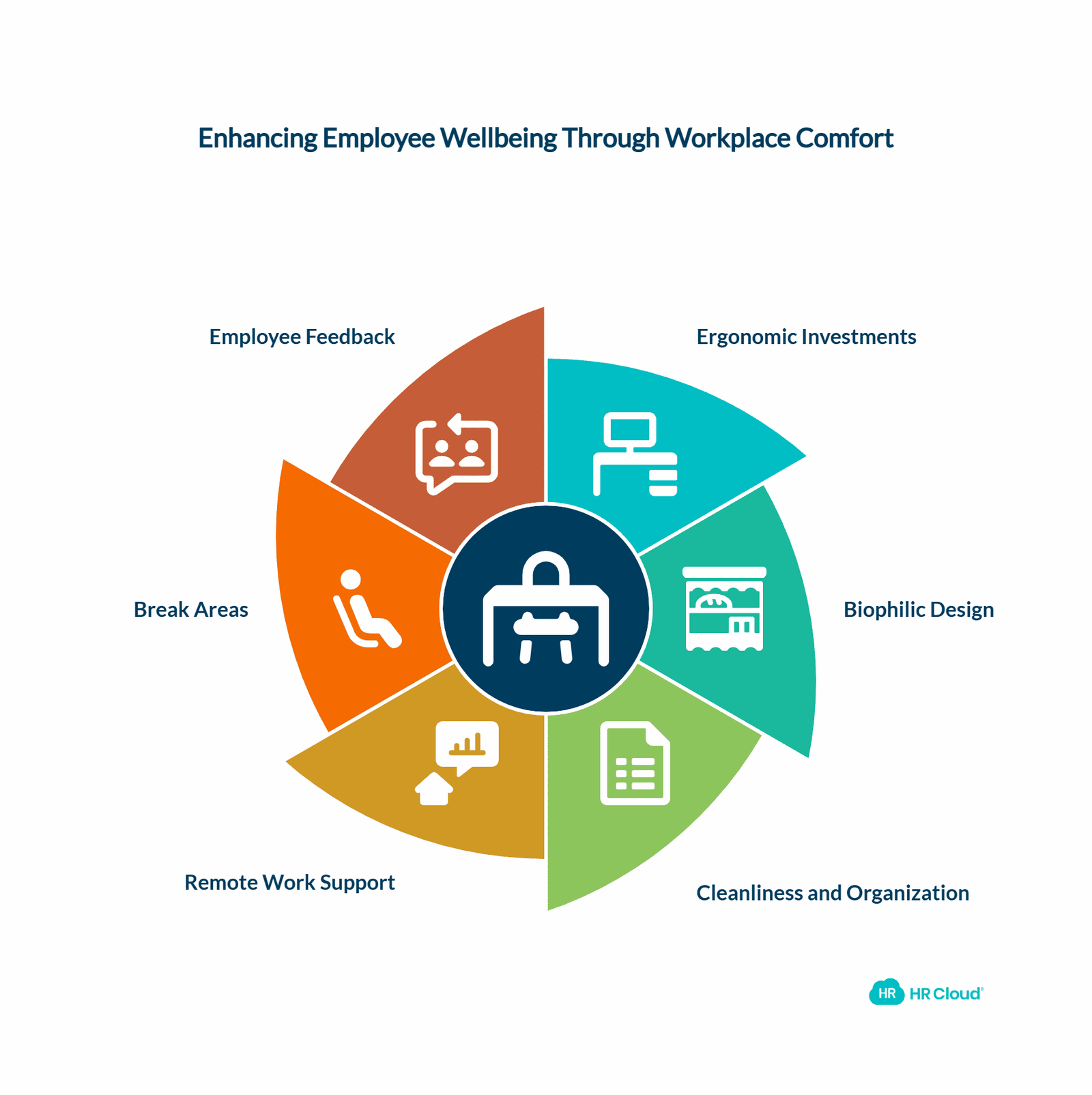
Physical and digital comfort isn't just about ergonomics—it's about demonstrating ongoing investment in employee wellbeing. The environment where people spend 40+ hours weekly directly impacts their perception of how valued they are by leadership.
Strategic Implementation:
- Invest in ergonomic chairs, adjustable desks, and proper lighting that reduces eye strain and physical discomfort
- Add biophilic design elements like indoor plants, which studies show reduce stress and improve air quality
- Maintain impeccable cleanliness and organization in shared spaces
- For remote workers, provide stipends for home office equipment or co-working space memberships
- Create comfortable break areas with quality coffee, healthy snacks, and spaces for informal collaboration
HR Cloud's Employee Self-Service portal allows employees to submit workplace improvement requests, track facilities tickets, and access resources for remote work setup guidelines—ensuring their voices are heard when it comes to workspace needs.
Why It Works: Employees who feel their basic needs are met are significantly more engaged. This foundational appreciation shows continuous care rather than sporadic gestures.
2. Regularly Ask for Employee Feedback—And Act On It
The most appreciated employees aren't those who receive the most praise—they're those whose voices truly influence decisions. Authentic appreciation means treating employees as partners, not just recipients of recognition.
Strategic Implementation:
- Deploy quarterly pulse surveys with employee feedback tools that measure specific appreciation program effectiveness. You can also use one of the SurveyMonkey alternatives, as long as your survey is simple and easy to fill out by your employees.
- Create anonymous suggestion boxes (physical and digital) that feed directly to leadership
- Hold quarterly "ask me anything" sessions where leadership responds to feedback themes
- Implement feedback loops where you publicly share what changed based on employee input
- Segment feedback by department, location, and role to identify appreciation gaps
Research from SHRM (Society for Human Resource Management) shows that only 43% of organizations regularly review their recognition program's effectiveness, and just 33% factor employee feedback into program design. Organizations that actively incorporate employee preferences into recognition strategies see measurably higher program adoption and satisfaction.
Why It Works: Asking for input is itself an act of appreciation. It signals that employee perspectives matter and that leadership values their experience enough to adapt and improve.
HR Cloud's Survey and Poll features enable continuous feedback collection with automated reporting that surfaces appreciation program gaps, all integrated with your recognition platform for seamless action.

3. Celebrate Birthdays and Work Anniversaries
Personal milestones create natural recognition moments that humanize workplace relationships. These celebrations acknowledge employees as whole people, not just productivity units.
Strategic Implementation:
- Maintain a centralized birthday and work anniversary calendar visible to all teams
- Create tiered anniversary recognition (1, 3, 5, 10, 15, 20+ years) with increasing appreciation gestures
- Personalize celebrations based on employee preferences (some prefer low-key acknowledgment, others enjoy public celebrations)
- Include remote employees via virtual celebrations or shipped gifts
- Budget for meaningful anniversary gifts: $50-100 for early milestones, $250-500 for significant tenure
- Use these moments to share employee stories and career highlights
HR Cloud's HRIS system automatically tracks birthdays and anniversaries, triggering recognition workflows and notifications so no milestone falls through the cracks. Workmates can automate anniversary posts with customized messaging that celebrates tenure and contributions.
Why It Works: Personal recognition moments create emotional connections that boost retention. Employees who feel personally valued beyond their work output develop stronger organizational commitment.
4. Provide Mental Health Days
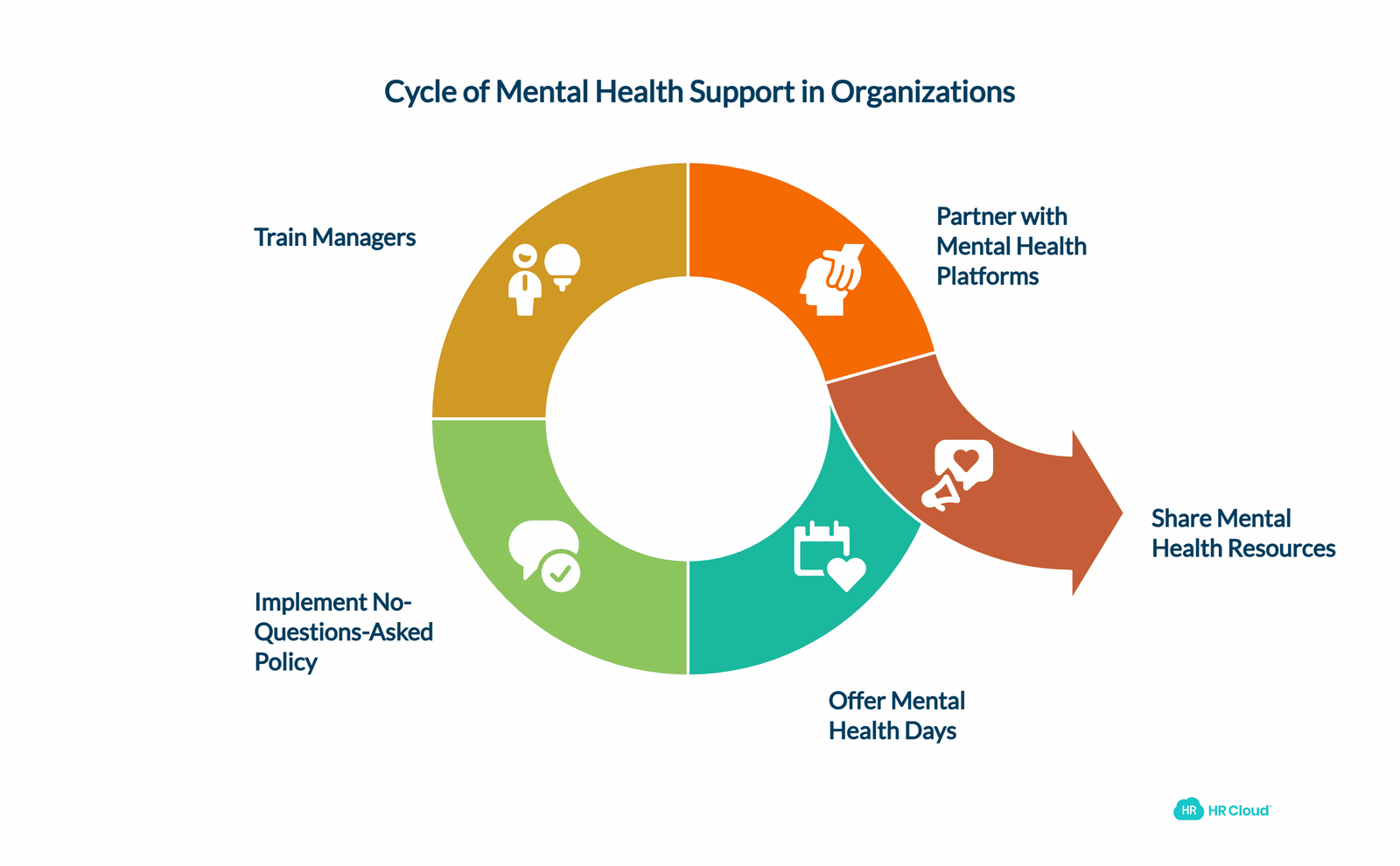
Mental health support represents some of the most meaningful appreciation an organization can offer. It signals that employee wellbeing matters more than short-term productivity.
Strategic Implementation:
- Offer 2-4 dedicated mental health days annually, separate from sick leave and PTO
- Create a no-questions-asked policy that removes stigma from mental health day usage
- Train managers to recognize signs of burnout and proactively encourage mental health breaks
- Partner with mental health platforms (Talkspace, BetterHelp, Modern Health) for ongoing support
- Share mental health resources regularly and normalize conversations about stress and wellbeing
The prevalence of employee burnout has intensified post-pandemic, with healthcare, manufacturing, and retail sectors experiencing particularly high rates. Forward-thinking organizations treat mental health support as preventive investment, not reactive accommodation.
Why It Works: Burnout is 85% less likely among workers in organizations with strong recognition and wellbeing cultures according to OC Tanner's 2024 Global Culture Report. Mental health days demonstrate that leadership values sustainable performance over short-term extraction.
5. Be Flexible With Paid Time Off
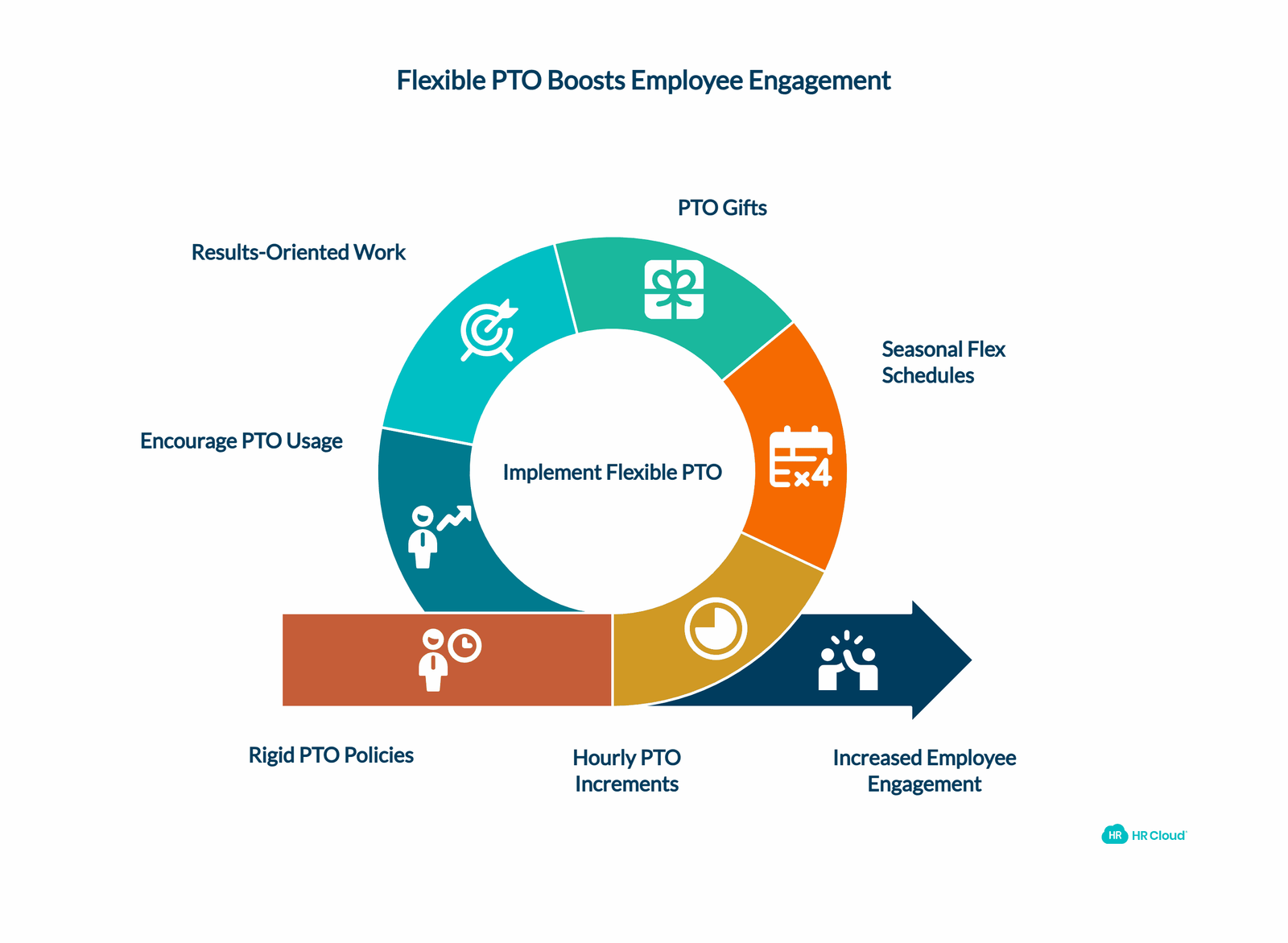
Time is the ultimate scarce resource. Giving employees control over their time demonstrates trust and appreciation for their autonomy.
Strategic Implementation:
- Implement flexible PTO policies that allow hourly increments (half-days, early departure, late arrival)
- Offer summer Friday programs or seasonal flex schedules
- Create "surprise and delight" PTO gifts for project completion or exceptional performance
- Adopt results-oriented work environments (ROWE) where outcomes matter more than hours logged
- Ensure managers actively encourage PTO usage and model healthy time-off behavior
HR Cloud's Time Off management system provides employees with real-time PTO balance visibility, easy request workflows, and team calendars that make scheduling time off frictionless. Mobile access ensures frontline workers can request time off as easily as office employees.
Why It Works: Flexibility signals trust. Organizations that empower employees with autonomy over their schedules see higher engagement and lower burnout.
6. Cater Lunch or Provide Snacks
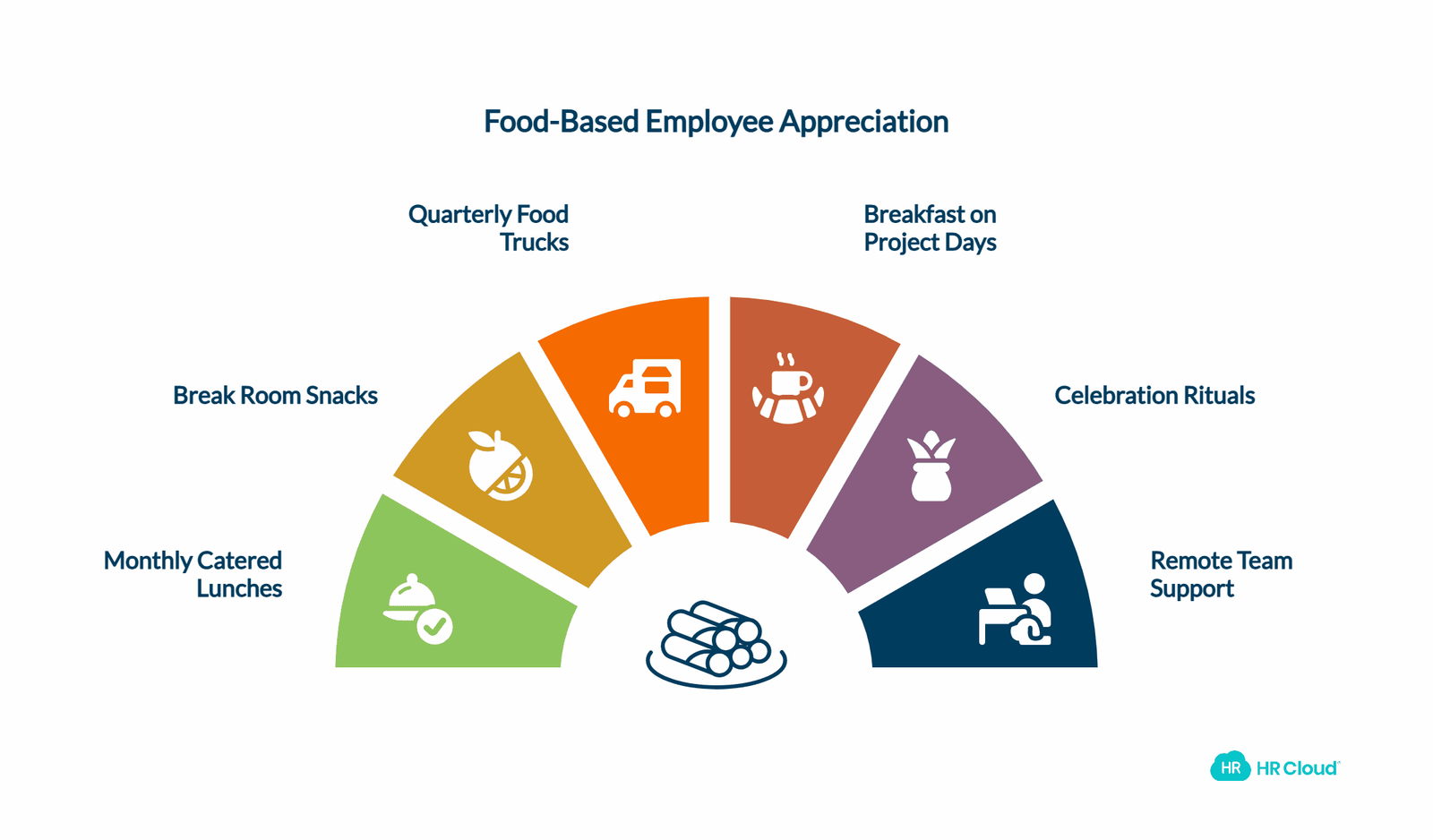
Food-based appreciation creates communal experiences that break down hierarchies and foster connection. When done thoughtfully, meal programs become anticipated rituals that boost morale.
Strategic Implementation:
- Schedule monthly catered lunches featuring local restaurants or diverse cuisines
- Stock break rooms with healthy snacks, fresh fruit, premium coffee, and dietary-inclusive options
- Bring food trucks on-site quarterly for novelty and variety
- Provide breakfast on particularly demanding project days
- Create celebration rituals around food (project completion meals, quarterly BBQs)
- For remote teams, send meal delivery gift cards or virtual lunch stipends
Budget Guidance: Most companies allocate $500-2,000/month for food appreciation for a 100-person team, or $5-20 per employee monthly.
Why It Works: Sharing meals taps into fundamental human bonding behavior. Food-based appreciation feels personal and generous, creating positive associations with workplace culture.
7. Make Celebrating Achievements the Norm
One-off recognition events ring hollow. Sustainable appreciation requires embedding celebration into daily operations and making positive feedback the default response to good work.
Strategic Implementation:
- Train all managers on constructive feedback delivery that balances coaching with appreciation
- Send company-wide emails highlighting team achievements with specific impact details
- Create recognition rituals in team meetings (start with wins, celebrate progress)
- Implement peer nomination programs where employees recognize each other
- Share customer success stories that highlight employee contributions
- Use data dashboards to celebrate metric improvements and goal achievement
Employees who receive recognition only a few times a year are 2x more likely to leave, while those recognized at least monthly through digital platforms are twice as likely to feel productive and engaged according to Achievers Workforce Institute research. Frequency matters more than magnitude—small, consistent recognition beats infrequent grand gestures.
Workmates social recognition feed makes celebrating achievements frictionless. Managers and peers can give recognition through customizable badges aligned to company values, with public visibility that amplifies appreciation. Every recognition post can include points that employees redeem for rewards, creating tangible appreciation alongside social recognition.
Why It Works: Regular recognition creates a culture where appreciation becomes habit, not exception, driving sustained engagement improvements.
8. Speak Out Against Discrimination
Appreciation means nothing to employees who don't feel safe, respected, or included. Taking strong, visible stands against discrimination signals that every employee's dignity and humanity matters.
Strategic Implementation:
- Develop comprehensive DEI strategies with executive sponsorship and measurable goals
- Implement anonymous reporting systems for discrimination and harassment with swift investigation protocols
- Provide regular inclusion training for all employees and specialized training for managers
- Celebrate cultural heritage months with educational programming and employee storytelling
- Create employee resource groups (ERGs) with budget and leadership visibility
- Publicly communicate zero-tolerance policies and action taken when violations occur
- Review HR policies for bias and update language, benefits, and practices to be maximally inclusive
Why It Works: Employees who feel they belong are 78% more likely to be engaged. Marginalized employees particularly value workplaces that proactively demonstrate commitment to their safety and advancement. McKinsey research on diversity and inclusion consistently shows that diverse, inclusive organizations outperform competitors financially while attracting and retaining top talent.
9. Offer Career Advancement Opportunities
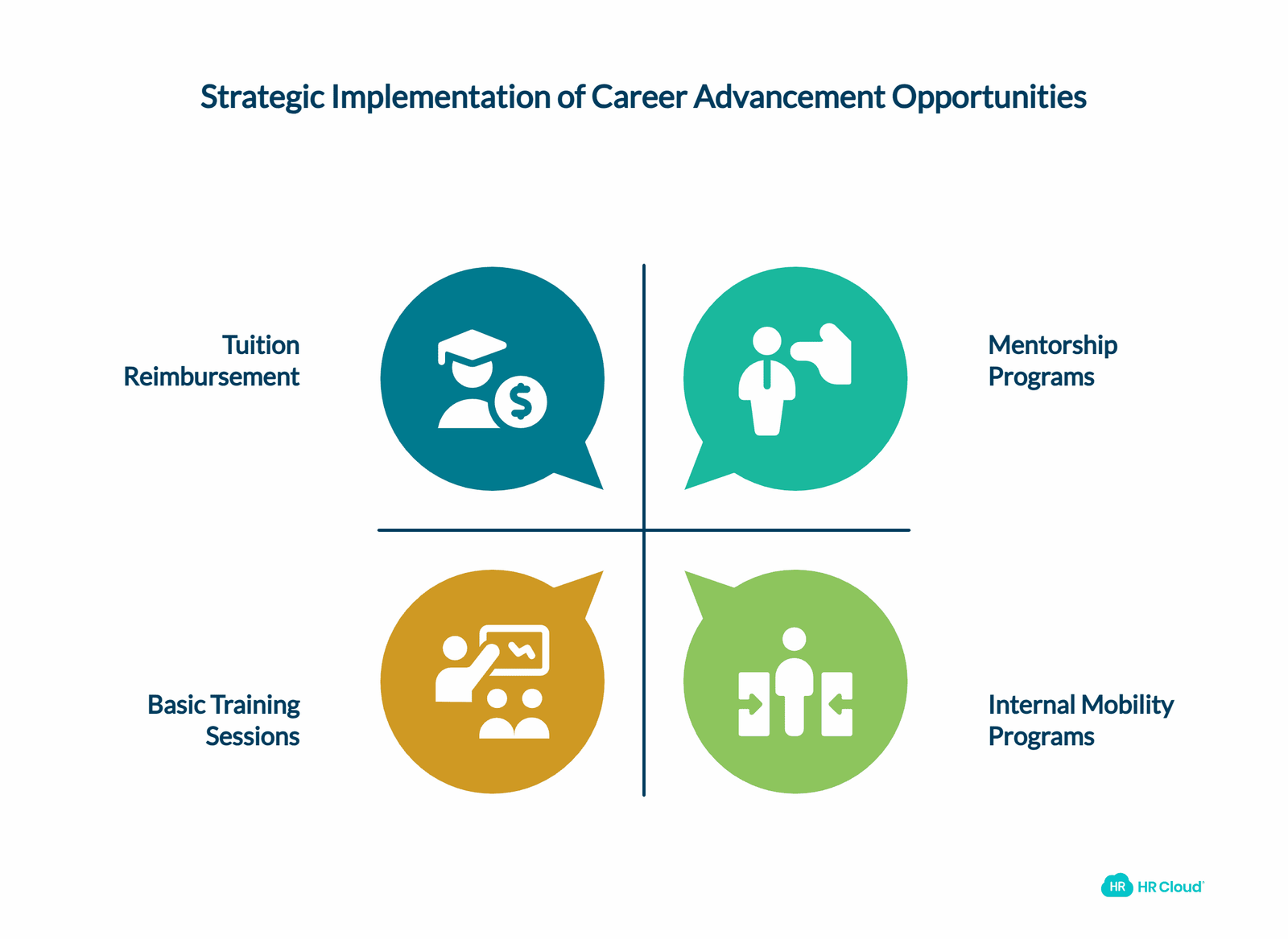
The most sophisticated form of appreciation is investing in employees' futures. Career development signals that you value employees beyond their current role and want them to grow with your organization.
Strategic Implementation:
- Create transparent career pathing frameworks that show progression possibilities
- Offer annual professional development budgets ($500-2,000 per employee)
- Provide tuition reimbursement for degrees aligned with career goals
- Implement mentorship programs pairing senior leaders with high-potential employees
- Support professional certification attainment (HR certifications, technical credentials, industry-specific qualifications)
- Create internal mobility programs that prioritize promoting from within
- Offer stretch assignments and job rotations that build diverse skill sets
Industry-Specific Examples:
- Healthcare: Clinical certification support, continuing education credits, specialty training
- Manufacturing: Lean Six Sigma training, technical upskilling, safety leadership certifications
- Retail: Management training programs, customer service excellence certifications
- Construction: Safety certifications, project management training, trade apprenticeships
Why It Works: Employees who see clear growth paths are significantly more likely to stay engaged and committed long-term. Career investment demonstrates appreciation for potential, not just current contribution.
10. Give Career-Based Incentives
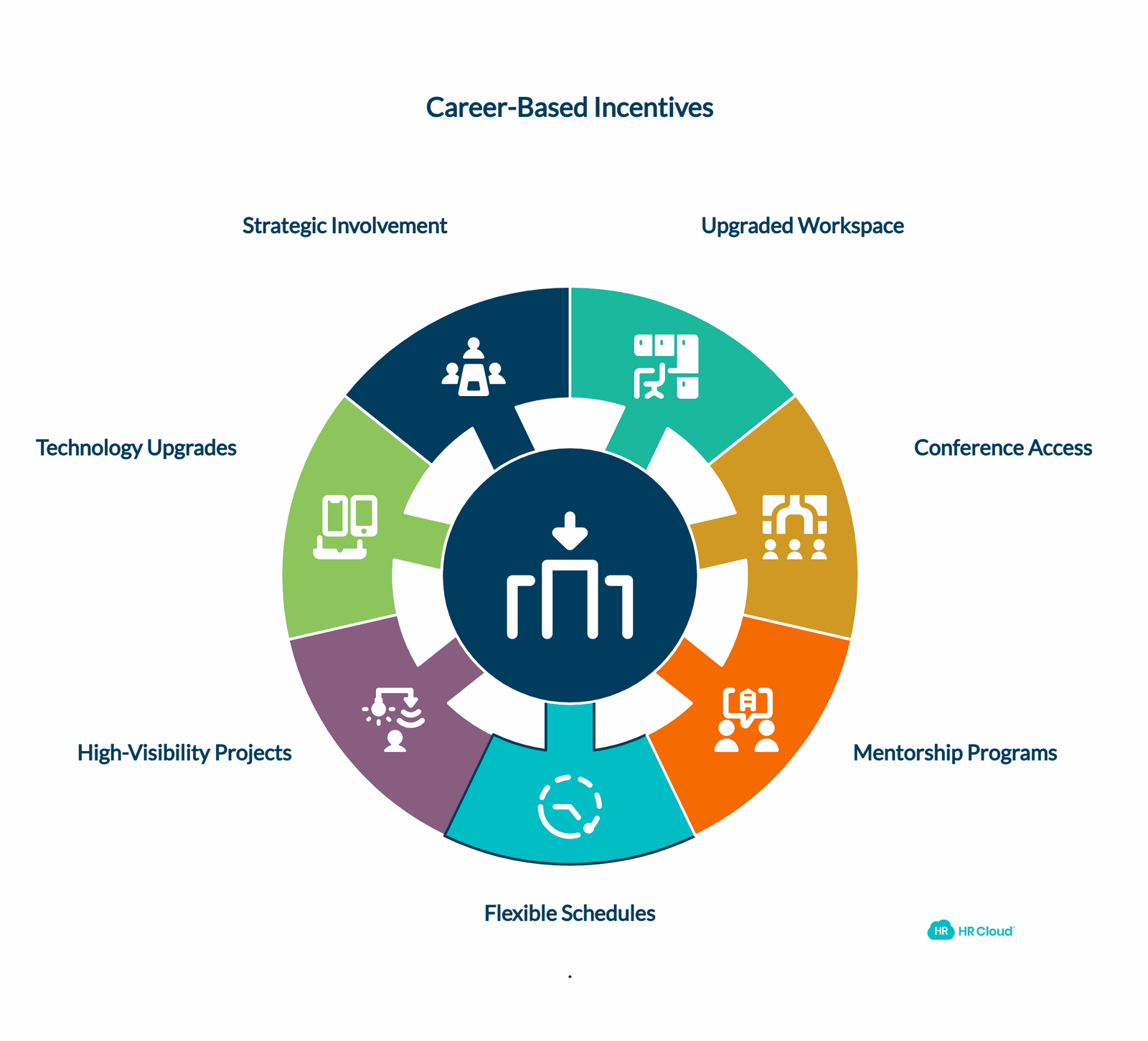
Tangible career perks demonstrate appreciation through resources that directly improve daily work experience and professional impact.
Strategic Implementation:
- Offer private offices or upgraded workspace for high performers
- Provide access to industry conferences with speaking or networking opportunities
- Create executive mentorship pairings for emerging leaders
- Grant flex schedule privileges that enable better work-life integration
- Allow ownership of high-visibility projects that build resumes and skills
- Offer upgraded technology (laptop, phone, productivity tools) for consistent excellence
- Provide first access to new initiatives or strategic planning involvement
Why It Works: Career-based rewards appreciate employees in ways that compound—better tools, visibility, and access create ongoing benefits that feel more substantial than one-time bonuses.
11. Establish a Comprehensive Employee Recognition Program
While individual appreciation tactics matter, an integrated recognition program provides the infrastructure that makes consistent, equitable, and scalable appreciation possible.
Strategic Implementation:
- Define clear recognition criteria tied to company values and behaviors you want to reinforce
- Create tiered recognition (peer, manager, executive, company-wide) with appropriate visibility
- Implement points-based reward systems where recognition translates to tangible rewards
- Offer diverse reward redemption options (gift cards, experiences, donations, extra PTO, merchandise)
- Use technology platforms that make giving and receiving recognition effortless
- Track program participation and impact through analytics dashboards
- Ensure mobile accessibility for frontline and remote workers
- Gamify recognition with leaderboards, challenges, and friendly competition.
HR Cloud's Workmates Recognition & Rewards Solution:
HR Cloud's Workmates Recognition & Rewards provides enterprise-grade infrastructure for recognition programs:
- Custom Badge Creation: Design recognition badges aligned to your company values (teamwork, innovation, customer focus) with branded imagery and messaging
- Social Recognition Feed: Facebook-style feed where recognition is publicly visible, with likes, comments, and reactions that amplify appreciation
- Points & Rewards: Integrate recognition with point-earning that employees redeem for gift cards, company swag, or custom rewards catalog
- Peer-to-Peer & Manager Recognition: Enable recognition at all levels with permission-based point distribution
- Mobile-First Design: Frontline workers in healthcare, manufacturing, and retail can give and receive recognition from any device
- Analytics Dashboard: Track recognition frequency, point distribution equity, program adoption, and identify employees who may be under-recognized
- Automated Workflows: Birthday and anniversary recognition happens automatically with customizable messaging
Program ROI: 90% of HR professionals report that effective recognition programs improve business results, and 91% see positive retention impact according to Reward Gateway's employee engagement research.
Why It Works: Systematic recognition programs remove the burden from managers' memory and ensure appreciation happens consistently and equitably across all teams and locations. Harvard Business Review research on recognition and appreciation emphasizes that recognition programs succeed when they become embedded cultural habits rather than occasional initiatives.
12. Offer Wellness Perks Like Gym Memberships
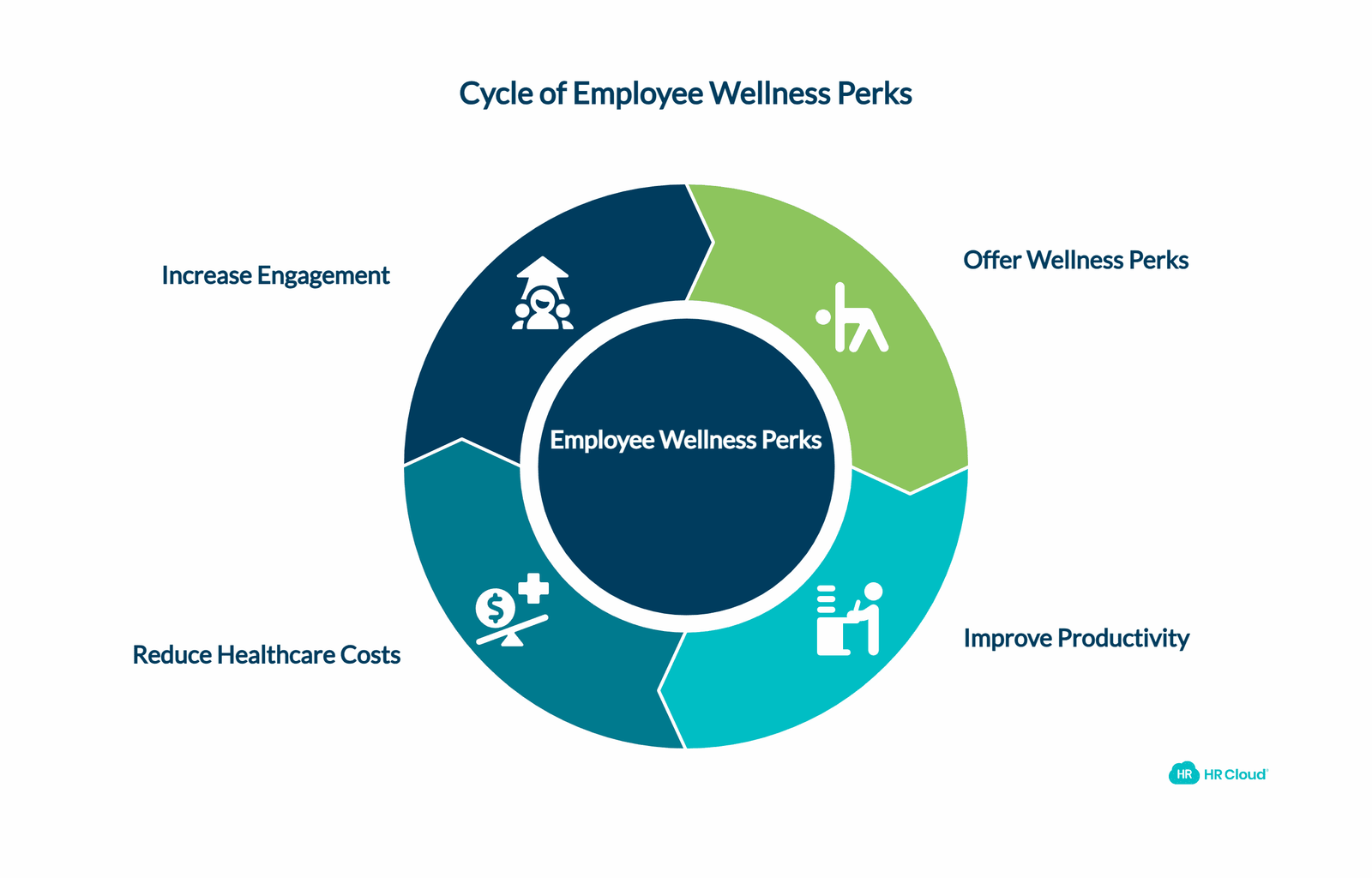
Physical health support demonstrates holistic appreciation for employee wellbeing. These benefits signal that you value employees' long-term health beyond immediate productivity.
Strategic Implementation:
- Provide subsidized or free gym memberships through corporate partnerships (Anytime Fitness, Planet Fitness)
- Build or sponsor on-site fitness facilities if space and budget allow
- Offer class pass memberships that include yoga, cycling, boxing, and boutique fitness
- Provide wellness stipends ($300-600 annually) that employees customize for their preferred wellness activities
- Organize company fitness challenges with rewards for participation
- Partner with wellness apps offering meditation, nutrition coaching, or mental fitness
Why It Works: Organizations investing in employee wellness see improved productivity, reduced healthcare costs, and higher engagement. Wellness perks demonstrate long-term investment in employee health. CDC workplace wellness research shows that comprehensive wellness programs yield $3.27 in medical cost savings for every dollar spent.
13. Get Social—Share Employee Achievements
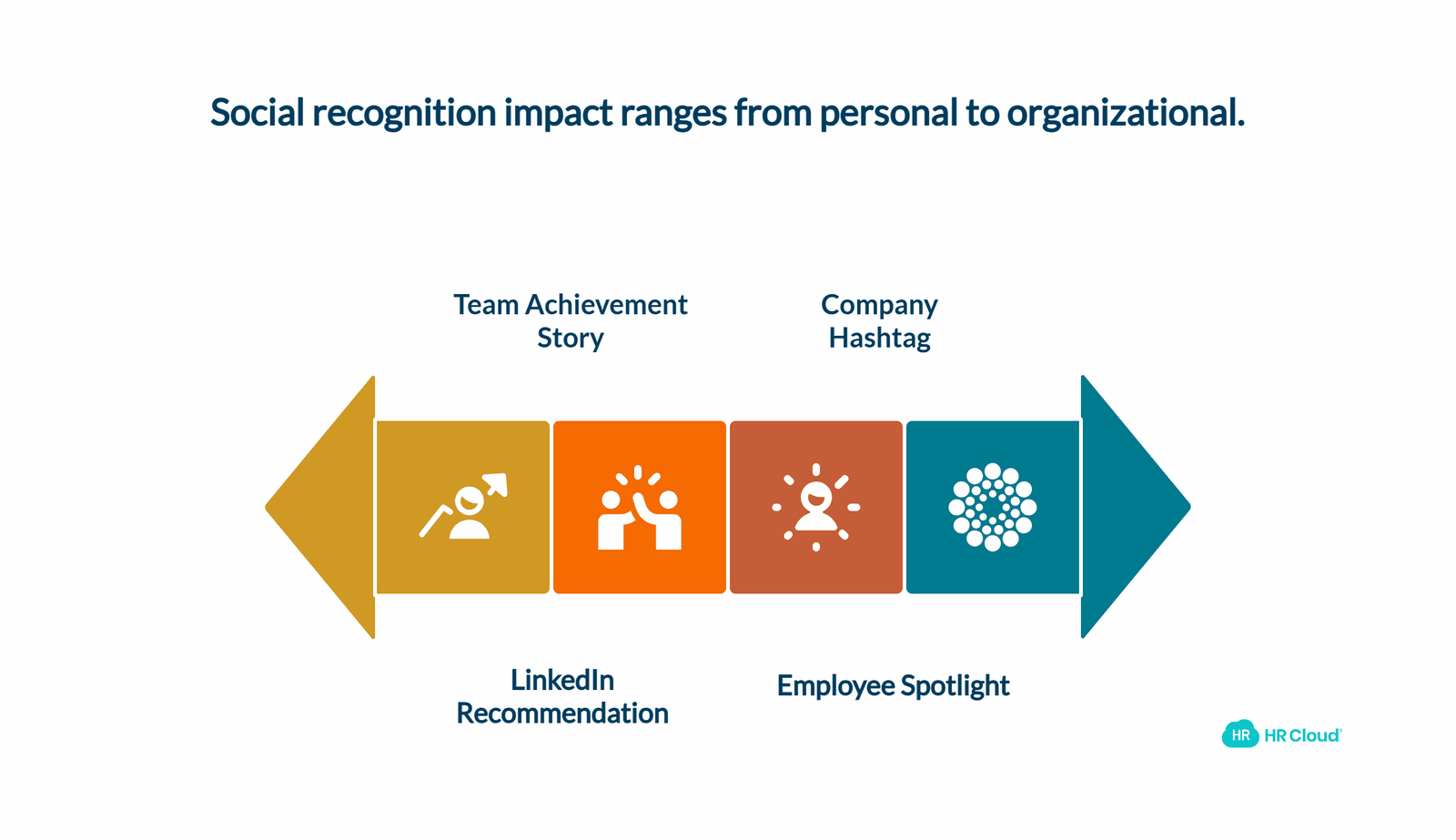
Social recognition multiplies appreciation impact by making it visible to wider audiences, building individual reputation and organizational pride simultaneously.
Strategic Implementation:
- Feature employee spotlights on company social media (LinkedIn, Instagram, Facebook) highlighting achievements and contributions
- Create "Employee of the Month" features with professional photos and detailed success stories
- Write glowing LinkedIn recommendations for high performers (these benefit both employee and company brand)
- Share team achievement stories tied to business outcomes in company newsletters
- Use internal social media features like Workmates to amplify recognition across the organization
- Tag employees in relevant posts and celebrate milestones publicly (with permission)
- Create company hashtags employees can use to share their own stories
Employer Branding Connection: Social recognition serves dual purposes: appreciating existing employees while attracting future talent. Companies with visible appreciation cultures see improved employer branding and easier recruiting.
Why It Works: Public recognition provides lasting value—LinkedIn recommendations boost careers beyond current employment, and social media visibility builds professional reputation that employees deeply value.
Implementation: Making Recognition Systematic and Sustainable
Understanding appreciation strategies is different from successfully implementing them. Here's how to move from ideas to sustained cultural change:
Start With Assessment:
- Survey employees about current recognition satisfaction and preferences
- Identify recognition gaps across departments, locations, and employee segments
- Review budget allocation for recognition programs
- Analyze current turnover and engagement data to establish baseline
Build Infrastructure:
- Select employee recognition technology that fits your workforce (office, remote, frontline)
- Train all managers on recognition best practices and platform usage
- Establish recognition budgets with clear allocation rules
- Create recognition program guides and communication plans
Launch Strategically:
- Begin with pilot programs in departments with high buy-in
- Measure early results and gather feedback for refinement
- Create ambassador programs where enthusiastic employees model recognition behaviors
- Communicate program purpose, mechanics, and expected impact clearly
Measure and Iterate:
- Track program participation rates, recognition frequency, and reward redemption
- Monitor impact on engagement surveys, retention data, and productivity metrics
- Survey employees quarterly about program effectiveness
- Share success stories and data to maintain momentum
- Adjust based on what's working and where gaps persist
Common Implementation Pitfalls to Avoid:
- Leadership failing to participate visibly in recognition (this kills programs faster than anything)
- Inequitable recognition distribution that favors certain teams/demographics
- Overly complex platforms that create friction
- Insufficient budget allocation that makes rewards feel token
- Launching programs without training or context
- Treating recognition as HR responsibility rather than manager competency
Recognition Program Budget Template (100-Person Organization):
- Platform costs: $300-500/month ($3,600-6,000 annually)
- Reward budget: $50-100/employee ($5,000-10,000 annually)
- Events and celebrations: $2,000-4,000 annually
- Training and development: $1,000-2,000 annually
- Total: $11,600-22,000 annually (1.2-2.2% of $1M payroll)
- ROI: 5-10x through reduced turnover and increased productivity
“The platform connects associates to each other in a way that doesn’t happen through email.”
— Gail Gust, Director of Marketing and Business Development

The Final Word: Always Be Authentic
The most sophisticated recognition programs fail without one critical ingredient: authenticity. Employees possess finely-tuned BS detectors—they can distinguish genuine appreciation from performative gestures instantly.
Authentic appreciation requires:
- Specificity: Generic praise means little. Highlight specific contributions and their business impact.
- Timeliness: Recognition given months after achievement feels obligatory, not genuine.
- Consistency: Sporadic appreciation creates cynicism. Make it systematic.
- Equity: Recognition must reach all employee levels, not just those most visible to leadership.
- Cultural Integration: Appreciation must align with actual company values, not aspirational ones never practiced.
When recognition meets key quality pillars—authenticity, timeliness, equity, and cultural alignment—employees are up to 7x more engaged according to Gallup's research on recognition quality.
The organizations winning the talent war aren't necessarily those with the biggest recognition budgets. They're organizations where appreciation is woven into daily operations, where leadership models gratitude, where technology makes recognition effortless, and where every employee—from C-suite to frontline—feels genuinely valued for their contributions.
Ready to Transform Your Recognition Strategy?
Building world-class appreciation culture requires the right infrastructure. Book a demo of HR Cloud's Workmates Recognition & Rewards platform to see how leading organizations automate recognition, track program impact, and create cultures where appreciation thrives.
Start by exploring how HR Cloud's employee engagement solutions can help you implement these 13 appreciation strategies systematically and effectively.

Experience how Workmates can transform communication and strengthen culture—all in one powerful platform
Book Your Free DemoRelated Resources:
- What is Employee Recognition? Plus Examples
- 8 Employee Engagement Strategies for Improved Workplace Environment
- 8 Things to Celebrate in the Workplace to Improve Employee Motivation
- Employee Appreciation Day Ideas
Frequently Asked Questions
What are creative employee appreciation ideas in the workplace?
Creative employee appreciation ideas are unique and engaging ways organizations recognize employee contributions beyond traditional rewards. These can include personalized recognition, themed celebrations, surprise rewards, or team experiences. Creative approaches make appreciation more meaningful and memorable, helping employees feel genuinely valued and connected to the organization.
Why is employee appreciation important for engagement and retention?
Employee appreciation is important because it directly impacts motivation, engagement, and retention. When employees feel recognized for their efforts, they are more likely to stay committed and perform at a higher level. Consistent appreciation also builds a positive workplace culture and reduces turnover.
What are some simple but effective employee appreciation ideas?
Simple ideas include personalized thank-you messages, public recognition during meetings, flexible work options, and small rewards like gift cards or extra time off. Even small gestures can have a significant impact when they are timely and sincere, helping employees feel valued without requiring large budgets.
How can companies make employee appreciation more creative?
Companies can make appreciation more creative by tailoring recognition to individual preferences, organizing themed events, or introducing gamified recognition programs. Adding variety and personalization ensures employees remain engaged and excited about recognition initiatives instead of seeing them as routine or repetitive.
What role does personalization play in employee appreciation?
Personalization makes recognition more meaningful by aligning appreciation with what employees value most. Some employees may prefer public recognition, while others may appreciate private acknowledgment or flexible rewards. Personalized appreciation strengthens emotional connection and increases the impact of recognition efforts.
How can managers show appreciation to their teams regularly?
Managers can show appreciation by recognizing achievements in real time, providing positive feedback, and celebrating milestones. Regular check-ins, acknowledgment during meetings, and consistent encouragement help employees feel supported and motivated in their daily work.
What are low-cost employee appreciation ideas for small businesses?
Small businesses can implement low-cost ideas such as handwritten notes, team shout-outs, flexible schedules, or informal celebrations. These gestures require minimal investment but still create a strong sense of appreciation and belonging among employees.
How can companies appreciate remote or hybrid employees creatively?
Organizations can appreciate remote employees through virtual events, digital recognition platforms, online games, and surprise deliveries. Public recognition in team channels or virtual meetings also helps remote workers feel included and valued, strengthening engagement across distributed teams.
What are the benefits of creative employee appreciation strategies?
Creative appreciation strategies improve employee morale, boost engagement, and strengthen workplace relationships. They also help organizations stand out as great places to work, which supports talent attraction and retention. Engaged employees are more productive and contribute positively to company culture.
How can HR teams build a culture of appreciation in the workplace?
HR teams can build a culture of appreciation by integrating recognition into daily workflows, encouraging peer-to-peer recognition, and aligning appreciation with company values. Providing tools and platforms for easy recognition also ensures that appreciation becomes a consistent part of the employee experience.
About the author

Keep Reading


Like What You Hear?
We’d love to chat with you more about how HR Cloud® can support your business’s HR needs.
Book Your Free Demo