
What You Need to Know About Your Next Boss: The Chief of Work

The workplace is undergoing its most significant transformation in decades. As organizations navigate hybrid work models, distributed teams, and rapidly evolving technology, a new executive role is emerging to align talent, technology, and workplace strategy under one unified vision: the Chief of Work.
Originally predicted in workplace studies from 2014 to 2015, this concept has evolved dramatically in recent years. Today's organizations are realizing that the traditional siloed approach—where HR manages people, IT handles technology, and operations oversees facilities—no longer serves the integrated employee experience that drives performance and retention.
The Evolution of Workplace Leadership
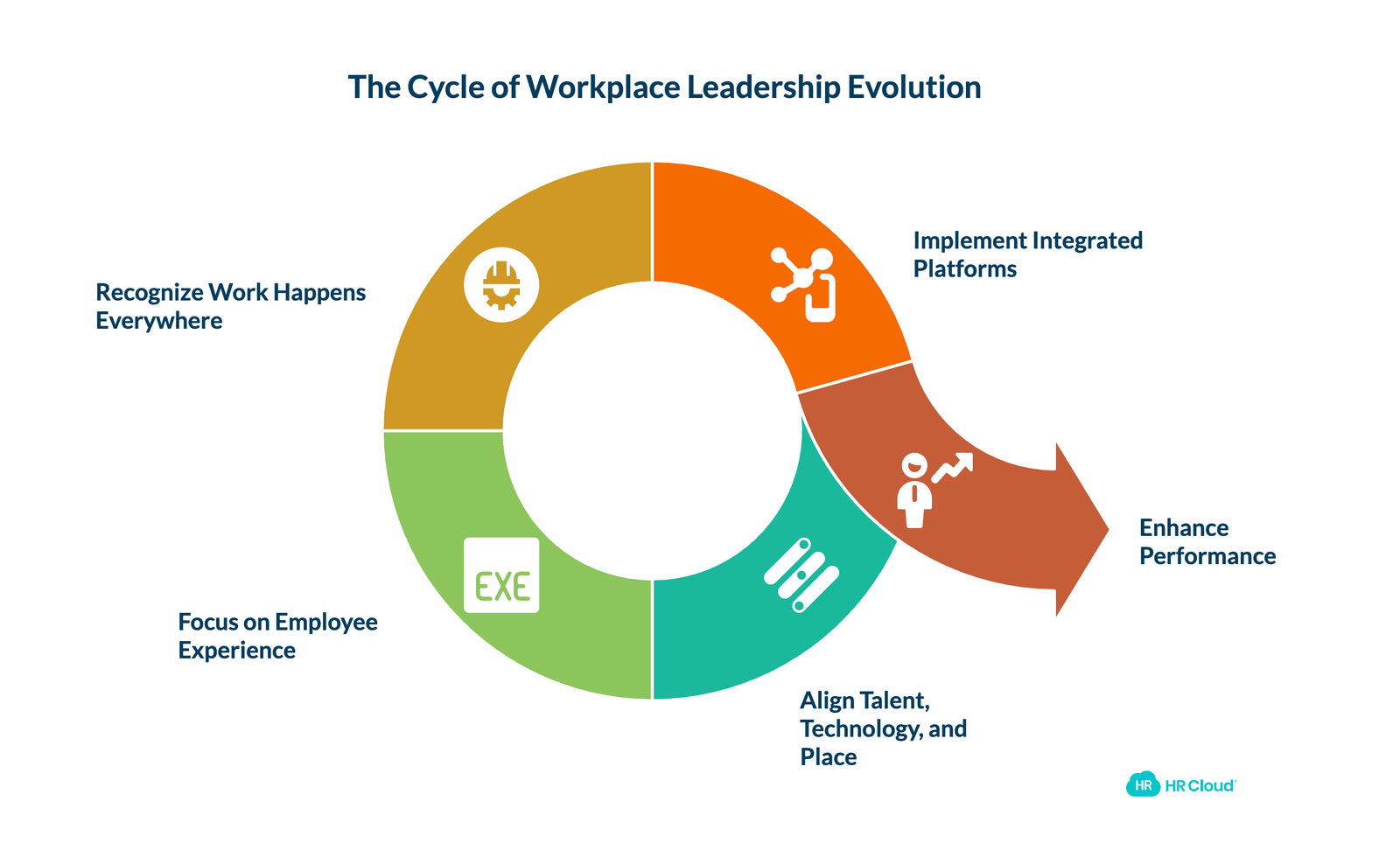
A 2014 CBRE study examining the workplace of 2030 first introduced the concept of aligning "talent, technology, and place" under strategic leadership. According to workplace strategy director Peter Andrew, the Chief of Work would focus on "the complete experience of working for the company, and how that affects performance."
What makes this role particularly relevant today is its recognition that work happens everywhere—not just in corporate offices. With 92% of organizations now using hybrid work models according to CBRE's 2024-2025 Global Workplace Insights, the need for integrated workplace experience strategy has never been more critical.
Modern platforms like HR Cloud's Workmates demonstrate this integrated approach by combining employee communication, recognition, and engagement tools that work seamlessly across office, remote, and frontline environments.
Why the Chief of Work Matters Now
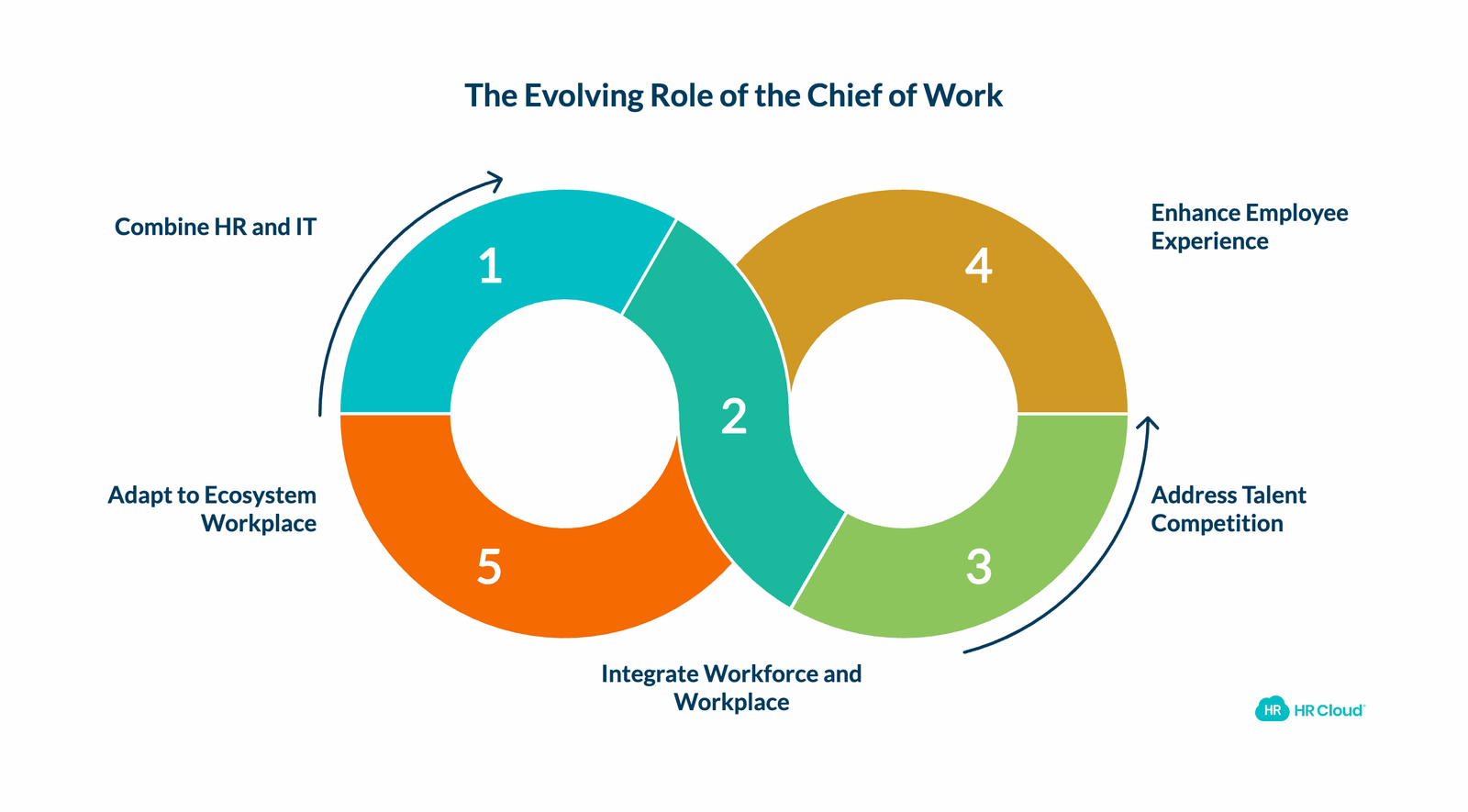
The concept isn't just theoretical anymore. Companies like Moderna recently combined their HR and IT departments under a unified "Chief People and Digital Technology Officer," while other organizations are creating "Chief People and Places" roles that integrate workforce and workplace strategy.
This evolution reflects several critical workplace trends:
Talent competition is intensifying. According to CBRE research, the ability to attract and retain top talent will be the top competitive advantage for businesses in 2030, followed by innovation, adaptability, and technology adoption. Organizations need executive-level focus on the entire employee experience, not just isolated HR functions.
The workplace is now an ecosystem, not a location. Today's work environment includes corporate offices, co-working spaces, home offices, and mobile access points. Employee engagement platforms like HR Cloud enable consistent communication and culture across all these touchpoints.
Technology and people strategy must align. The rise of AI, collaboration platforms, and digital workflows means HR and IT can no longer operate independently. Organizations need leaders who understand both human dynamics and technological capabilities.
Employee expectations have evolved. Post-pandemic workers expect flexibility, purpose-driven culture, and seamless digital experiences. According to McKinsey's research on the future of work, meeting these expectations requires coordinated strategy across multiple departments.
The Role of the Chief Culture Officer—Expanded
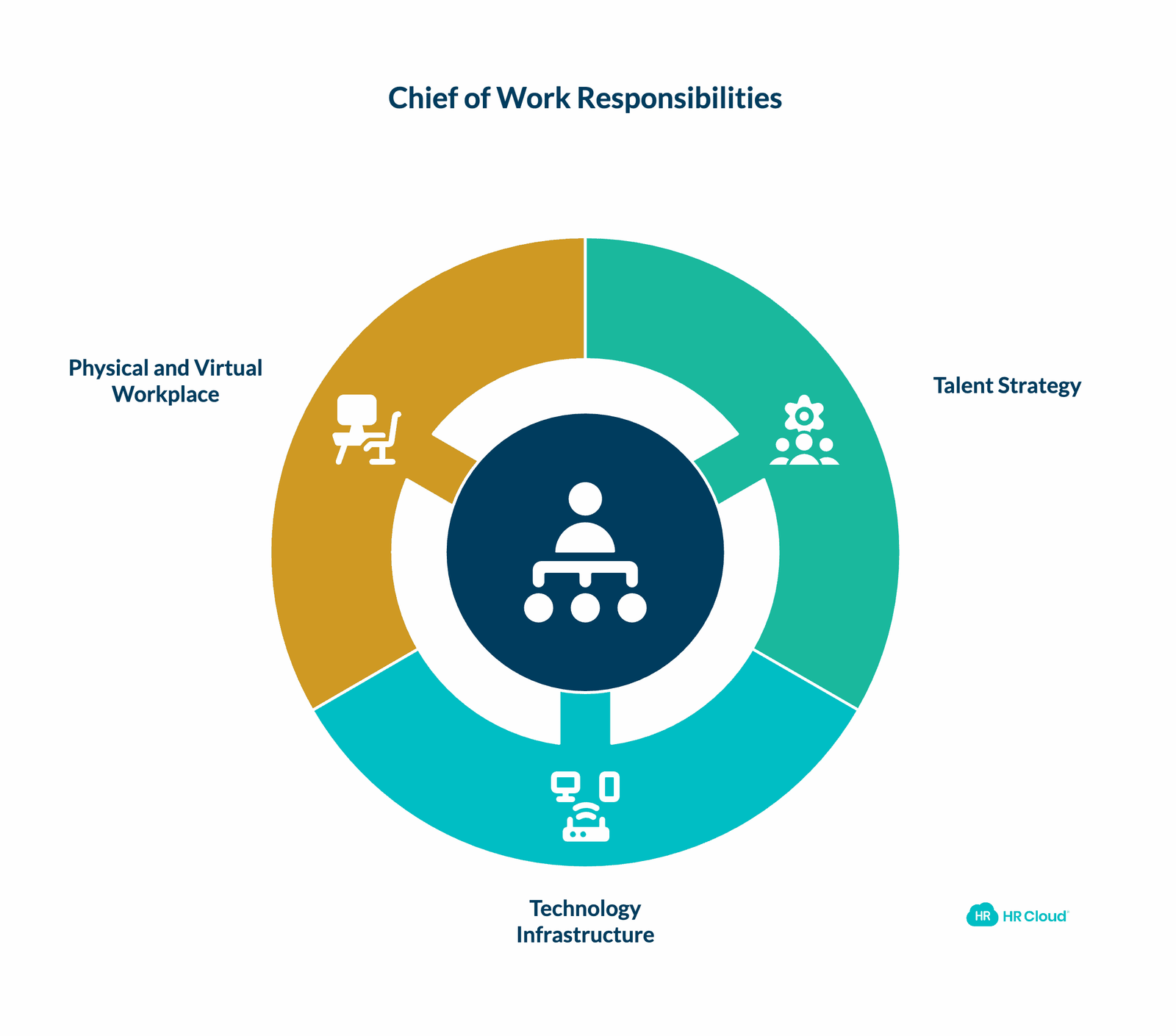
The Chief of Work concept builds on the existing Chief Culture Officer role, which ensures organizational strategies align with company mission and business objectives while nurturing culture. However, the Chief of Work takes this further by actively integrating three traditionally separate domains:
1. Talent Strategy (Traditionally CHRO)
- Workforce planning and talent acquisition
- Employee development and performance management
- Culture building and engagement initiatives
- Diversity, equity, and inclusion programs
2. Technology Infrastructure (Traditionally CIO)
- Digital workplace tools and platforms
- Collaboration and communication systems
- Employee experience technology
- Data analytics and insights
3. Physical and Virtual Workplace (Traditionally COO)
- Office design and workplace strategy
- Real estate portfolio management
- Hybrid work policies and execution
- Space utilization and employee amenities
Modern HR platforms like HR Cloud's Onboard demonstrate this integration by automating onboarding workflows that span HR processes, technology provisioning, and workplace setup—all in one seamless experience.
What This Means for HR Professionals
The emergence of the Chief of Work role presents both opportunities and challenges for HR leaders. Here's how the landscape may evolve:
Organizational Structure Changes
HR functions may split into two complementary streams:
Transactional HR (reporting to CFO):
- Benefits administration
- Employee relations and compliance
- HRIS management and data
- Payroll coordination
- Regulatory compliance
Transformational HR (reporting to Chief of Work):
- Talent management and acquisition
- Performance management systems
- Leadership development
- Learning and development
- Strategic workforce planning
This structure allows for specialized focus while maintaining strategic integration. Organizations using comprehensive platforms like HR Cloud's People HRIS can maintain both operational efficiency and strategic insight across these functions.
Expanded Skill Requirements
HR professionals preparing for this evolution should develop competencies in:
Technology Fluency: Understanding user experience design, collaboration platform capabilities, and how technology shapes employee behavior. This includes familiarity with employee engagement analytics and data-driven decision making.
Space and Environment Strategy: Learning how physical workplace design, office layouts, color psychology, and environmental factors influence productivity and culture. This might mean understanding choices between open spaces versus cubicles, collaborative pods versus quiet zones.
Cross-Functional Collaboration: Building relationships and shared metrics across IT, real estate, and finance departments to create unified employee experience strategies. SHRM's research on evolving C-suite roles emphasizes the importance of cross-functional leadership in modern organizations.
Employee Experience Design: Moving beyond traditional HR programs to design holistic experiences that span the entire employee journey from recruitment through offboarding.
Building the Integration Today
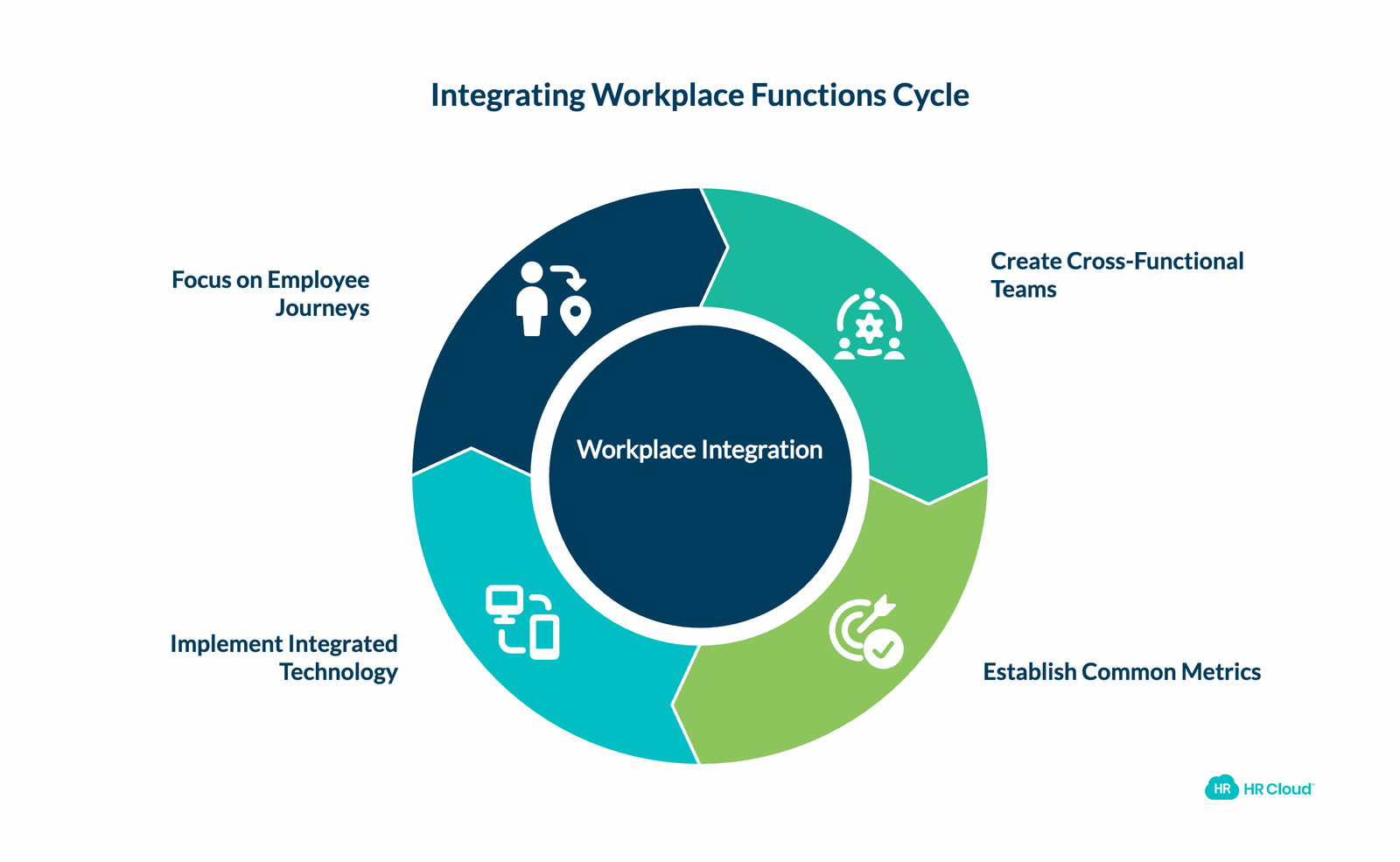
Organizations don't need to wait for a formal Chief of Work position to begin integrating workplace functions. Here are practical steps HR leaders can take:
Create Cross-Functional Teams: Bring together HR strategists, IT collaboration specialists, and workplace designers to address specific employee experience challenges like onboarding or performance management.
Establish Common Metrics: Develop shared KPIs that transcend functional boundaries, such as employee satisfaction scores that reflect both technology usability and workplace environment quality.
Implement Integrated Technology: Choose platforms that connect people, processes, and places. Solutions like HR Cloud's unified platform integrate HRIS, engagement, recognition, and communication tools to create seamless employee experiences.
Focus on Employee Journeys: Map complete employee journeys from recruitment through offboarding, identifying touchpoints where HR, IT, and workplace functions intersect.
Technology Integration Essentials
Organizations building Chief of Work capabilities need integrated technology stacks that include:
- Core HRIS platforms for centralized employee data and process automation
- Employee experience platforms like Workmates for communication and engagement across all work locations
- Performance management systems that align individual goals with organizational objectives
- Analytics and reporting tools to measure employee experience across all touchpoints
- Collaboration platforms that work seamlessly across office, remote, and mobile environments
According to Gartner's research on HR technology trends, organizations with integrated HR technology platforms report 3x faster onboarding, 60% reduction in administrative tasks, and significantly higher employee engagement scores compared to those using disconnected point solutions.
Measuring Success: Key Metrics
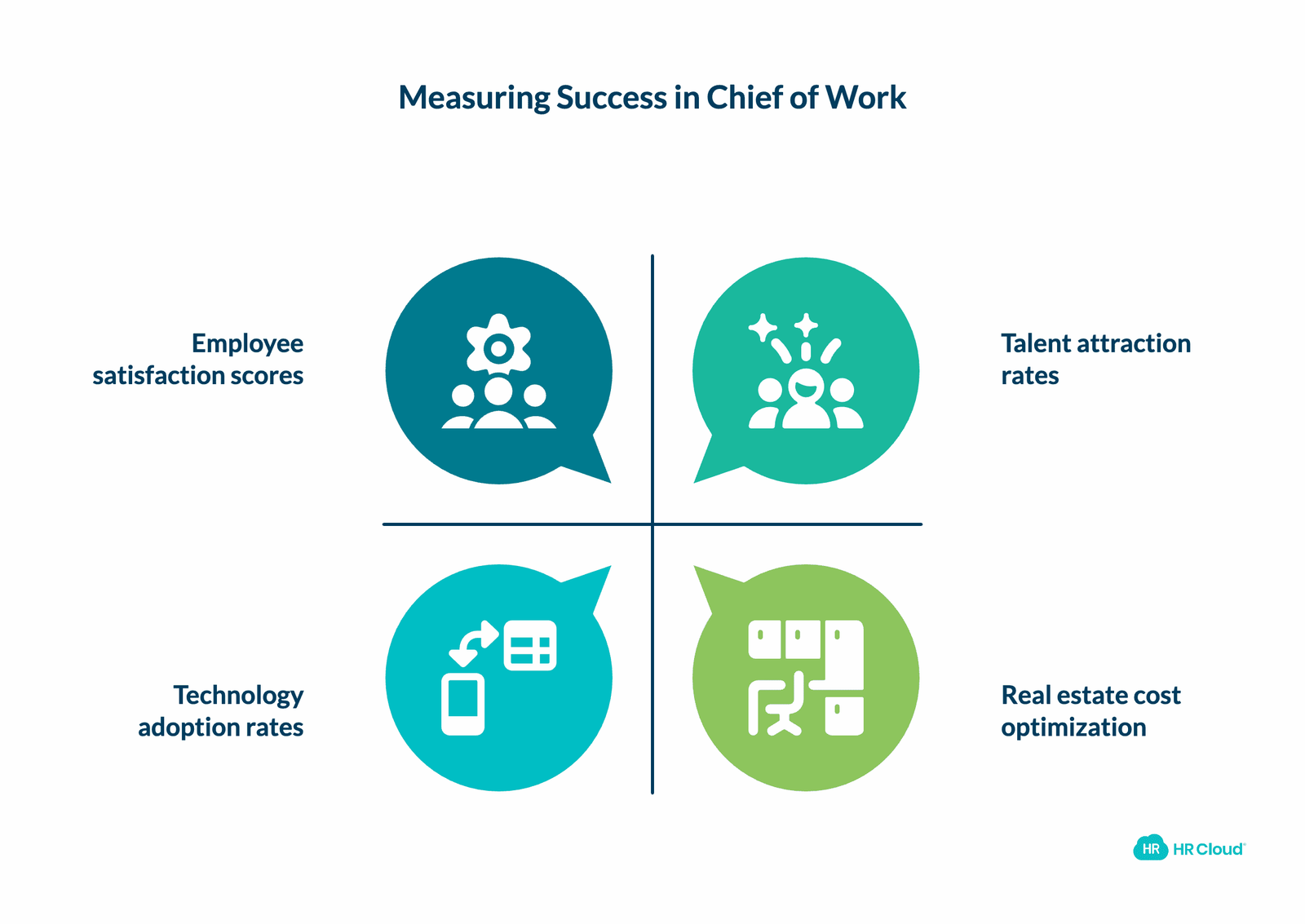
Chief of Work success requires metrics that span traditional functional boundaries:
Employee Experience Metrics:
- Overall employee satisfaction and engagement scores
- Net Promoter Score (eNPS) across all worker segments
- Technology adoption and user satisfaction rates
- Workplace utilization and preference data
- Time-to-productivity for new hires
Business Impact Metrics:
- Talent attraction and time-to-fill rates
- Employee retention and voluntary turnover
- Productivity measurements across work modes
- Innovation and collaboration indicators
- Real estate cost per employee optimization
HR Cloud's analytics capabilities enable organizations to track these cross-functional metrics in real-time, providing the visibility needed for Chief of Work decision-making.
The Future of Work Leadership
Think of the Chief of Work as an Executive Chef who assembles specialist chefs to create a communal feast. Rather than the CIO preparing one dish (technology), the CHRO concocting another (talent), and the COO creating a third (facilities)—each enjoyed separately—the team prepares complementary dishes together, creating a memorable dining experience.
This integrated approach recognizes that employee experience isn't the sum of separate parts—it's the result of thoughtful orchestration across all workplace dimensions.
Organizations that embrace this integration, whether through formal Chief of Work positions or cross-functional collaboration, will be better positioned to:
- Attract and retain top talent in competitive markets
- Drive higher employee engagement and productivity
- Respond quickly to changing work models and expectations
- Create distinctive workplace cultures that drive business results
As workplace transformation accelerates, the long-awaited Chief of Work role is taking shape. Organizations that act now to integrate their people, technology, and workplace strategies will gain competitive advantage in the talent marketplace.
The question isn't whether to integrate these functions—it's how quickly your organization can move from siloed operations to unified workplace experience strategy.
Ready to transform your workplace experience? Discover how HR Cloud's integrated platform combines employee engagement, HRIS, onboarding, and performance management to create seamless experiences across your entire workforce. Schedule your free demo today.
Frequently Asked Questions
What is the Chief of Work position?
The Chief of Work is an emerging C-suite role that integrates three traditionally separate business functions: talent management (HR), technology infrastructure (IT), and workplace strategy (real estate/facilities). This position focuses on creating unified employee experiences across office, remote, and distributed work environments.
Why is the Chief of Work role emerging now?
With 92% of organizations using hybrid work models, companies need executive-level leadership to align people, technology, and workplace strategies. The traditional siloed approach—where HR, IT, and operations work independently—no longer supports the integrated employee experience needed for talent retention and productivity.
How does the Chief of Work differ from Chief HR Officer?
While the CHRO focuses on talent management and HR operations, the Chief of Work has broader responsibility including technology systems and workplace design. This role ensures HR programs, digital tools, and physical/virtual workspaces work together to support employee success.
What companies have created Chief of Work positions?
Companies like Moderna have created "Chief People and Digital Technology Officer" roles that combine HR and IT. Other organizations have established "Chief People and Places" positions integrating workforce and workplace strategy. This trend reflects the need for unified employee experience leadership.
What skills does the Chief of Work need?
Chief of Work leaders need expertise in talent strategy, technology fluency, workplace design, cross-functional collaboration, and employee experience design. They must understand both human dynamics and technological capabilities while bridging traditionally separate organizational functions.
About the author
Keep Reading


Like What You Hear?
We’d love to chat with you more about how HR Cloud® can support your business’s HR needs.
Book Your Free Demo