


- Employee Appreciation vs. Recognition
- First, Create a Culture of Appreciation
- Tips for Employee Appreciation Day
- 1. Special Event or Award Ceremony
- 2. Bonuses
- 3. Gift Cards
- 4. Gifts or Care Packages
- 5. Pick-a-Prize
- 6. Catered Breakfast or Lunch
- 7. Happy Hour
- 8. Snacks or Dessert Bar
- 9. Spa Services
- 10. Company-Wide Email
- 11. Video Tribute
- 12. Say "Thank You"
- 13. Personalized Notes
- 14. Game Day
- 15. Go Outside
- 16. Offsite Activity
- 17. Donate to Charity
- 18. Volunteer
- 19. Social Media Shout-Outs
- 20. Extra Paid Time Off
- 21. Company Swag
- 22. Use Employee Engagement Software
- Make Employee Appreciation a Year-Round Priority


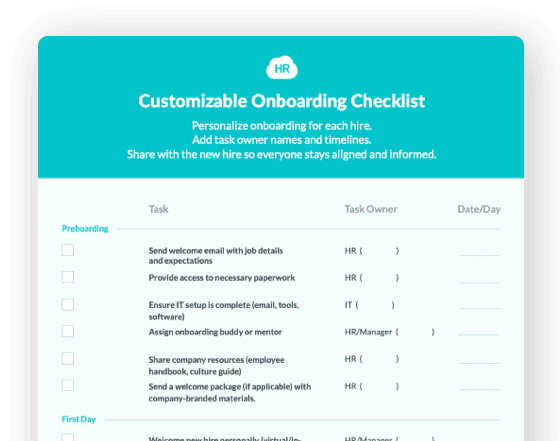
Every year, Employee Appreciation Day is observed on the first Friday in March, providing an opportunity for companies to show appreciation for their most valuable resource—their employees.
According to recent research from the Society for Human Resource Management (SHRM), organizations with strong employee recognition programs experience a 31% reduction in voluntary turnover. Regular recognition also contributes significantly to employee morale and fosters authentic team appreciation throughout your organization.
On Employee Appreciation Day—or during an extended employee appreciation week—you have the perfect opportunity to show your team members how much you value their contributions. Whether you're recognizing frontline workers, remote teams, or in-office staff, building a culture of appreciation strengthens engagement and retention across your entire workforce.
Here are 22 staff appreciation ideas that will resonate with everyone in your company, including remote workers and deskless employees.
Employee Appreciation vs. Recognition
Typically, employee appreciation is about rewarding employees' general contributions to the workplace—thanking someone for consistently showing up with a positive attitude or being a reliable team member. Employee recognition, on the other hand, usually focuses on a specific achievement of a single individual or team, like completing a major project or exceeding sales targets.
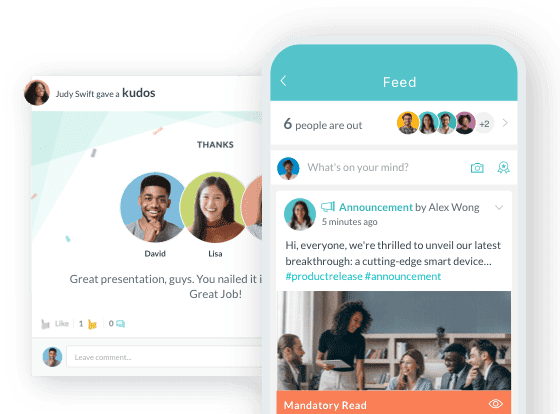
Both are crucial for fostering a positive workplace culture and boosting employee satisfaction. While appreciation is often informal and ongoing, recognition tends to be more structured and tied to measurable outcomes. Platforms like Workmates can help you deliver both through peer-to-peer kudos and manager-led recognition programs.
First, Create a Culture of Appreciation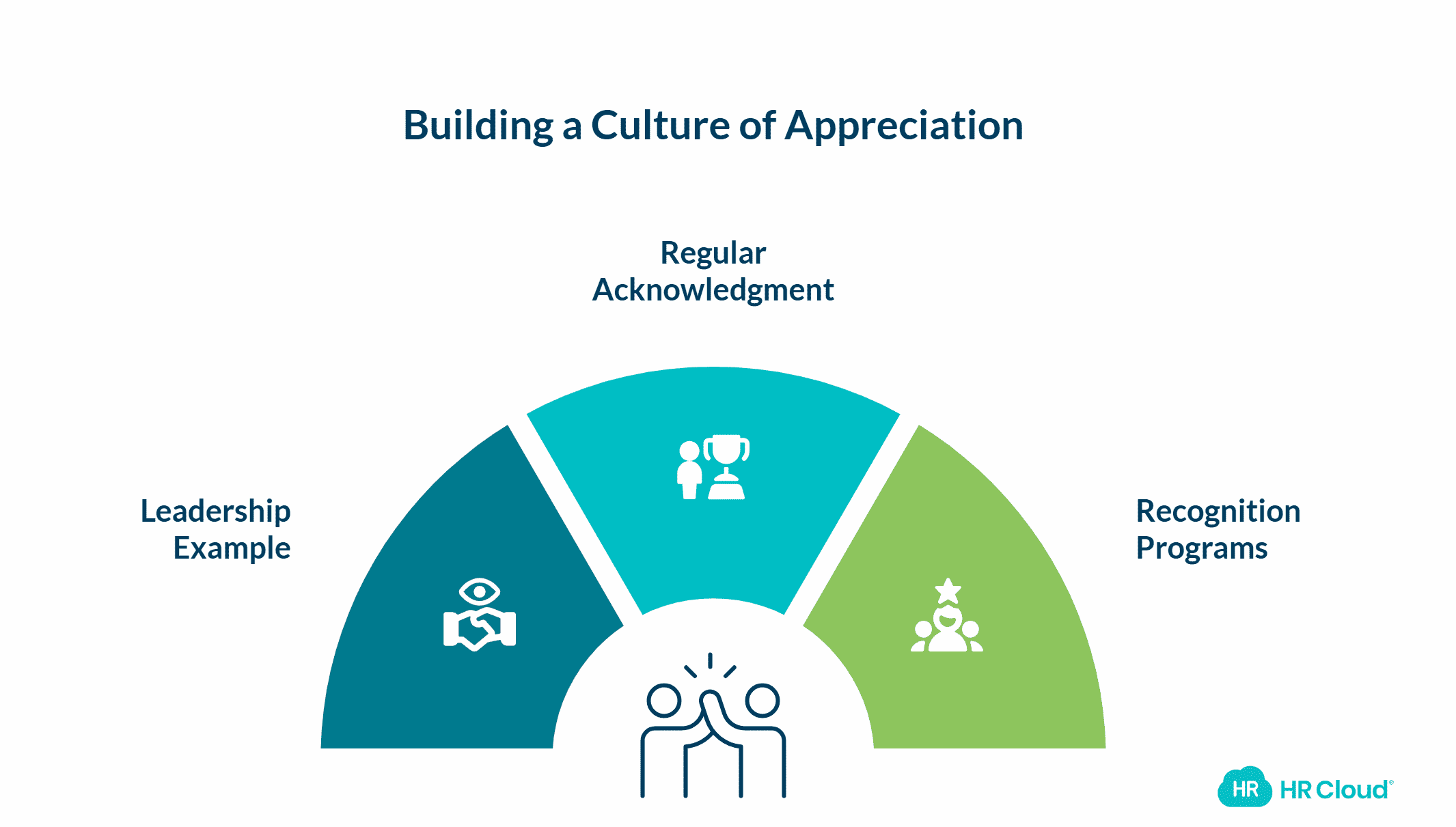
Celebrating Employee Appreciation Day is a bit misguided if you don't already have a culture of appreciation established. And that starts by setting an example at the top of the organization.
Regularly acknowledge individual and team achievements during meetings and by personally expressing gratitude for employees' efforts in day-to-day interactions. Establish employee recognition programs, such as peer recognition platforms or award nominations, and ensure that they're actively used and promoted.
The more you foster an environment where gratitude is the norm, the more authentic your Employee Appreciation Day or appreciation events feel. Research from Gallup shows that employees who receive recognition at least once a week are 5x more likely to be engaged at work.
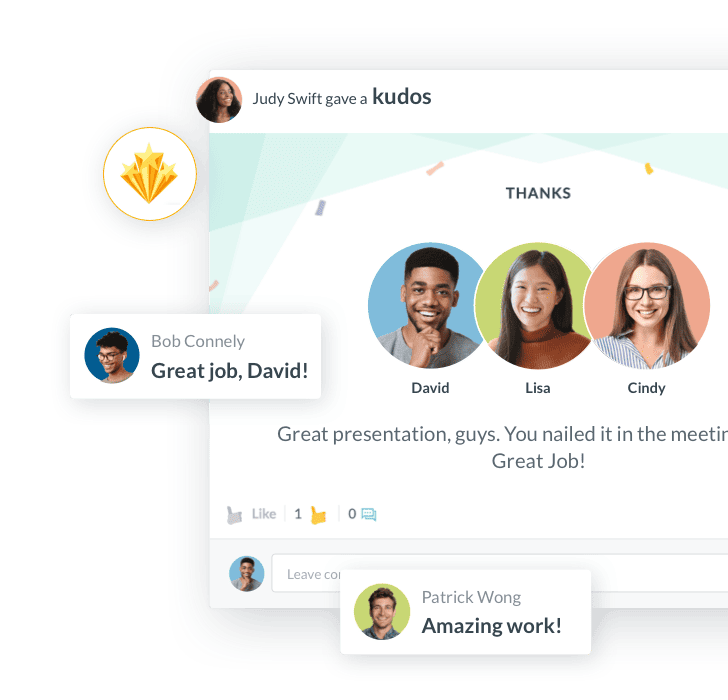
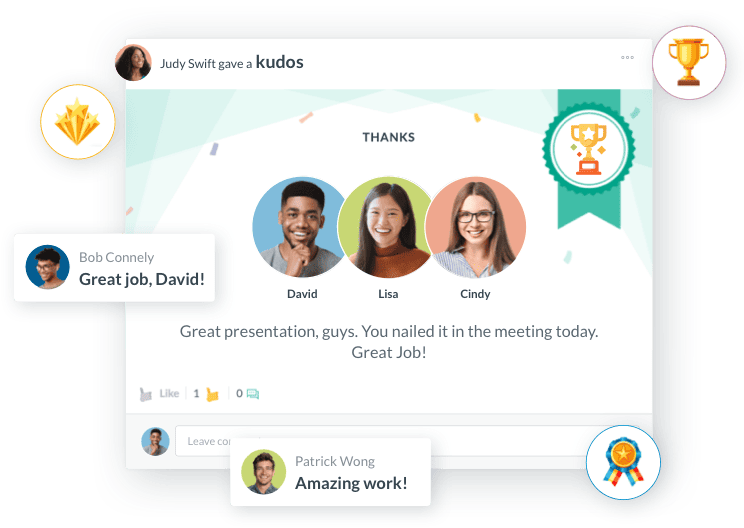
Consider implementing recognition software that makes it easy for team members to give kudos in the moment, creating a continuous appreciation cycle rather than once-a-year gestures.
Tips for Employee Appreciation Day
Before diving into specific ideas, here's how to plan a successful Employee Appreciation Day:
-
Plan ahead: Start planning several weeks in advance to ensure all details are covered and vendors are booked
-
Personalize thoughtfully: Tailor activities and gifts to suit the preferences and culture of your team—what works for tech teams may not resonate with healthcare workers
-
Set a realistic budget: Establish a budget to guide your decisions on activities and gifts. Studies from Achievers show that effective appreciation doesn't require expensive gestures
-
Offer variety: Plan a variety of events to keep the day interesting and engaging for everyone
-
Make it personal: Customize thank-you messages or gifts to add a personal touch that employees will value
-
Drive participation: Encourage all staff to participate in planned activities to boost engagement and fun
-
Recognize publicly: Publicly acknowledge the hard work and achievements of individuals and teams—85% of employees prefer public recognition according to Workhuman research
-
Give meaningful gifts: Offer gifts that employees will genuinely appreciate and find useful—gift cards remain the most popular choice
-
Gather feedback: Collect feedback after the event to improve future appreciation initiatives
-
Include everyone: Don't forget remote workers or deskless workers! They need recognition too
Pro Tip: Use employee engagement software to coordinate activities, share announcements, and gather real-time feedback during your appreciation events.
22 Employee Appreciation Day Ideas
1. Special Event or Award Ceremony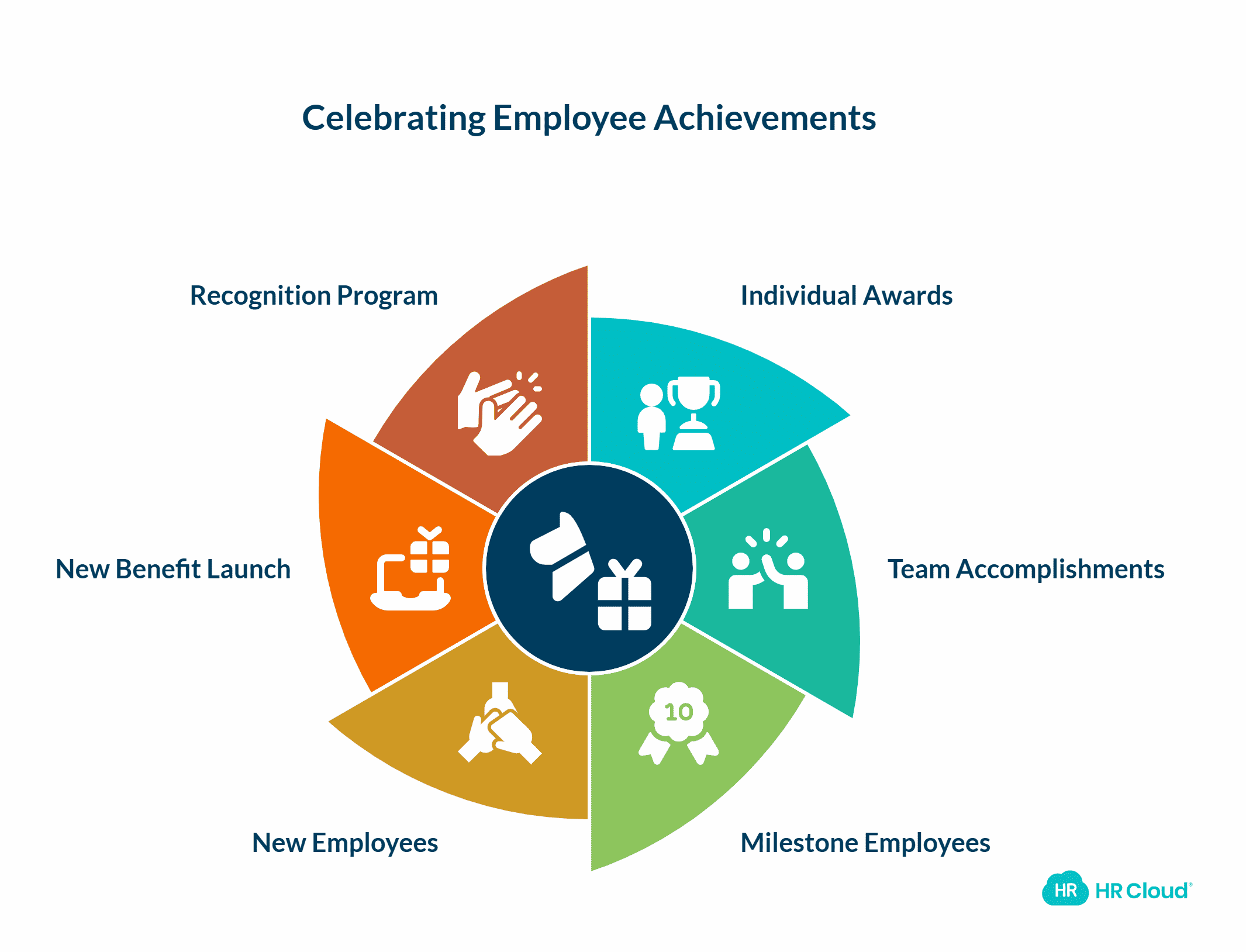
Since Employee Appreciation Day is a special day, it's the perfect time to host a special employee appreciation event or award ceremony to publicly recognize and celebrate employee achievements.
What to include in your presentation:
-
Individual awards for outstanding performance or milestone achievements
-
Team accomplishments that drove business results
-
Milestone employees celebrating work anniversaries
-
New employee introductions to welcome recent hires into the company culture
-
Launch a new benefit or perk as a surprise announcement
-
Introduce a recognition program like a points-based rewards system
Implementation tip: Record the ceremony and share it through your internal communication platform so remote workers can participate asynchronously. Consider using digital signage in common areas to broadcast highlights.
2. Bonuses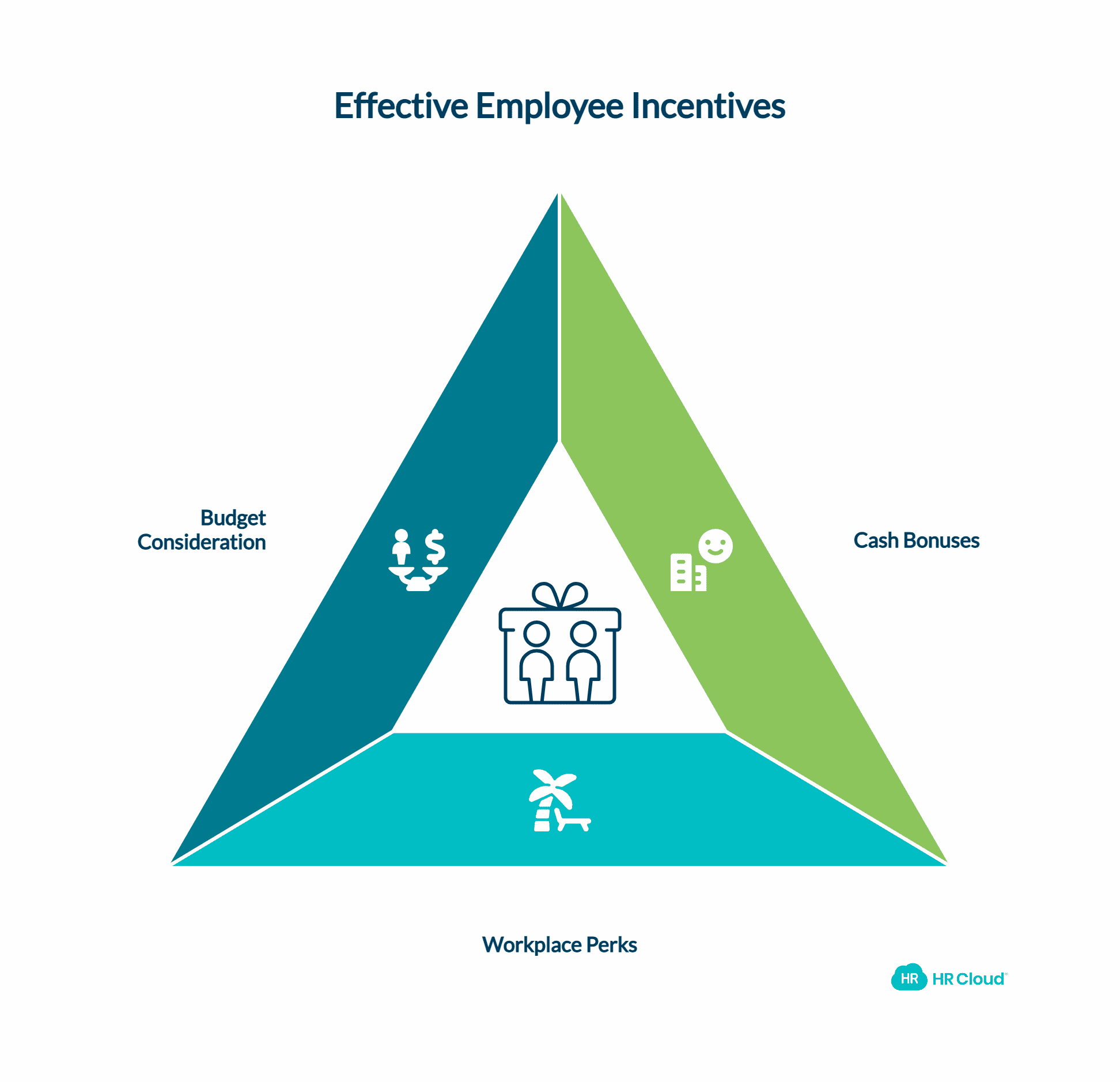
Money isn't the most original incentive, but there are few employees who'll find disappointment in a cash bonus. Show that you recognize employees' value and the work it takes for them to help your company reach its goals with the gift of cash.
You can also complement the financial rewards with some additional workplace perks for your most valuable employees, such as additional vacation days or vouchers for various online retailers.
Budget consideration: Even small bonuses make an impact. Research from SHRM shows that a $100-$250 bonus is meaningful when paired with genuine recognition.
Budget: High ($100-500+ per employee)
3. Gift Cards
Sometimes, bonuses aren't in the budget. Still, if you like the idea of employee appreciation gifts, you can give your employees gift cards. Instead of giving every employee the same generic T-shirt or water bottle, gift cards allow employees to select incentives with personal significance.
Popular options include:
-
Amazon for maximum flexibility
-
Starbucks or local coffee shops for daily treats
-
Restaurant chains for family meals
-
Fitness/wellness retailers for health-conscious employees
-
Streaming services for entertainment
Workmates rewards platform provides access to hundreds of gift card options, making it easy to let employees choose what matters most to them.
Budget: Medium ($25-100 per employee)
4. Gifts or Care Packages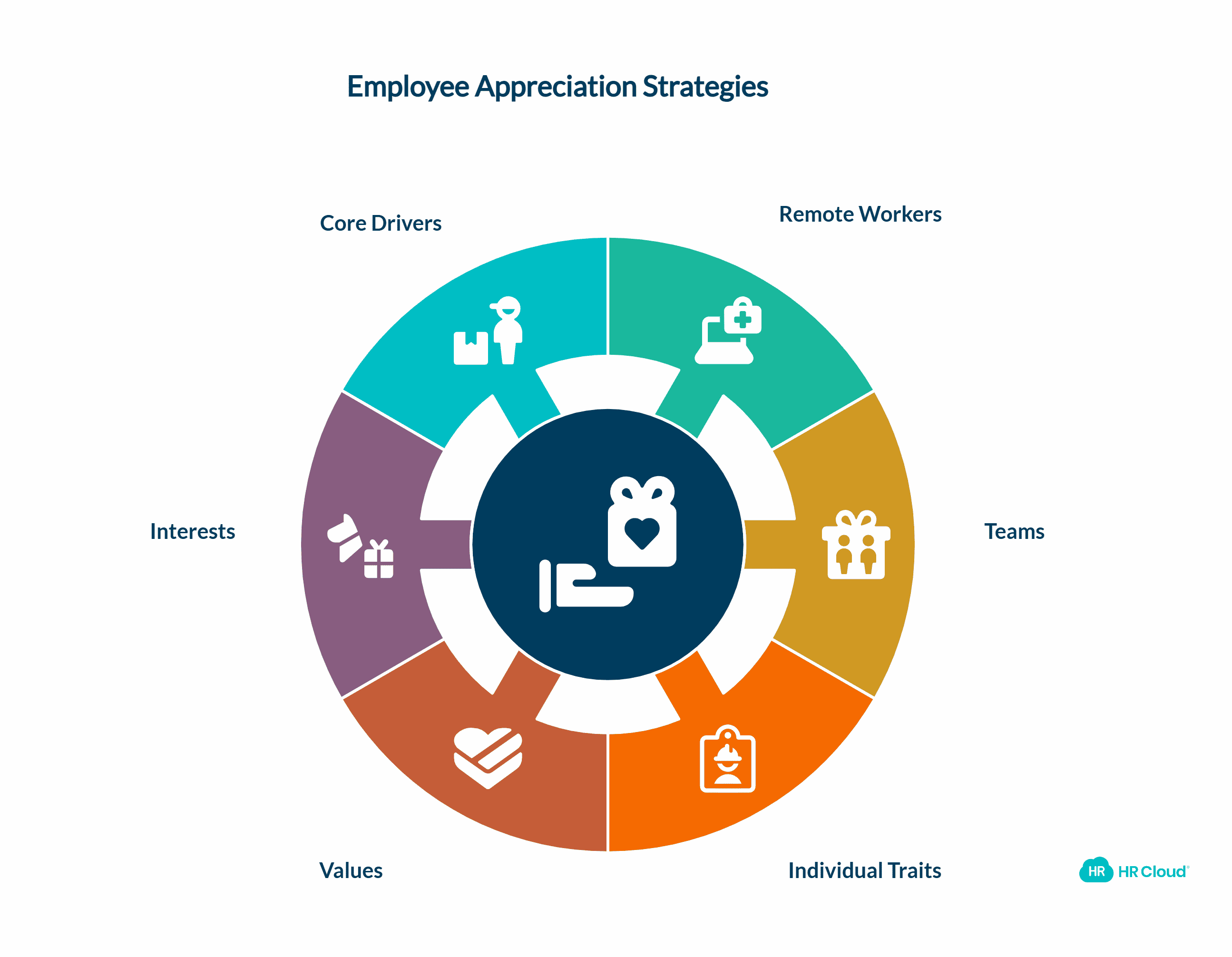
Some of the most successful employer brands are those who take the time and effort to get to know their employees. Then, when the time comes for your HR team to start generating staff appreciation ideas, this data will be invaluable.
Personalized rewards make all the difference in outreach attempts such as care packages. A care package is a particularly useful employee appreciation idea, especially for remote workers or distributed teams.
While you don't need to make care packages hyper-personalized, you should still acknowledge the individual's unique traits, values, interests, and core drivers.
Care package ideas:
-
Company swag (high-quality, not cheap promotional items)
-
Local treats or snacks from employees' regions
-
Wellness items (stress relief tools, essential oils, tea samplers)
-
Desk accessories or work-from-home comfort items
-
Handwritten note from leadership
Pro tip: Use your HRIS system to track employee preferences, dietary restrictions, and interests to personalize care packages effectively.
Budget: Medium ($25-100 per employee)
5. Pick-a-Prize
Allowing employees to pick their own gift can significantly enhance its value, as it ensures that the reward is desirable and useful. This approach not only empowers employees by giving them a choice but also demonstrates the company's commitment to catering to individual preferences.
How to implement:
-
Create a catalog of prize options at different point values
-
Let employees accumulate points through recognition
-
Offer redemption flexibility (save points or spend immediately)
This is where recognition and rewards software truly shines—employees can browse rewards at their convenience and choose exactly what motivates them.
Budget: Variable (points-based system)
6. Catered Breakfast or Lunch
Providing breakfast or lunch on Employee Appreciation Day is a thoughtful and inclusive way to celebrate, offering a shared meal that fosters camaraderie and a sense of community. Plus, it creates an opportunity for employees to bond and relax together, enhancing employee experience and facilitating team dynamics.
Considerations:
-
Accommodate dietary restrictions (vegetarian, vegan, gluten-free, allergies)
-
Support local restaurants or caterers to show community appreciation
-
For remote teams, send food delivery gift cards for the same day
-
Consider breakfast for morning shifts and lunch for second shift workers
Use company announcements to build anticipation and gather dietary preferences ahead of time.
Budget: Medium ($25-50 per employee)
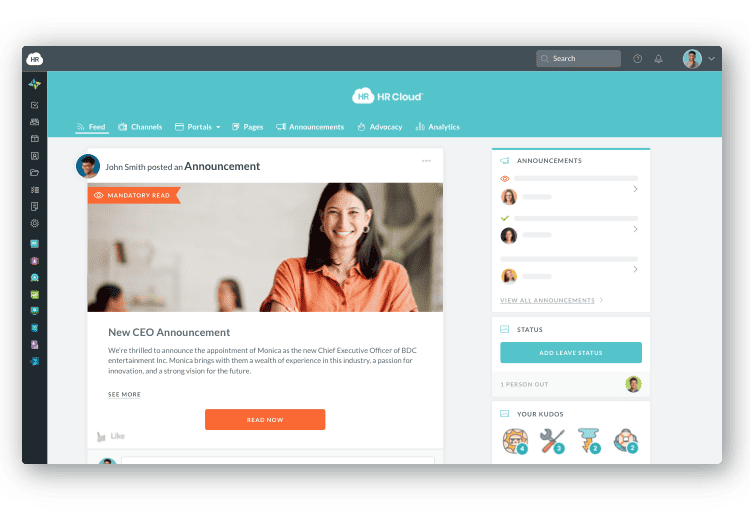
7. Happy Hour
Hosting a happy hour for employees allows them to unwind and socialize after work hours. It can be held on-site with options like craft beer tasting and cocktail mixing stations, or off-site at a local pub or restaurant, providing a fun break from the usual work routine.
Important notes:
-
Always include non-alcoholic options
-
Make it optional (not mandatory fun)
-
Consider timing for parents and caregivers
-
For remote teams, organize virtual happy hours with delivered drinks
Data point: According to Gallup research, employees with a "best friend" at work are 7x more engaged. Social events help build these connections.
Budget: Medium ($30-75 per employee)
8. Snacks or Dessert Bar
Setting up a snacks or dessert bar offers a delightful treat for employees, featuring a variety of options such as gourmet cookies, artisan chocolates, a build-your-own trail mix station, or a selection of local ice creams.
Creative options:
-
Ice cream sundae bar with toppings
-
Build-your-own parfait station
-
International snack sampling
-
Healthy options bar (fruit, nuts, granola)
-
Themed treat stations (s'mores, tacos, popcorn bar)
Announce it through your employee communication platform and create excitement with photos and countdown posts.
Budget: Low-Medium ($10-25 per employee)
9. Spa Services
Provide in-office services such as chair massages, manicures, or reflexology sessions. This offers staff a chance to relax and de-stress right at the workplace and shows the company's care for its employees' health and well-being.
Popular spa services:
-
15-minute chair massages (most accessible)
-
Hand/nail care services
-
Aromatherapy sessions
-
Guided meditation or yoga classes
-
Health screenings (blood pressure, wellness checks)
Stats: Research from Deloitte shows that workplace wellness programs contribute to a 21% increase in employee engagement.
Budget: High ($50-150 per employee)
10. Company-Wide Email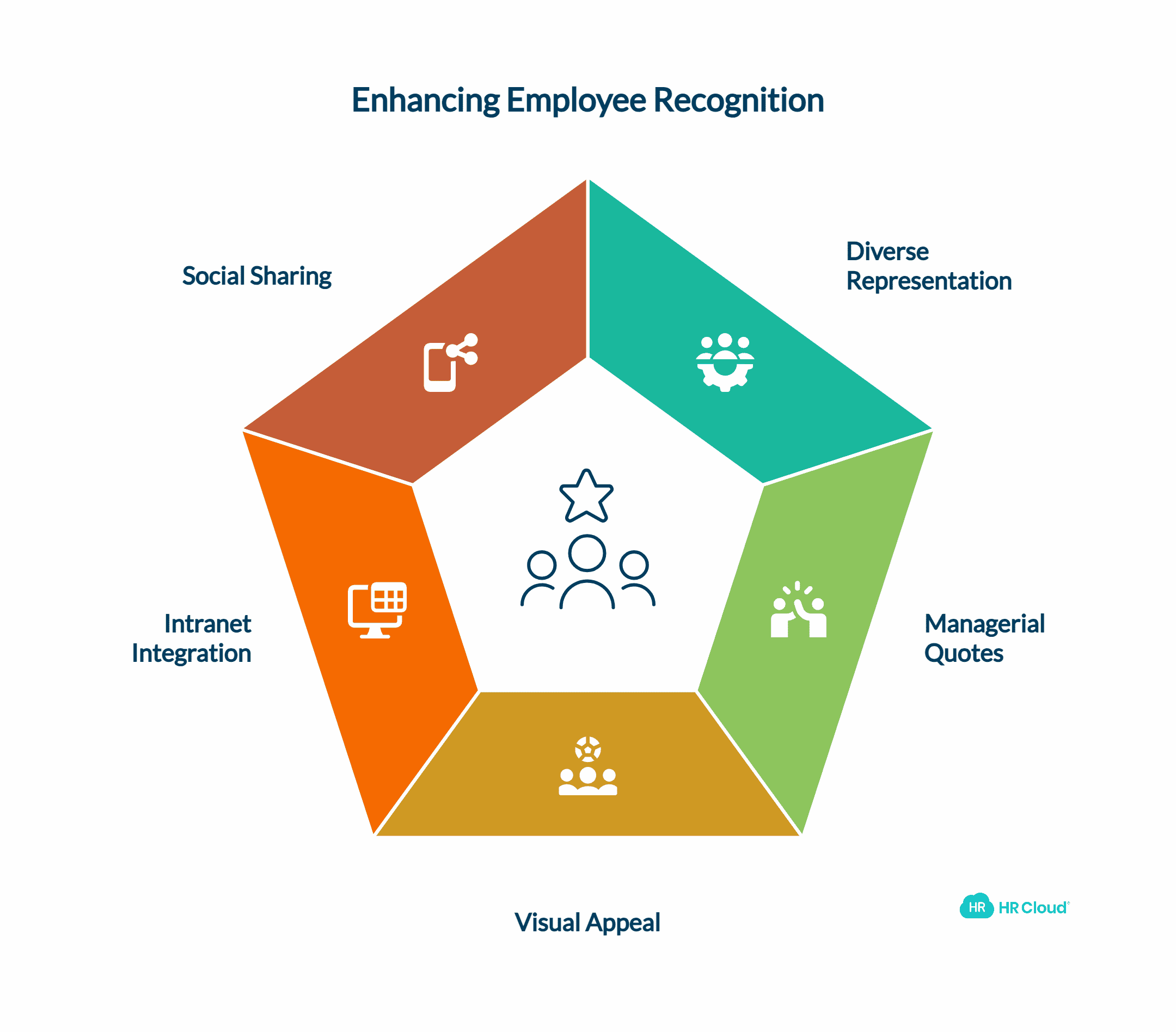
Send out an email highlighting individual and team accomplishments to the entire organization. This could include a summary of achievements, personal stories, and photos from the past year, making everyone feel valued and reinforcing the company's appreciation for every team member's hard work.
Email best practices:
-
Feature diverse team members (not just star performers)
-
Include quotes from managers about their teams
-
Add photos or graphics for visual appeal
-
Link to your company intranet for extended content
-
Make it shareable on social media
Budget: Free
11. Video Tribute
Similarly, you can create a video montage, compiling clips from managers and colleagues expressing their gratitude and appreciation for the team's efforts. This video can be shown at a company meeting or shared on internal communication networks, providing a personal and heartfelt recognition.
Video ideas:
-
Ask each department head to record 30-second thank-you messages
-
Include customer testimonials praising your team
-
Show a "day in the life" montage of different roles
-
End with CEO/leadership team appreciation messages
-
Share via digital signage and mobile app
Budget: Low ($5-15 per employee for production costs)
12. Say “Thank You”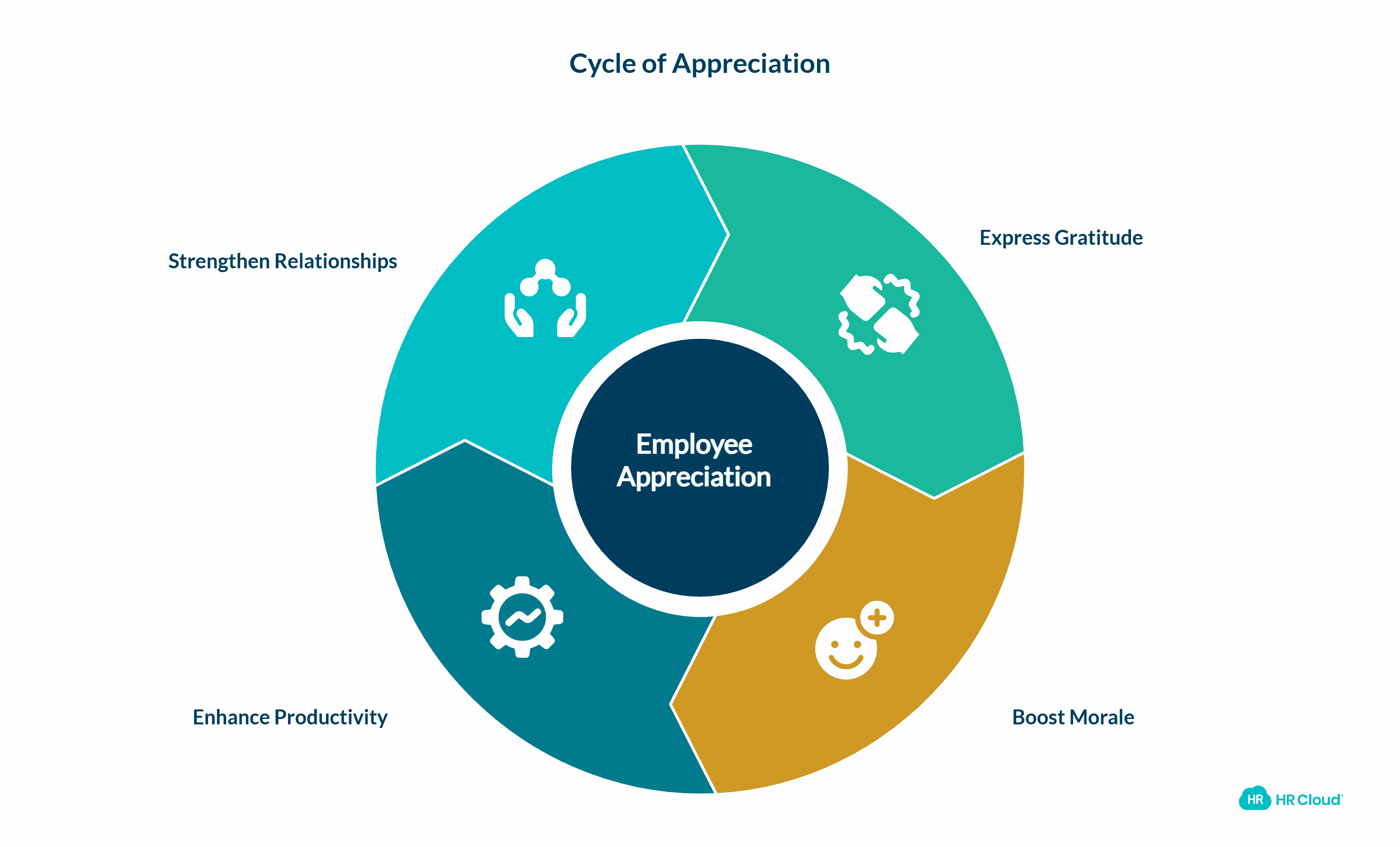
Simply saying "Thank you," in person to each employee can have a profound impact. Leaders and managers can make a point to visit each team or department, expressing their gratitude directly and personally, which can significantly boost morale and make employees feel genuinely appreciated.
Why it matters:
-
Personal connection from leadership is memorable
-
Takes minimal time but shows intentionality
-
Can be combined with a handwritten note
-
Especially powerful when specific to individual contributions
Stat: Workhuman research shows that 79% of employees who quit cite "lack of appreciation" as their primary reason for leaving.
Budget: Free
13. Personalized Notes
Write personalized notes to each employee (bonus points for handwritten!), recognizing their specific contributions and achievements. These notes can mention particular instances where the employee excelled, showing that their efforts are noticed and valued.
What to include:
-
Specific example of their contribution
-
Impact on team/company
-
Personal quality you appreciate
-
Forward-looking encouragement
Store templates and track recognition in your performance management system to ensure fairness and consistency.
Budget: Low ($2-5 per employee for cards/supplies)

14. Game Day
Organize a game day with board games, video game setups, or outdoor sports to make the day fun and engaging. It's a chance for employees to interact in a non-work context, which can improve team cohesion and offer a stress-relieving break from the usual routine. You can even incorporate employee appreciation games or appreciation games designed specifically for team building.
Game options:
-
Board game tournament (Teams, Pictionary, trivia)
-
Video game competition (Mario Kart, FIFA, Among Us)
-
Outdoor activities (cornhole, volleyball, frisbee)
-
Escape room challenges (in-person or virtual)
-
Scavenger hunt throughout the office or city
Announce winners via your employee engagement platform and award recognition badges for participation.
Budget: Low-Medium ($10-30 per employee)
15. Go Outside
Encourage employees to go outside together, whether for a group picnic, a team-building activity in a local park, or a volunteer day supporting a community project. Activities in a natural setting can reduce stress, increase creativity, and enhance team dynamics in an enjoyable and healthful setting.
Outdoor activities:
-
Park picnic with lawn games
-
Nature walk or hiking trail
-
Beach or lake day
-
Botanical garden visit
-
Outdoor team-building course
-
Community cleanup project
Health benefit: According to research, spending time outdoors reduces cortisol levels by up to 21% and increases overall well-being.
Budget: Low-Medium ($15-40 per employee)
16. Offsite Activity
Plan a fun activity away from the office, such as a day at a team-building retreat, escape room, bowling alley, cooking class, or local amusement park. This provides a change of scenery, fosters team spirit, strengthens relationships, and allows employees to create memorable experiences together. These team building activities can be especially effective for boosting team morale.
Popular offsite options:
-
Escape rooms (great for problem-solving teams)
-
Cooking classes (promotes collaboration)
-
Sporting events (baseball game, soccer match)
-
Museum or cultural venue visits
-
Adventure activities (zip-lining, ropes course)
-
Brewery or winery tour (with non-alcoholic options)
Budget tip: Many venues offer corporate packages. Schedule during off-peak times for better rates.
Budget: High ($75-200+ per employee)
17. Donate to Charity
Allowing employees to choose a charity for the company to donate to on their behalf can be a meaningful way to show appreciation. This approach not only honors the employees but also aligns with their personal values and interests, demonstrating that the company respects what matters to them beyond work.
Implementation:
-
Let employees nominate charities
-
Match employee donations dollar-for-dollar
-
Create giving campaigns through company channels
-
Share impact reports showing total contributions
Stat: Deloitte research shows that 70% of millennials say they're more likely to work for a company that has a strong philanthropic program.
Budget: Medium-High ($50-200 per employee donation)
18. Volunteer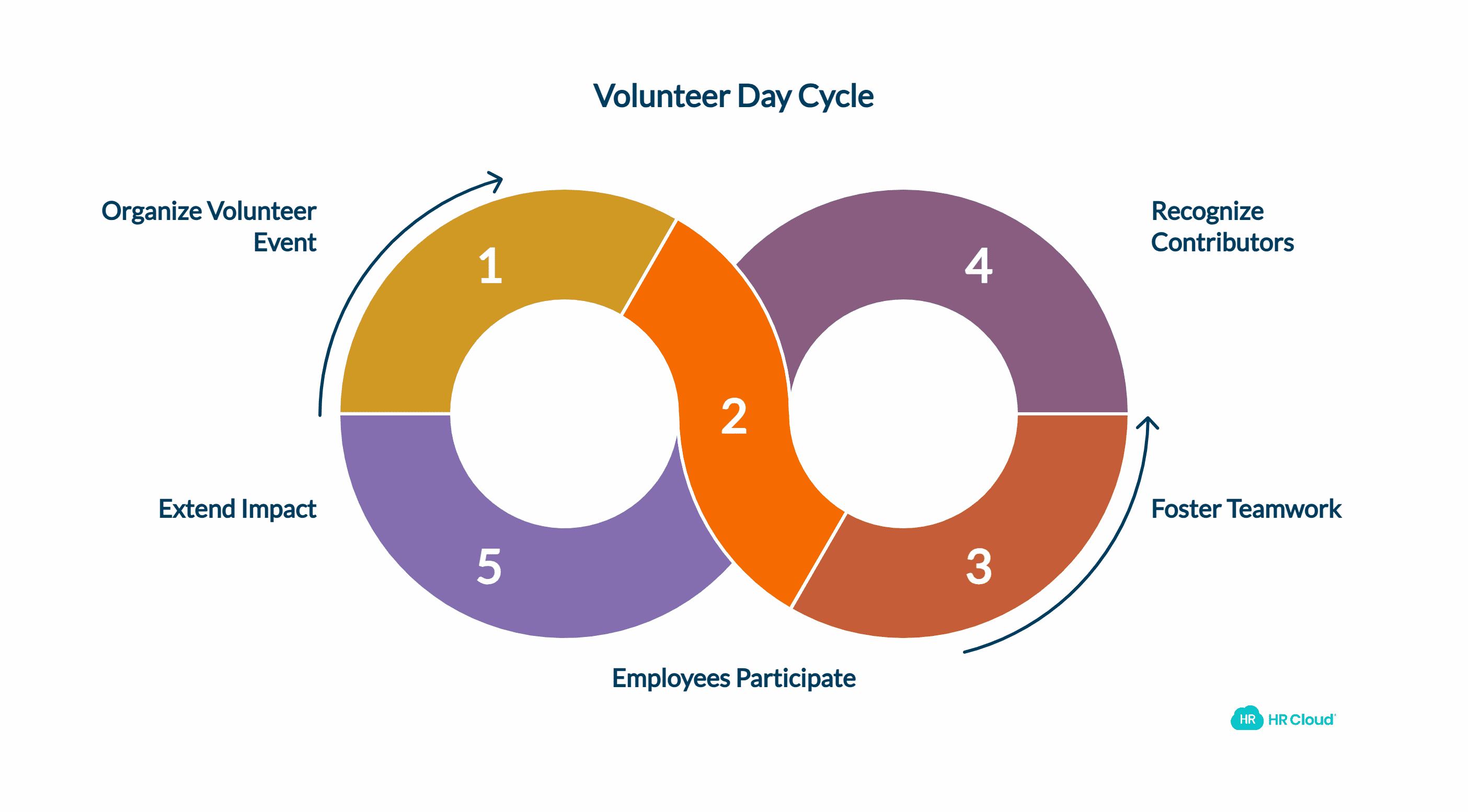
Organize a volunteer day for employees to give back to the community together. Whether it's helping at a food bank, cleaning up a local park, or building homes for a housing charity, volunteering fosters a sense of purpose and teamwork that extends beyond the office walls.
Volunteer opportunities:
-
Food bank or soup kitchen
-
Habitat for Humanity build day
-
Animal shelter support
-
Park cleanup or tree planting
-
School/youth mentorship programs
-
Senior center visits
Create a company challenge around volunteer hours and recognize top contributors.
Budget: Low (mainly time investment, potential $10-25 per employee for supplies)
19. Social Media Shout-Outs
Giving shout-outs on the company Facebook, Twitter, or LinkedIn involves highlighting an individual's or team's achievements. This can boost their professional profile and make them feel celebrated not just within the company but by the broader public, enhancing their sense of pride and accomplishment.
Best practices:
-
Get employee permission before posting
-
Tag employees in posts (if they're comfortable)
-
Use professional photos
-
Include specific accomplishments
-
Encourage employee advocacy
Engagement tip: Create a branded hashtag like #[YourCompany]Appreciation for employees and followers to use.
Budget: Free
20. Extra Paid Time Off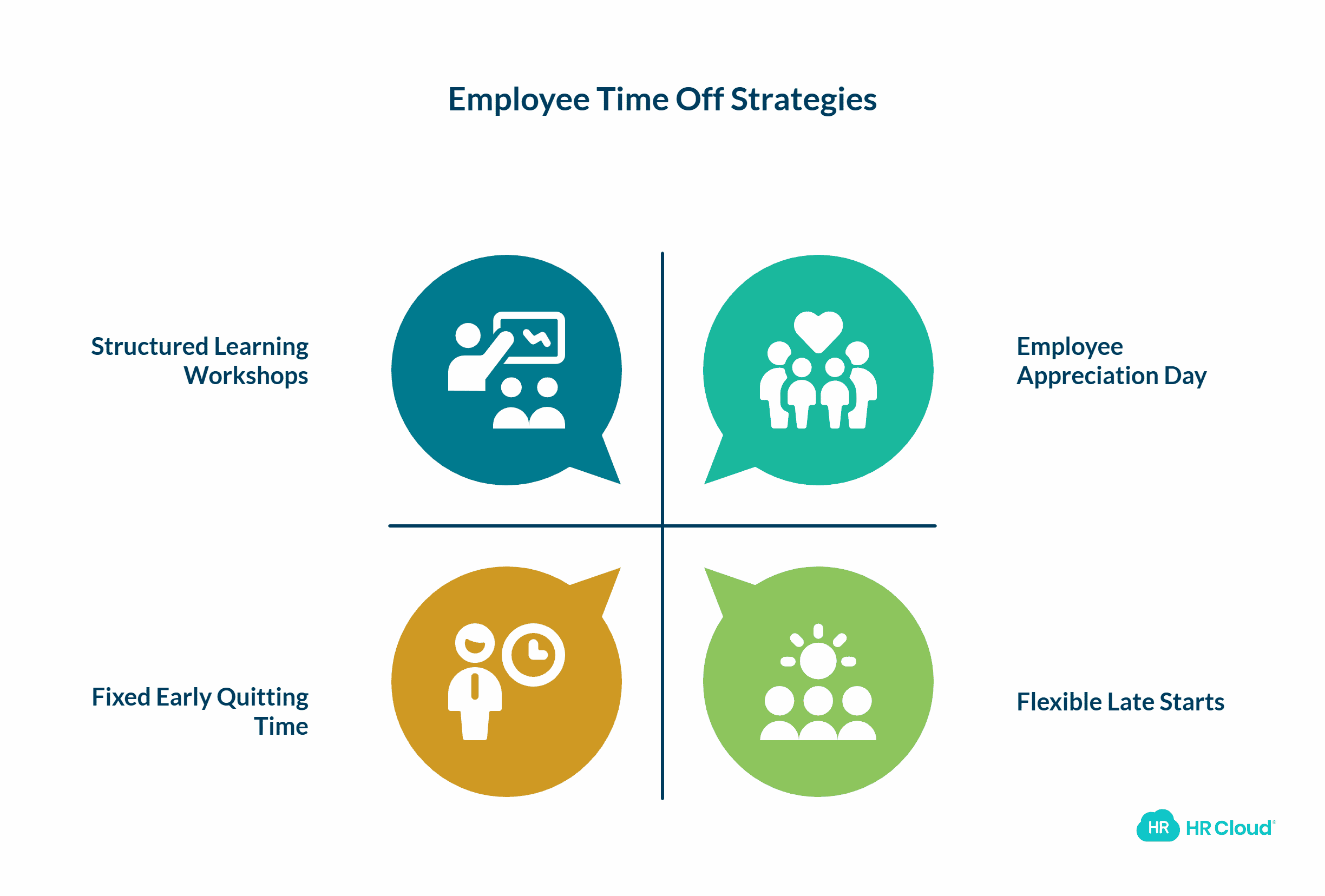
Taking a break during long hours of work will certainly help your employees to contribute in a more productive way. Offer late starts, longer lunches, or early quitting time, which is especially appreciated on a Friday.
Another option: Many companies designate an Employee Appreciation Day as a full-paid day off where team members can participate in things they've always wanted to. Besides providing a vacation from work, hobbies can assist staff in learning new abilities that will benefit your business in the long run.
PTO ideas:
-
Surprise half-day off on a Friday
-
"Appreciation week" with flexible hours
-
Extra floating holiday to use within the year
-
"Summer Fridays" program
-
"Recharge day" once per quarter
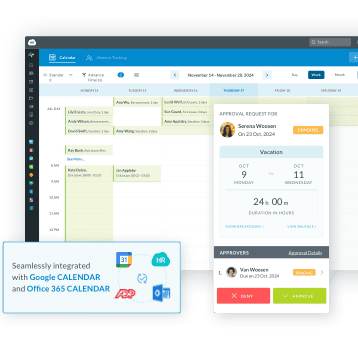
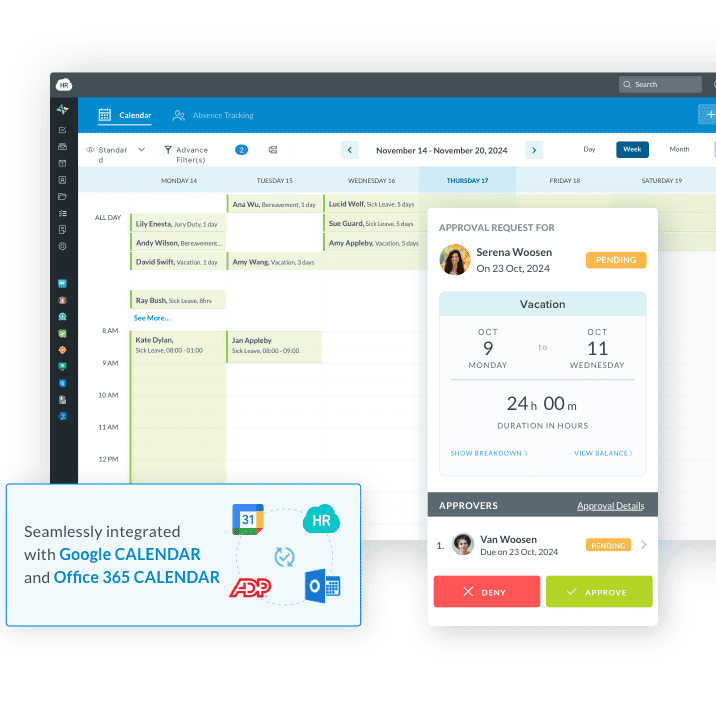
Manage extra time off easily through your time off tracking system to ensure proper coverage and avoid scheduling conflicts.
Stats: Research shows that employees who take regular time off are 31% more productive and less likely to experience burnout.
Budget: Medium-High (cost of productivity time)

21. Company Swag
Distribute high-quality company-branded items, such as branded apparel, tech gadgets, or personalized items like engraved pens or custom notebooks. Quality swag items aren't just practical; they also serve as a daily reminder of the company's appreciation.
High-quality swag examples:
-
Premium jackets or fleece (not cheap t-shirts)
-
Wireless earbuds or tech accessories
-
Insulated water bottles or coffee mugs (Yeti, Hydro Flask quality)
-
Backpacks or laptop bags
-
Personalized items (name engraving)
Pro tip: Let employees choose from a catalog using your rewards platform rather than ordering one-size-fits-all items.
Budget: Medium ($30-75 per employee)
22. Use Employee Engagement Software
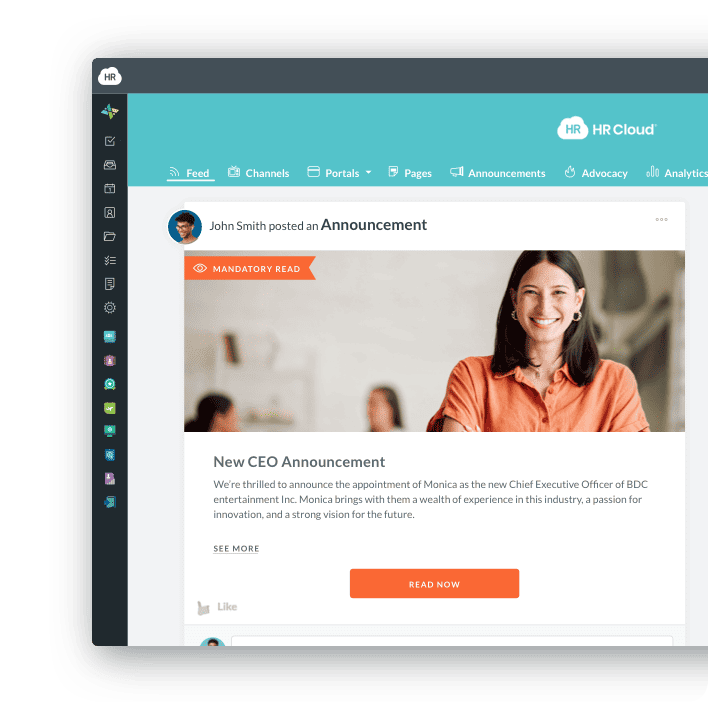
Implement employee engagement software—like the one HR Cloud offers—to enable continuous and real-time recognition among colleagues. Features can include peer-to-peer recognition feeds, reward systems, or communication tools that facilitate celebrating small wins and major milestones alike. This can be particularly useful for virtual team building and maintaining connections with remote workers.
Key features to look for:
- Social recognition feed for public kudos
- Points-based rewards redeemable for gifts
- Custom badges aligned with company values
- Analytics dashboard to track engagement
- Mobile app for frontline/deskless workers
- Integrations with Slack, Teams, and HRIS
Workmates by HR Cloud provides all of these features in a single platform, making recognition effortless and consistent. With 85% more appreciation shown through digital kudos and 80% increases in internal communication, platforms like Workmates drive measurable results.
Implementation is quick: Most organizations go live within 4-6 weeks, allowing you to establish a recognition culture well before your next Employee Appreciation Day.
Budget: Variable (subscription-based, typically $5-15 per employee/month)
 — Daniella Nickerson, Human resources, Toyota

Make Employee Appreciation a Year-Round Priority
Employee Appreciation Day is a powerful opportunity to celebrate your team, but the most successful companies build appreciation into their everyday culture.
With Workmates by HR Cloud, you can:
✅ Enable peer-to-peer recognition that happens in real-time
✅ Offer customizable rewards that employees actually want
✅ Track engagement analytics to measure program impact
✅ Reach remote and frontline workers through mobile apps
✅ Integrate with existing tools like Slack, Teams, and your HRIS
Companies using Workmates see:
-
85% more appreciation shown through kudos
-
80% increase in internal communication
-
95% improvement in employee retention
Ready to transform your recognition strategy beyond a single day?
 Experience how Workmates can transform communication and strengthen culture—all in one powerful platform
FAQs
1. What is Employee Appreciation Day and when is it celebrated?
Employee Appreciation Day is observed on the first Friday in March each year. It's a day for employers to recognize and appreciate their employees' hard work and contributions. In 2025, Employee Appreciation Day falls on March 7th. Many companies extend this into a full Employee Appreciation Week for sustained recognition.
2. What are some low-cost ideas for celebrating Employee Appreciation Day?
Low-cost ideas include handwritten thank-you notes, company-wide shout-outs, snacks or dessert bars, personalized emails, and extended breaks or early leave. You can also organize potluck lunches, create employee spotlights on your company intranet, or host virtual recognition ceremonies. According to SHRM research, meaningful recognition doesn't require large budgets—authenticity matters more than expense.
3. How is employee appreciation different from employee recognition?
Appreciation is more general and ongoing (e.g., thanking someone for their daily efforts and being a team player), while recognition is specific and tied to achievements or milestones (e.g., meeting a sales target or completing a project ahead of schedule). Both are important—appreciation builds culture while recognition drives specific behaviors. Learn more about recognition programs.
4. How can I include remote employees in Employee Appreciation Day?
You can send virtual gift cards, mail care packages, host online happy hours with delivered treats, and use employee recognition software to give shout-outs across your remote team. Create virtual events like online games, Zoom celebrations, or recorded video messages from leadership. Research shows that 37% of remote workers worry about getting less recognition than in-office colleagues, so intentional inclusion is critical.
5. What are the best gifts for Employee Appreciation Day?
Popular gifts include cash bonuses, gift cards, custom swag, care packages, and the "pick-a-prize" model where employees choose their own gift from a rewards catalog. The most valued gifts are personalized to employee preferences—survey your team ahead of time to understand what they value most.
6. How can I plan a successful Employee Appreciation Day event?
Start planning at least 3-4 weeks early, set a realistic budget, tailor activities to team preferences, involve leadership, and include a mix of fun and meaningful recognition. Gather employee input through surveys to ensure activities resonate. After the event, collect feedback to improve future celebrations.
7. Why is Employee Appreciation Day important for company culture?
It reinforces a culture of gratitude, improves morale, increases retention, and strengthens employee engagement when paired with year-round recognition efforts. Companies with strong recognition programs experience 31% lower voluntary turnover (SHRM) and 21% higher profitability (Gallup). A single day of appreciation works best when it reflects an ongoing commitment to valuing employees.
8. What tools can help with employee appreciation and recognition?
Employee engagement software like HR Cloud's Workmates helps automate and scale recognition through features like peer-to-peer shout-outs, reward systems, and communication tools. Other helpful tools include time off management systems for giving extra PTO, performance management platforms for tracking achievements, and HRIS systems for personalizing appreciation based on employee data.
9. How much should I budget for Employee Appreciation Day?
Budgets vary widely by company size and activity scope:
-
Low-budget: $10-50 per employee (notes, snacks, recognition)
-
Medium-budget: $25-100 per employee (gift cards, meals, swag)
-
High-budget: $100-500+ per employee (events, bonuses, experiences)
The key is consistency—79% of employees say lack of appreciation is why they leave (Workhuman), so even modest but genuine appreciation is valuable.
10. How do I measure the success of employee appreciation initiatives?
Track metrics like:
-
Employee engagement scores (before/after surveys)
-
Voluntary turnover rates
-
Participation rates in appreciation activities
-
Recognition platform usage statistics
-
eNPS (employee Net Promoter Score)
-
Qualitative feedback from post-event surveys
Analytics tools can help you measure ROI and refine future strategies.
11. What do employees actually want for appreciation?
According to recent surveys:
-
69% of employees say they would work harder if better recognized (Achievers)
-
85% prefer public recognition over private acknowledgment (Workhuman)
-
53% would stay longer at a company with more recognition from managers (Workhuman)
-
Most valued: authentic gratitude, growth opportunities, flexibility, meaningful work
Preferences vary by generation and role, so survey your specific workforce to understand what resonates.
12. How can I make Employee Appreciation Day meaningful for frontline and deskless workers?
Frontline workers need appreciation delivered differently:
-
Use mobile apps for recognition since they're not at desks
-
Bring appreciation to them (on-site food, mobile spa services)
-
Offer shift flexibility or schedule preferences as rewards
-
Create peer recognition among shifts
-
Use digital signage in break rooms to showcase achievements
Research shows frontline workers feel 42% less recognized than office workers—intentional strategies are essential.

Keep Reading
What Is Agentic AI in HR? A Plain-English Guide for HR Leaders
SHRM's 2026 State of AI in HR report found that 39% of HR functions have already adopted
75+ Questions to Ask a CEO That Actually Lead to Better Workplaces
You just got 15 minutes on the CEO's calendar. Or maybe it's a town hall with 200 people
ADP Assist in 2026: 5 HR Tasks It Automates — and 5 It Leaves to You
According to SHRM's State of the Workplace research, 58% of HR executives say their