
The 40 Best Thank You Messages for Colleagues

Thank you messages for colleagues should be specific, timely, and authentic. The most effective professional appreciation acknowledges exact contributions, explains their impact on the team or organization, and maintains appropriate tone for workplace relationships. Research consistently shows that employees who receive regular recognition are 2.7x more likely to be highly engaged and 87% less likely to leave their organization within a year .
With Employee Appreciation Day approaching (March 7, 2025), having ready-to-use recognition messages helps HR leaders and managers build cultures where employees feel valued. This comprehensive guide provides 40 professional thank you messages across various workplace scenarios, plus actionable strategies for implementing effective employee recognition programs that drive measurable business outcomes.
What is employee recognition? Employee recognition is acknowledging an individual's contributions, efforts, or achievements in ways that make them feel valued. Unlike rewards (tangible compensation like bonuses or gifts), recognition focuses on emotional acknowledgment through words, gestures, and public appreciation.
Why Employee Appreciation Messages Matter
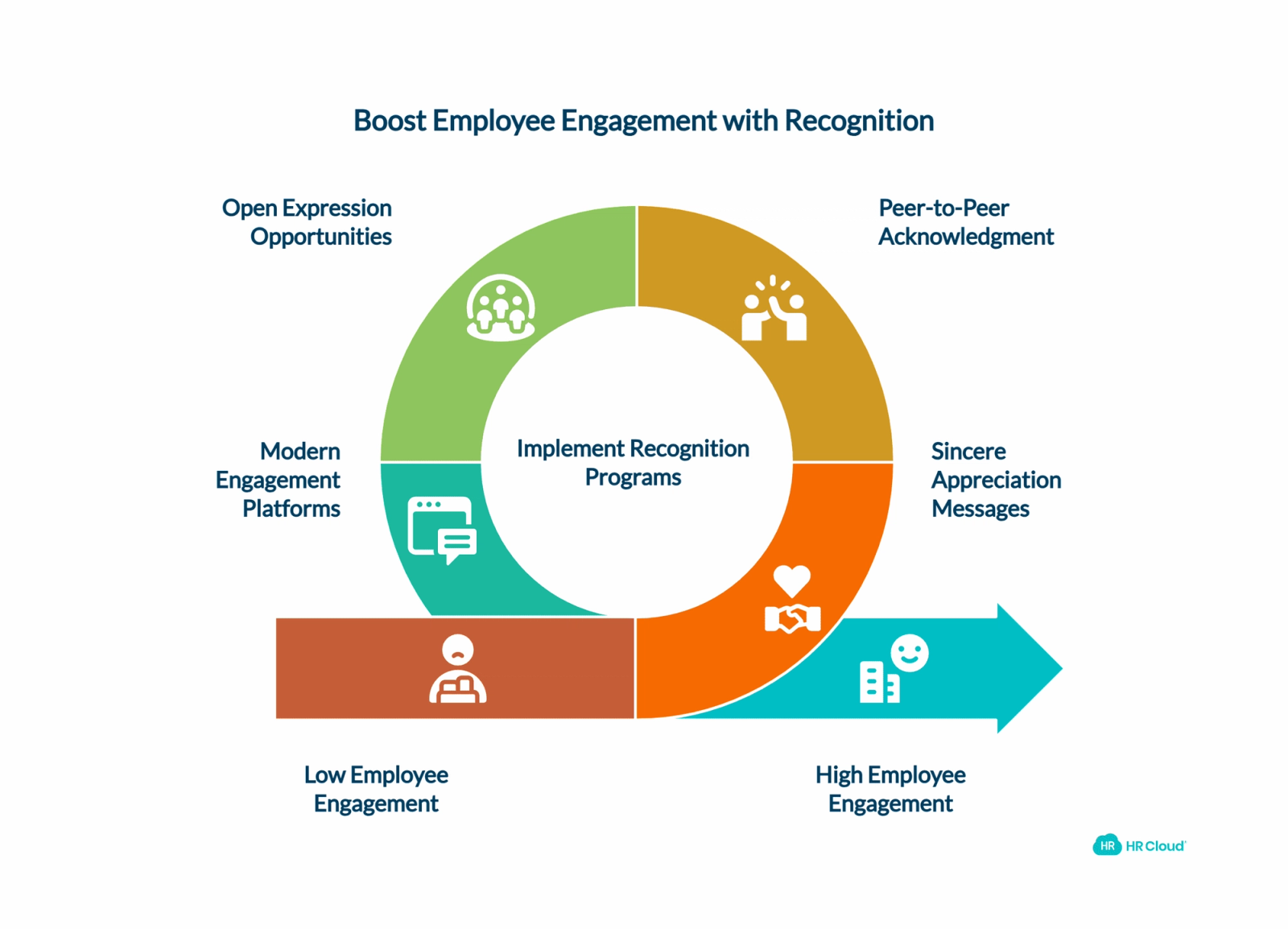
Employee appreciation directly impacts three critical business metrics: engagement, retention, and performance. When people feel valued through sincere appreciation messages, workplace dynamics improve measurably.
Key Statistics on Recognition Impact (2024-2025):
- 2.7x higher engagement when recognized weekly
- 87% less likely to leave within one year
- 31% lower voluntary turnover with recognition programs
- 23% higher profitability in recognition cultures
- 66% of employees would leave if they don't feel appreciated
Employee recognition programs that include peer-to-peer acknowledgment create psychological safety, strengthen collaboration, and boost morale across departments. Modern employee engagement platforms like Workmates make delivering timely recognition seamless—whether your team works on-site, remotely, or across multiple locations.
Effective performance management requires providing employees with constructive feedback paired with genuine recognition. As a leader, creating opportunities for authentic appreciation contributes to a positive and engaged workplace culture that attracts and retains top talent.
Understanding Employee Appreciation: Key Concepts
Recognition vs. Rewards:
- Recognition = Verbal or written acknowledgment of specific behaviors or achievements
- Rewards = Tangible compensation (gift cards, bonuses, extra PTO)
- Best practice = Combine both for maximum impact on employee retention
Organizations with strong recognition cultures experience measurably better business outcomes. According to research from Gallup, companies that prioritize appreciation see 31% lower voluntary turnover and 23% higher profitability compared to those without structured recognition programs.
Why Weekly Recognition Matters:
Research from Workhuman and Gallup indicates that employees should receive recognition at least once per week for optimal engagement impact. However, quality matters more than frequency—specific, authentic recognition weekly beats generic daily praise.
40 Professional Thank You Messages for Colleagues
Use these employee appreciation messages to recognize team members across various scenarios. Each message can be customized for your organization's communication style and company culture.
Messages for Exceptional Performance & Expertise
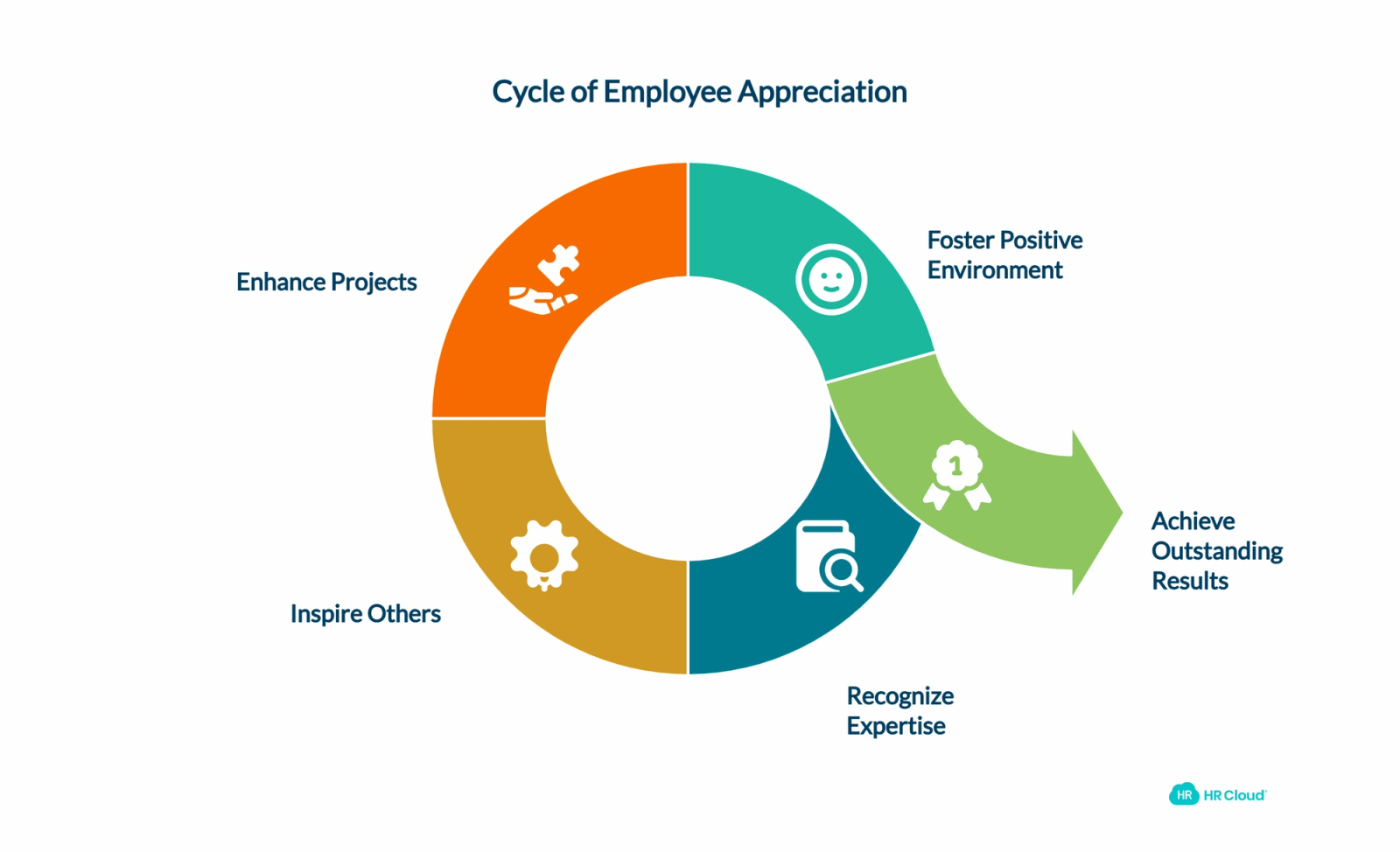
1. For technical expertise: "Your core technical expertise continues to elevate our software development team. The way you mentor junior developers while maintaining your own excellence sets a powerful example. Thank you for bringing both skill and generosity to our workplace."
2. For attention to detail: "Your remarkable eye for detail and willingness to give patient, thoughtful feedback in complex situations remain truly inspiring. You've become a role model for our entire department. Your commitment to our company values makes every project stronger."
3. For subject matter expertise: "Working with you has been a tremendous learning experience. Your domain knowledge is exceptional, and you make complex concepts accessible to everyone. You remain invaluable to our success in countless ways—thank you for your dedication to continuous learning and team development."
4. For energy and commitment: "Your support and commitment create a positive workplace environment that energizes everyone around you. Regardless of which team you join, your infectious enthusiasm drives productivity. It's been a genuine pleasure working alongside you."
5. For organizational excellence: "The incredible work ethic and organizational skills you bring to every project create lasting impact. You inspire your colleagues consistently. Thank you for your outstanding achievements and methodical approach to challenges."
Messages for Leadership & Mentorship
6. For role model behavior: "Your colleagues consistently describe you as a true role model. There's so much to learn from your professional approach and technical mastery. Your expertise remains unparalleled, and having you on our team is an immense privilege."
7. For professional ethics: "I want to express sincere appreciation for the professional ethics and expertise you demonstrate daily. Your actions speak volumes, inspiring everyone around you. You're a true asset to our organization, and I'm grateful for your leadership and motivation."
8. For team coordination: "Thank you for being a complete team player. Our efficiency depends on proper coordination, and your helpful nature makes collaboration effortless. It's truly great working with you—your commitment to team recognition strengthens our entire department."
9. For developing others: "Working with you has taught me the importance of supporting and nurturing fellow team members. I'm truly indebted to you for imparting this essential leadership skill. Thank you for being an amazing colleague and mentor."
10. For reliability: "Thank you for being someone we can always count on. In our company, you've emerged as the go-to person for getting critical work done right. You remain an inspiration, and I appreciate your commitment to excellence."

Messages for Collaboration & Support
11. For partnership: "Your presence as a colleague directly influences our team's productivity. It's no wonder we work so effectively together. Please accept my sincere thanks for your constant support and the positive energy you bring to every project."
12. For attitude and approach: "You're a great colleague in every sense. Your professional attitude and approach to work inspire me daily. There's genuinely so much to learn from you. Thank you for being the exceptional person you are."
13. For going above and beyond: "You've stepped out of your way countless times to help colleagues succeed. I want you to know your efforts never go unnoticed. Thank you—and please let me know when I can return the favor. Your commitment to peer recognition is admirable."
14. For thoughtful support: "Thank you for being the most thoughtful colleague I could ask for. Your support and words of wisdom mean everything to me. You make navigating busy workdays significantly easier. We truly make a great team, and I appreciate your dedication to our shared success."
15. For complementary skills: "As they say, two heads are better than one—you complement my work in so many ways. You've stood by me whenever I needed sound advice or assistance. Your efforts are commendable and truly inspiring. Thank you for your invaluable partnership."
Messages for Knowledge Sharing & Professional Development
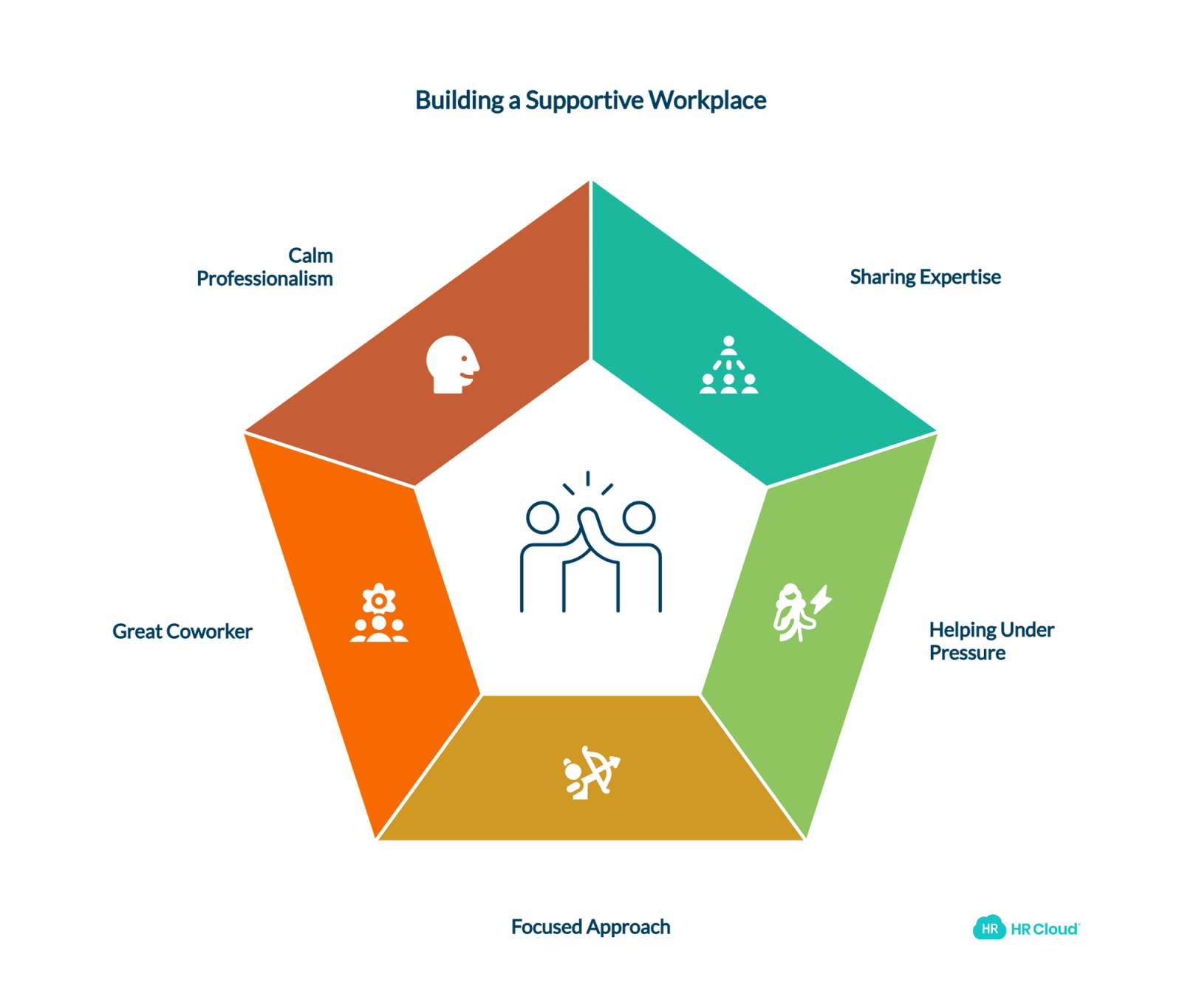
16. For sharing expertise: "Thank you for consistently sharing your professional knowledge and expertise. It's inspiring to work with a colleague who actively contributes to others' development ur employee engagement platform. You're a real asset to our work and our continuous learning culture."
17. For helping under pressure: "Thank you for always being a tremendous help around the office. Knowing that when any of us faces pressure, you're there to lend a hand—regardless of your own workload—means everything. Your continued support is deeply appreciated."
18. For focused approach: "Your focused approach toward achieving goals has inspired me in many ways. Your support has been invaluable for the entire team. Thank you for your professional approach, positive attitude, and commitment to our organizational values."
19. For being a great coworker: "I consider myself lucky to have a coworker like you. Working with you on any project is rewarding, and personally, I've learned tremendously from you. Thank you for your dedication to team collaboration and mutual success."
20. For calm professionalism: "Your calm demeanor and professionalism are truly inspiring, especially during challenging situations when everything around us feels chaotic. There's so much to learn from you at every step. I count myself fortunate—it's a genuine pleasure to work alongside you. Thank you for everything."
Shout Out Messages for Public Recognition
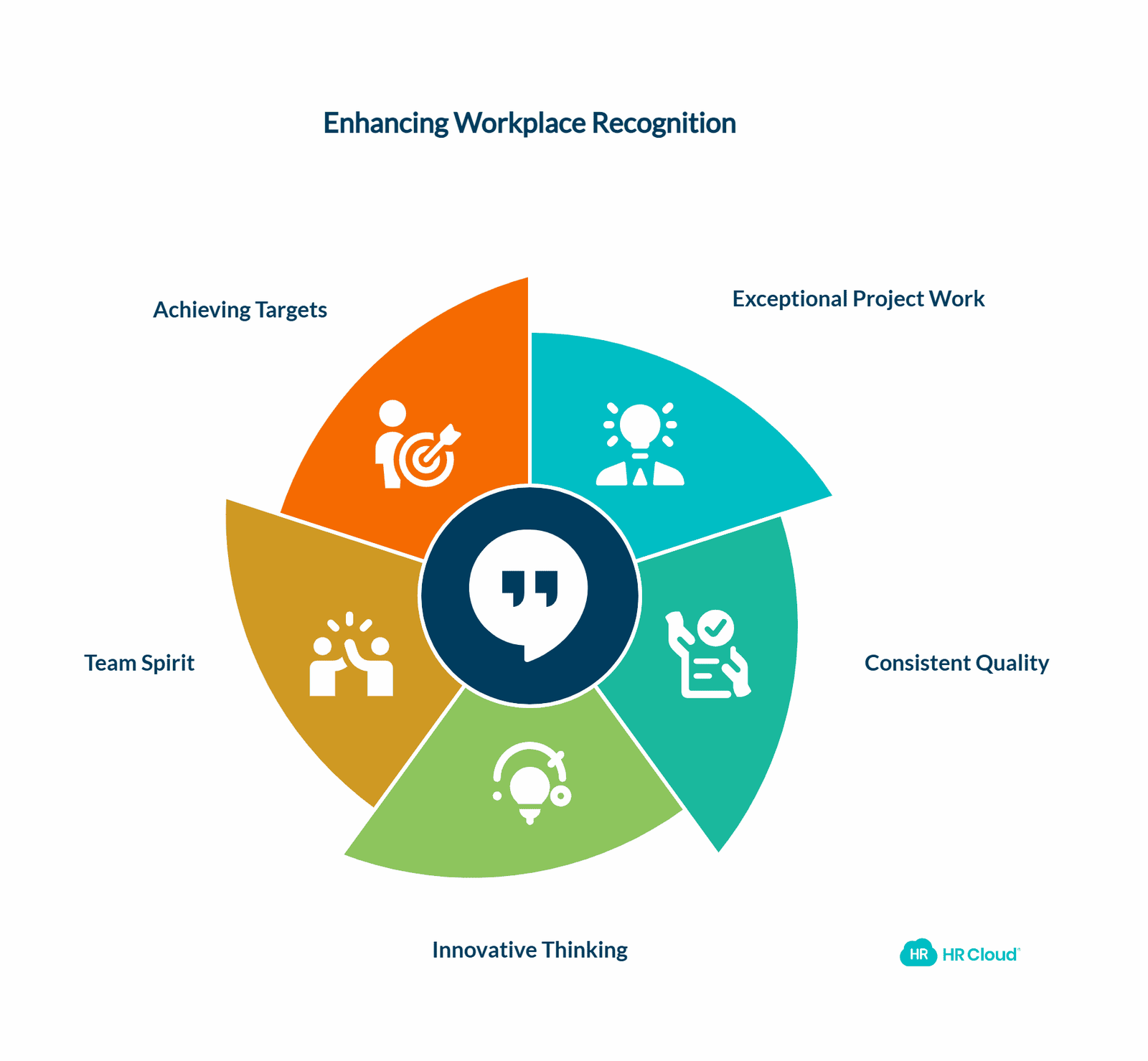
Shout-out messages work exceptionally well in employee engagement platforms like Workmates, Slack channels, team meetings, or company-wide communications. These public acknowledgments amplify appreciation's impact while creating a culture of recognition.
21. For exceptional project work: "Shout out to [Name] for going above and beyond on our recent product launch! Your dedication and problem-solving skills directly contributed to our success. Your hard work hasn't gone unnoticed—thank you for your outstanding effort!"
22. For consistent quality: "A big shout out to our amazing team member [Name] for consistently delivering high-quality work under tight deadlines. You're a true asset to our company and an inspiration to everyone around you!"
23. For innovative thinking: "Let's give a round of applause to [Name] for their innovative solution to our recent customer service challenge. Your creative thinking saved us weeks of work and impressed our clients. Your ingenuity is genuinely inspiring!"
24. For team spirit: "Shout out to [Name] for always being willing to lend a helping hand across departments. Your team spirit and collaborative approach make our workplace culture better every single day. Thank you for being such a positive force!"
25. For achieving targets: "A special shout out to [Name] for reaching—and exceeding—their sales target this quarter! Your persistence, customer focus, and hard work truly paid off. You've set an excellent example for the entire sales team!"
Messages for Specific Achievements & Milestones
26. For problem-solving: "Your analytical approach to solving our inventory management issue was brilliant. Thank you for taking the time to understand the root cause and developing a solution that works for all departments. Your strategic thinking benefits us all."
27. For customer focus: "The feedback we received from [Client Name] about your exceptional service was glowing. Thank you for representing our company values so well and going the extra mile to ensure customer satisfaction. Your dedication to excellence shows in every interaction."
28. For meeting deadlines: "Thank you for pulling together that complex report on such short notice. Your ability to deliver quality work under pressure—while maintaining attention to detail—is remarkable. Your professionalism makes everyone's job easier."
29. For process improvement: "The new workflow process you proposed has already saved our team hours each week. Thank you for taking the initiative to identify inefficiencies and develop a practical solution through our performance management system. Your continuous improvement mindset elevates our entire operation."
30. For onboarding new team members: "Thank you for taking such good care of our new hires during their onboarding process. Your welcoming approach and patience answering questions help new team members feel comfortable and productive quickly. Your mentorship is invaluable."
Messages for Supporting Work Culture
31. For fostering inclusion: "Thank you for creating such an inclusive environment on our team. Your conscious effort to ensure everyone's voice is heard and valued makes our meetings more productive and our team stronger. Your leadership in this area is appreciated."
32. For positive attitude: "Your positive attitude is contagious and makes even challenging days more manageable. Thank you for bringing optimism and humor to our workplace. You remind us all why we enjoy working here."
33. For flexibility: "Thank you for being so flexible when we needed to shift priorities mid-project. Your adaptability and willingness to pivot without complaint kept us on track. Your team-first mentality is truly appreciated."
34. For transparent communication: "I appreciate your commitment to transparent, honest communication. Your willingness to address issues directly—while remaining respectful—helps our team operate more effectively through our internal communication platform. Thank you for modeling excellent workplace communication."
35. For celebrating others: "Thank you for always being the first to celebrate others' successes. Your genuine enthusiasm when colleagues achieve milestones creates a supportive atmosphere. Your commitment to peer recognition strengthens our entire team culture."
Messages for Long-Term Contributions
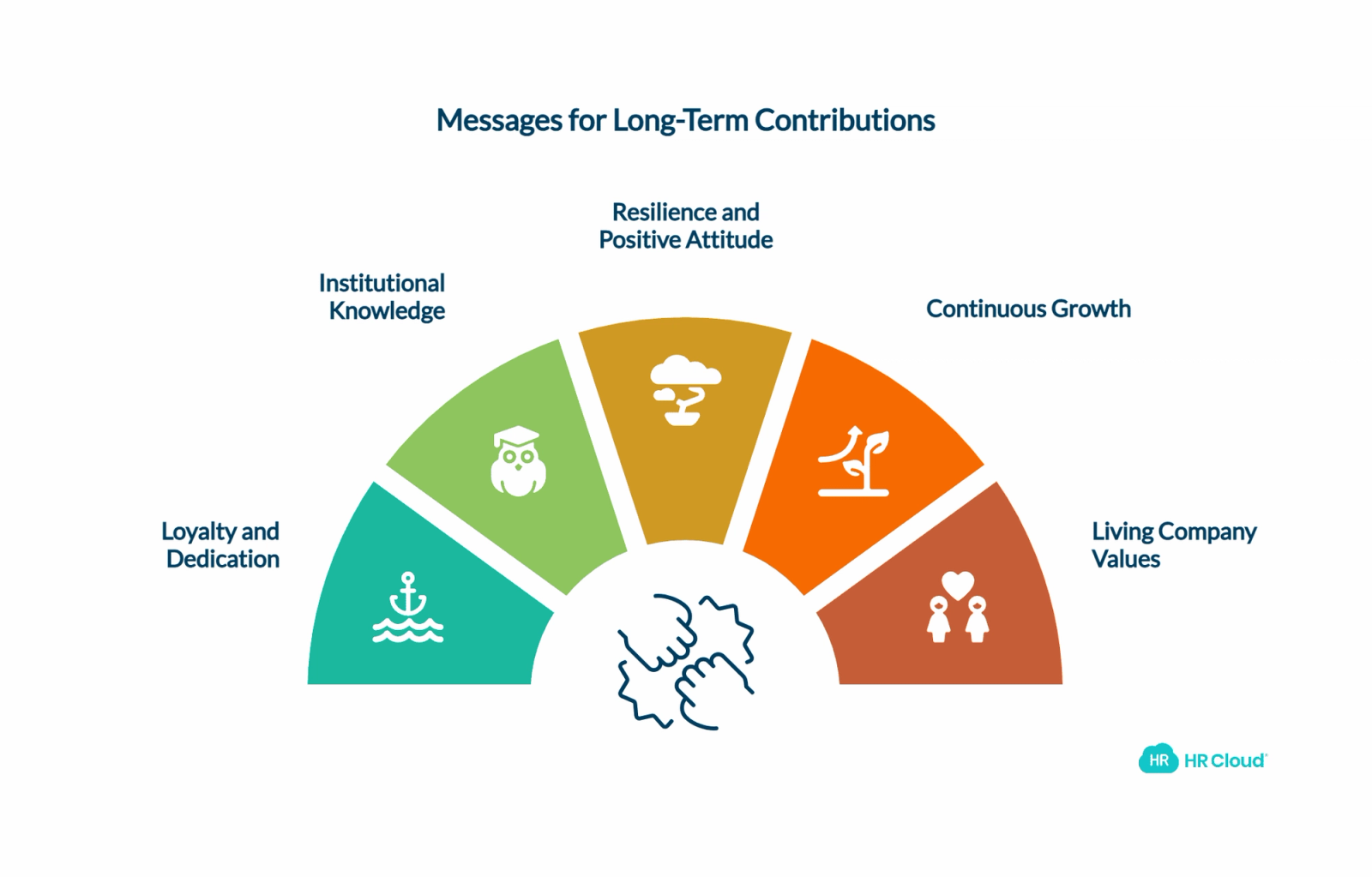
36. For loyalty and dedication: "Your five years with our company represent countless contributions that have shaped who we are today. Thank you for your loyalty, dedication, and unwavering commitment to our mission. Here's to many more years of partnership!"
37. For institutional knowledge: "Thank you for being our go-to resource when we need historical context or technical background stored in our HRIS system. Your institutional knowledge prevents us from reinventing wheels and helps new team members get up to speed faster. Your experience is invaluable."
38. For weathering storms together: "We've been through some challenging quarters together, and I want to acknowledge your resilience and positive attitude throughout. Thank you for staying committed to our team even when times were tough. Your loyalty means everything."
39. For continuous growth: "Watching you grow from [previous role] to [current role] has been inspiring. Thank you for your commitment to professional development through our performance management programand for taking on increasing responsibility. Your evolution benefits our entire organization."
40. For living company values: "Thank you for consistently embodying our company values in everything you do. You don't just talk about integrity, collaboration, and excellence—you demonstrate them daily. You're exactly the kind of colleague we hope everyone aspires to be."
How to Implement Effective Recognition Programs
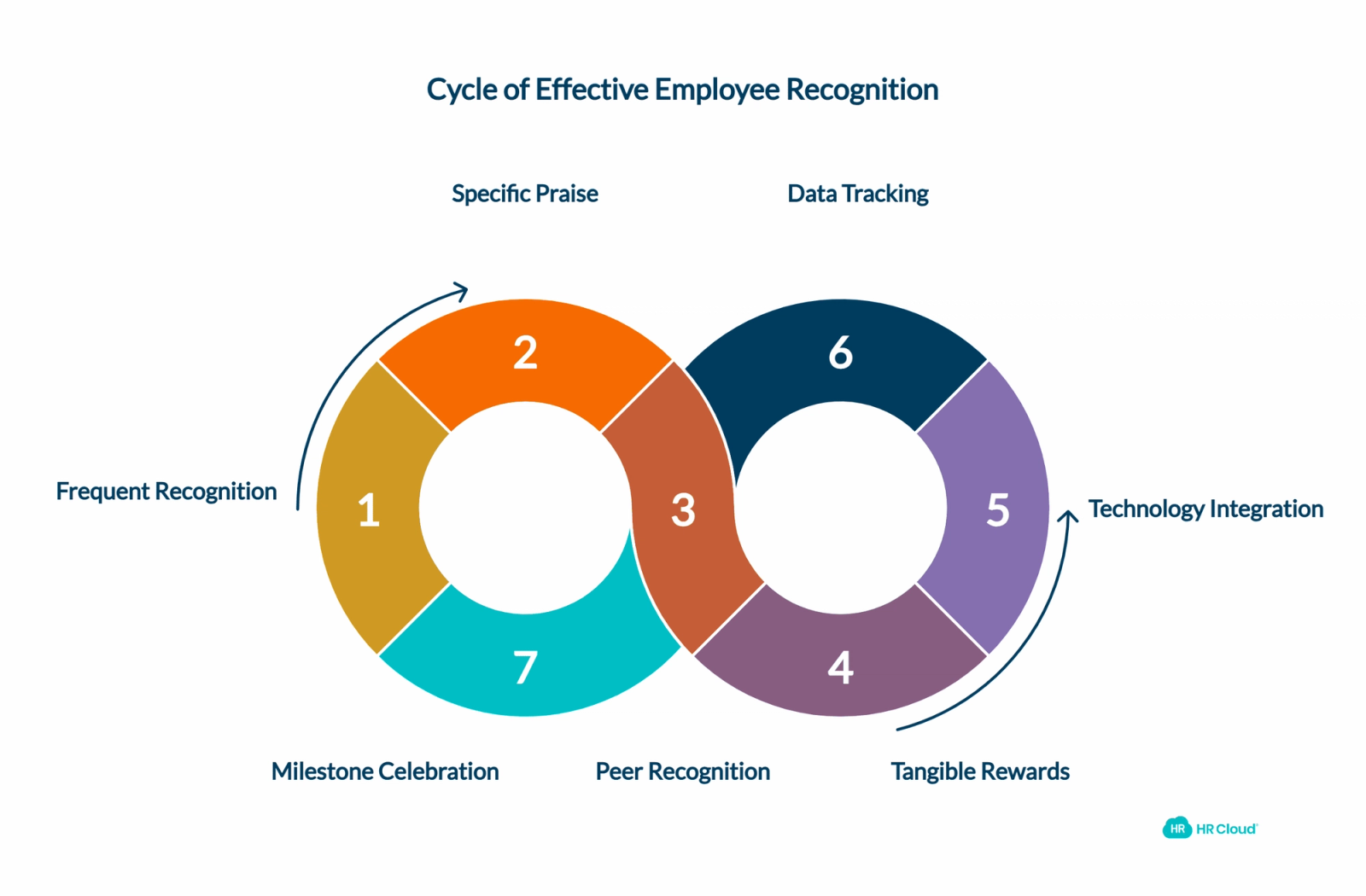
Creating a sustainable employee appreciation culture requires more than occasional thank you messages. Here's how to build recognition into your organization's DNA using modern HR technology:
1. Make Recognition Frequent and Specific
Research shows that employees who receive recognition at least once per week are 3x more likely to feel engaged (Gallup, 2024). Generic praise lacks impact—specific recognition tied to particular actions or behaviors drives meaningful behavioral reinforcement.
Best practice: Instead of "Great job!", try "Your detailed analysis in yesterday's client presentation directly addressed their concerns about ROI. That preparation turned a skeptical prospect into an enthusiastic partner."
2. Enable Peer-to-Peer Recognition
Manager-led recognition remains important, but peer-to-peer appreciation creates broader cultural impact. When colleagues recognize each other's contributions, it builds camaraderie and distributes recognition more equitably across all levels.
Implementation tip: Modern employee recognition platforms like Workmates enable team members to send digital kudos instantly via mobile app or desktop, creating a continuous recognition flow without administrative burden.
3. Combine Appreciation with Tangible Rewards
While verbal recognition drives emotional engagement, pairing appreciation with meaningful rewards amplifies impact. Consider implementing a points-based recognition system where appreciated employees accumulate points redeemable for rewards aligned with personal preferences.
Reward options:
- Gift cards to popular retailers (100+ options in Workmates)
- Custom rewards catalog aligned to your culture
- Extra PTO or flexible scheduling
- Professional development opportunities
- Experience-based rewards (concert tickets, restaurant vouchers)
- Charitable donations to causes employees care about
How it works: When someone receives recognition in Workmates, you can tie recognition badges to point values. Employees accumulate points over time and redeem them through the rewards catalog—all tracked automatically within the engagement platform.
4. Leverage Technology for Scalable Recognition
Manual recognition programs struggle to scale across distributed workforces. Employee engagement software centralizes recognition, making it visible, trackable, and accessible to remote, hybrid, and frontline teams equally.
Key features to look for:
- Mobile accessibility for deskless workers - Workmates' mobile app ensures frontline employees receive recognition even without computer access
- Slack and Microsoft Teams integration - Recognition syncs with communication tools teams already use
- Real-time recognition feed showcasing all appreciation - Workmates displays all recognition in a social media-style feed that creates visibility and momentum
- Analytics dashboards tracking recognition patterns and engagement correlation
- Customizable badges and awards aligned with company values
- ADP and HRIS integration - Workmates integrates with major payroll systems like ADP, Workday, and UKG for seamless data flow
Workmates provides all these capabilities in a unified platform, ensuring no team member feels excluded from appreciation—regardless of location or role.
“The platform connects associates to each other in a way that doesn’t happen through email.”
— Gail Gust, Director of Marketing and Business Development

5. Track Recognition Impact with Data
Effective recognition analytics help HR leaders understand program effectiveness and identify gaps. Key metrics to monitor:
- Recognition frequency by department and manager
- Participation rates in giving and receiving appreciation
- Correlation between recognition and engagement scores (measured via pulse surveys)
- Retention rates among frequently recognized vs. under-recognized employees
- Values alignment (which company values get recognized most frequently)
Data-driven insight: Organizations tracking these metrics typically discover that managers account for 60-70% of recognition initially. Successful programs shift this balance toward 50%+ peer-to-peer recognition over 6-12 months.
Workmates provides real-time analytics and leaderboards showing:
- Who's giving and receiving recognition
- Which departments are most engaged
- Recognition trends over time
- Most popular recognition badges
- Correlation between recognition and survey responses
6. Celebrate Milestones Systematically
Work anniversaries, project completions, and personal achievements deserve structured recognition. Automated reminders ensure no milestone gets overlooked, while customizable celebration workflows maintain consistency.
Milestone recognition checklist:
- Work anniversaries (1, 3, 5, 10+ years)
- Project completion (especially complex, long-term initiatives)
- Professional certifications or continuing education
- Promotion announcements
- Successful client outcomes or wins
- Team achievement milestones
Workmates automation: Set up automatic anniversary posts that appear in the company feed when employees reach tenure milestones. Employees across all locations can like, comment, and add their own recognition messages—creating a comprehensive celebration visible company-wide.
Common Mistakes to Avoid in Employee Appreciation
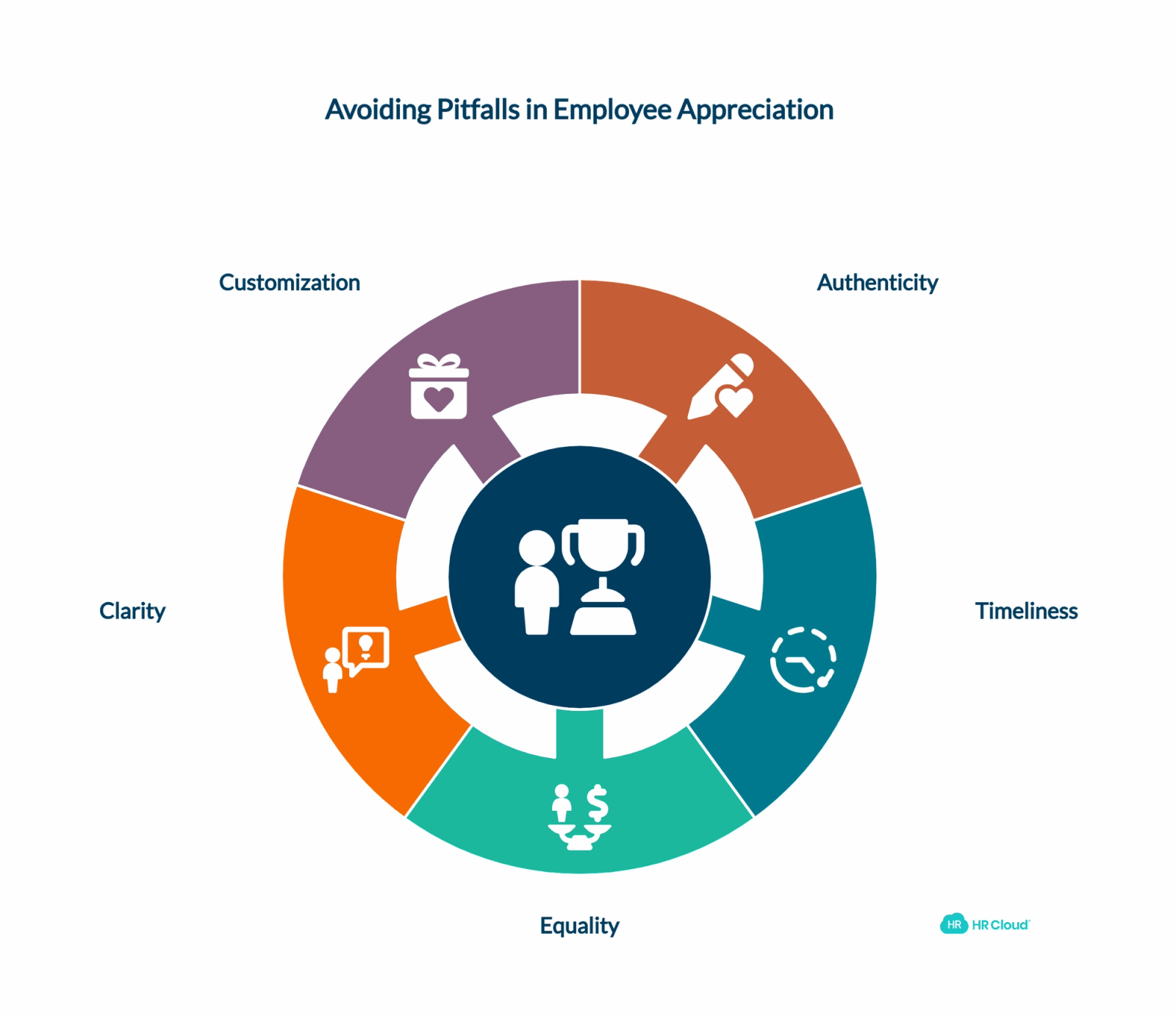
Even well-intentioned recognition programs can fail without proper execution. Avoid these pitfalls:
1. Recognition without authenticity - Generic, copy-paste messages feel hollow. Personalize every appreciation instance with specific details about what someone did and why it mattered. Workmates allows customization of every recognition message to maintain authenticity at scale.
2. Delayed recognition - Acknowledge contributions promptly. A thank you delivered three weeks after the fact loses emotional impact compared to real-time appreciation. Mobile apps enable instant recognition from any location.
3. Inequality in recognition distribution - When only certain employees or departments receive appreciation, resentment builds. Use recognition analytics to identify and correct imbalances across locations, departments, and employee levels.
4. Confusing recognition with criticism avoidance - Appreciation isn't a substitute for addressing performance issues. Maintain both recognition for strengths and constructive feedback for development areas through performance management systems.
5. One-size-fits-all approaches - Different employees value different forms of recognition. Some prefer public acknowledgment; others appreciate private thank yous. Offer multiple recognition methods through your engagement platform.
6. Forgetting frontline workers - Desk-based employees often receive disproportionate recognition because they're more visible. Ensure your recognition technology reaches all workers, including those without computer access, through mobile-first design.
7. Lack of manager accountability - Recognition shouldn't be optional for managers. Set clear expectations that managers recognize direct reports weekly, and track compliance through analytics dashboards.
Transform Your Workplace with Recognition Technology
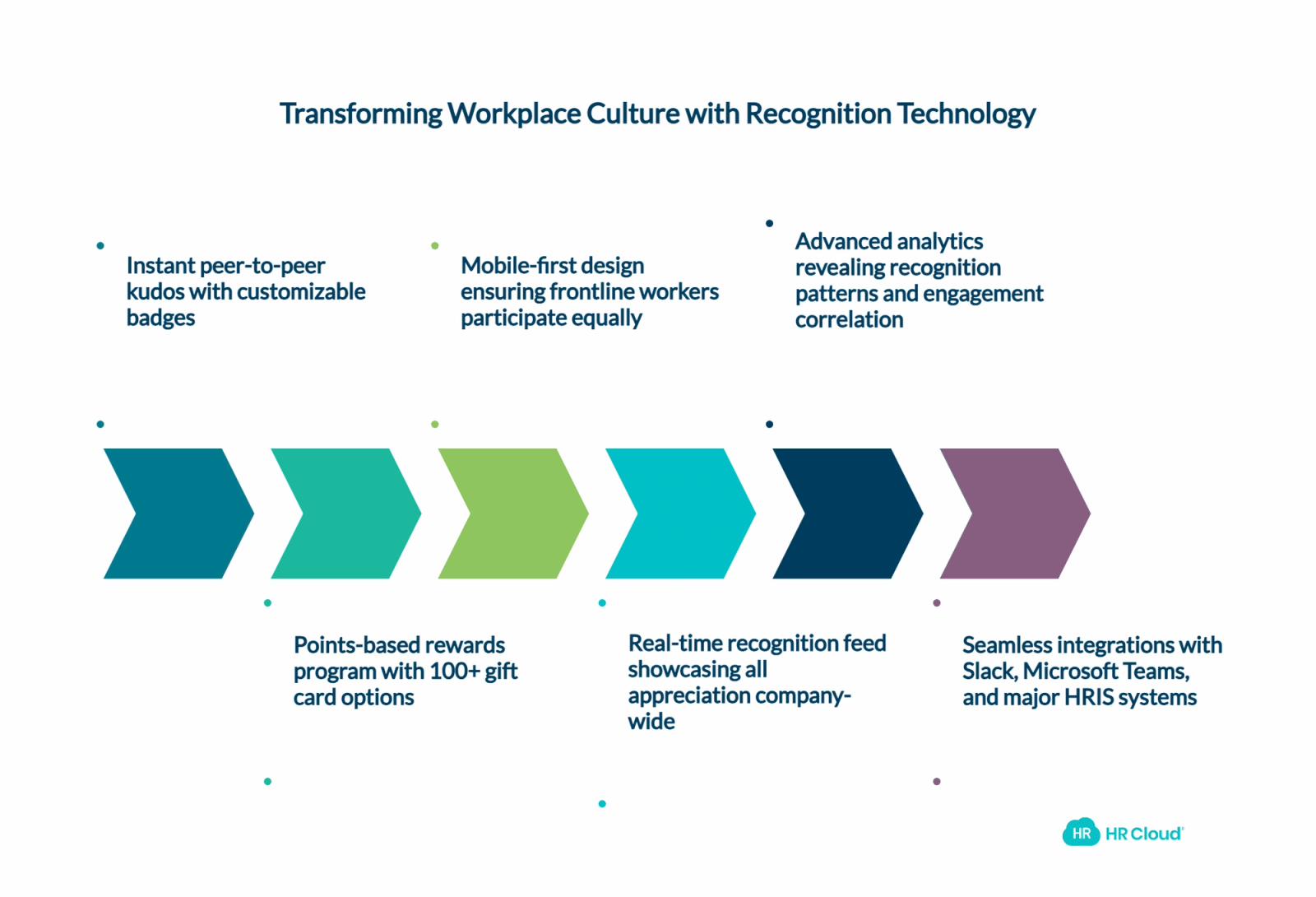
Implementing consistent, meaningful employee appreciation at scale requires the right tools. Workmates by HR Cloud provides a comprehensive employee engagement platform that makes recognition effortless:
Core Recognition Features:
- Instant peer-to-peer kudos with customizable badges reflecting company values
- 360-degree recognition system - employees recognize each other, managers, and vice versa
- Points-based rewards program with 100+ gift card options and custom rewards
- Social media-style recognition feed - All appreciation visible company-wide with likes and comments
- Recognition leaderboards showing top givers and receivers across the organization
Technology That Scales:
- Mobile-first design ensuring frontline workers participate equally through our mobile app
- Real-time recognition feed showcasing all appreciation company-wide
- Seamless integrations with Slack, Microsoft Teams, and major HRIS systems
- ADP integration - Sync employee data automatically from ADP Workforce Now
- White-label mobile app - Brand the recognition app with your company name and colors
- Offline capability - Recognition syncs when connectivity returns for field workers
Advanced Analytics:
- Recognition frequency by department, location, and manager
- Participation rates in giving and receiving appreciation
- Correlation between recognition and employee engagement survey scores
- Most popular recognition badges aligned to company values
- Recognition trends over time with predictive retention insights
Multi-Location Support:
- Custom channels for different locations, departments, or business units
- Recognition visible across all locations while maintaining team-specific communities
- Centralized analytics showing recognition patterns across distributed teams
- Mobile access ensures remote and frontline workers participate equally
Book a demo to see how Workmates can transform your organization's appreciation culture—or explore our recognition and rewards platform to learn more about building sustainable recognition programs that drive measurable business outcomes.
Ready to Scale Recognition Across Your Organization?
You now have 40 professional thank you messages for colleagues and a comprehensive understanding of recognition best practices. But transforming these examples into sustainable culture change requires the right technology foundation.
Companies using Workmates report:
- 47% increase in employee engagement scores
- 31% reduction in voluntary turnover
- 89% of employees actively participating in peer recognition
- 95% mobile app adoption among frontline workers
Schedule your free demo today to see how Workmates makes recognition seamless across distributed teams, or download our Employee Recognition Program Implementation Guide for step-by-step instructions on launching your program.
Conclusion: Building a Culture of Appreciation
Expressing gratitude through employee appreciation messages isn't just good manners—it's strategic workforce management with measurable ROI. Organizations that prioritize recognition experience demonstrably better outcomes: higher engagement, lower turnover, stronger performance, and more positive workplace cultures.
These 40 professional thank you messages for colleagues provide a starting point, but authentic appreciation culture requires ongoing commitment supported by the right technology. Make recognition frequent, specific, equitable, and technology-enabled to create sustainable impact.
Employee Appreciation Day (March 7, 2025) offers a perfect opportunity to launch or revitalize your recognition programs—but the real value comes from making appreciation part of daily workflows year-round through platforms like Workmates.
Whether through verbal praise, written messages, public shout-outs, or technology-enabled employee recognition apps, consistent appreciation transforms workplace relationships and drives the business outcomes that matter most: engagement, retention, productivity, and profitability.
Start showing appreciation today and watch how it elevates your organization's employee experience, strengthens team collaboration, and drives the retention and performance metrics that matter most.
Ready to scale your recognition efforts? Explore Workmates to discover how modern technology makes meaningful appreciation accessible to every team member—whether they work remotely, in the office, or on the front lines.

Experience how Workmates can transform communication and strengthen culture—all in one powerful platform
Book Your Free DemoFrequently Asked Questions (FAQ)
Q: What are some professional ways to say thank you to a coworker?
A: Professional thank you messages should be specific, sincere, and timely. Reference particular actions or contributions: "Thank you for staying late to help finalize the client presentation. Your design expertise made the difference in landing this account." Tailor your message to the situation and relationship—public recognition works for major achievements, while private notes suit personal support.
Q: How do I write an appreciation message to my team?
A: Effective team appreciation messages acknowledge collective effort while recognizing individual contributions. Start with overall team achievement, highlight specific contributions from team members, and express gratitude for collaboration. Example: "Our Q4 launch succeeded because of this team's extraordinary collaboration. Special thanks to [Name] for project management, [Name] for technical execution, and [Name] for client coordination. I'm grateful to work with such a dedicated group."
Q: Why is employee appreciation important in the workplace?
A: Employee appreciation directly impacts engagement, retention, and performance. Research shows recognized employees are 2.7x more likely to be highly engaged and 87% less likely to leave within a year. Appreciation creates psychological safety, strengthens relationships, and reinforces desired behaviors. Organizations with strong recognition cultures experience 31% lower turnover and 23% higher profitability compared to those without structured programs.
Q: What is a shout out message for employee recognition?
A: A shout-out message is public acknowledgment of someone's contribution shared with a broader audience (team meeting, Slack channel, company newsletter). Effective shout-outs are specific about what the person did and why it mattered: "Shout out to Sarah for solving our inventory tracking issue! Her solution saved our warehouse team 5 hours per week and eliminated order fulfillment errors completely. Great work, Sarah!"
Q: How often should you recognize employees for their contributions?
A: Research indicates employees should receive recognition at least weekly for optimal engagement impact. However, quality matters more than frequency—specific, authentic recognition weekly beats generic daily praise. Create a mix of formal recognition (quarterly awards, annual celebrations) and informal appreciation (spontaneous thank yous, peer kudos). Use employee engagement platforms to make frequent recognition scalable without adding administrative burden.
Q: What tools can I use to recognize employees at work?
A: Modern recognition tools include employee engagement platforms like Workmates (peer-to-peer kudos, rewards programs, analytics), communication apps (Slack, Microsoft Teams) with recognition integrations, digital eCards for quick thank yous, and HRIS systems with recognition modules. The most effective tools enable mobile access, support peer recognition, offer customizable rewards, provide analytics, and integrate with existing workflows to remove friction from appreciation.
Q: What's the difference between employee recognition and rewards?
A: Recognition is acknowledgment of specific contributions through words, gestures, or public praise—it addresses emotional needs for appreciation. Rewards are tangible compensation like gift cards, bonuses, or extra benefits—they address material recognition. Both matter: recognition provides frequent positive reinforcement while rewards mark significant achievements. Most effective programs combine frequent low-cost recognition with occasional meaningful rewards for maximum impact.
Q: How do recognition programs improve employee retention?
A: Recognition programs address a primary reason employees leave: feeling undervalued. When employees receive regular appreciation for contributions, they develop stronger emotional connection to their organization and colleagues. Studies show employees who feel recognized are 87% less likely to leave within a year. Recognition programs also create culture of appreciation that improves overall workplace satisfaction, making retention improvement a natural byproduct.
Keep Reading


Like What You Hear?
We’d love to chat with you more about how HR Cloud® can support your business’s HR needs.
Book Your Free Demo