
 Communicate

 Recognize
 Engage
 HR Operations
 Company Announcements
 Internal Communication
 Crisis Communication
 Employee Advocacies
 Recognition
 Rewards
 Company Challenges
 Powerful Analytics
 Company Culture
 Polls and Surveys
 Campaign Manager
 Content Management System
 Directory & Org-Chart
 Digital Signage
 New-Hire Onboarding
 Offboarding
 Time Off (PTO)
 Employee Database
 Recruit ATS
 Performance Management
 Time Clock
 Forms & Checklists
 HR Automation
 FB Workplace Alternative
 Customize to Fit Your Brand
 Enterprise Social Network
 Employee App
 Healthcare
 Technology
 Manufacturing
 Hospitality
 Education
 Food & Beverage
 Construction
 Retail
 Public Sector
 For Enterprise
 For Growth
 For Startup
 IT
IT
 HR
HR
 ADP Integration
 UKG Integration
 Intuit Integration
 Paylocity Integration
 All Integrations
 Webinars
 Case Studies
 Blog
Blog
 Ebooks
 Glossary
 About HR Cloud
 Customer Experience
 Integrations
 Reviews
 Contact Us
.png)

- 1. Celebrate the Small Things
- 2. Share Positive Customer Reviews
- 3. Talk About Your Personal Achievements
- 4. Pick an Employee of the Month
- 5. Acknowledge achievements on video calls
- 6. Food delivery and takeout discounts
- 7. Share Important Dates
- 8. Send a Gift
- 9. Provide Professional Development
- 10. Make Work a Game
- 11. Take a Day Off
- 12. Schedule a Virtual Hangout
- 13. Be More Flexible
- 14. Celebrating Your Remote Employees
- 15. Provide equipment for remote work


Did you know that as of 2025, 79% of U.S. employees in remote-capable jobs work at least partly remotely, with 52% on hybrid schedules and 27% fully remote according to Gallup's latest workplace research? Yet despite this massive shift, recognition gaps persist. Research from Gallup and Workhuman reveals that 45% of employees who receive meaningful recognition are less likely to leave their jobs—but only 22% strongly agree they receive the right amount of recognition for their work.
The challenge is even more acute for distributed teams. When remote employees feel overlooked, 66% say they would leave their job if they didn't feel appreciated, and disengagement costs rise sharply. Whether you manage a handful of remote employees or hundreds across multiple time zones, showing authentic appreciation isn't just good leadership—it's essential for retention, productivity, and building a thriving remote company culture.
Fortunately, modern employee engagement platforms like HR Cloud's Workmates make it easier than ever to build recognition into your daily workflow. While you can't meet everyone in person, you can leverage video calls, recognition feeds, digital rewards, and targeted appreciation strategies to make remote employees feel valued and connected to your mission.
Keep reading for 15 proven ways to recognize remote workers—plus insights on how to improve employee engagement across distributed teams.
1. Celebrate the Small Things
One of the easiest ways to show appreciation for remote employees is recognizing small accomplishments that often go unnoticed. According to Workhuman's 2024 research, employees who receive frequent recognition are 5x more likely to feel valued and motivated—and that includes celebrating seemingly minor wins.
For example, maybe your team consistently struggles with technology during virtual meetings. The next time everyone logs in smoothly without audio issues or screen-sharing delays, acknowledge it. A simple "Great job, everyone—we nailed the tech today!" can boost morale and reinforce positive behaviors.
You can also celebrate meeting deadlines, completing a difficult client deliverable, or even personal milestones like work anniversaries. When working remotely, these moments can easily be overlooked, yet they matter deeply to employee satisfaction.
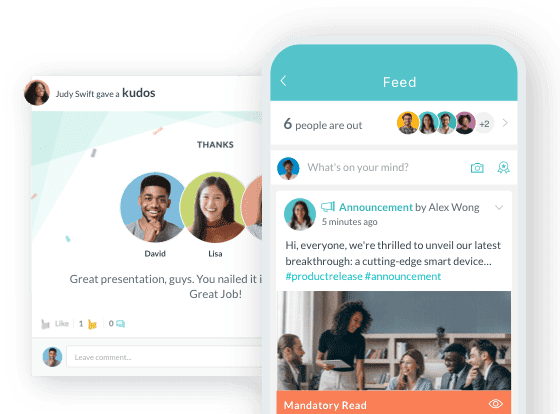
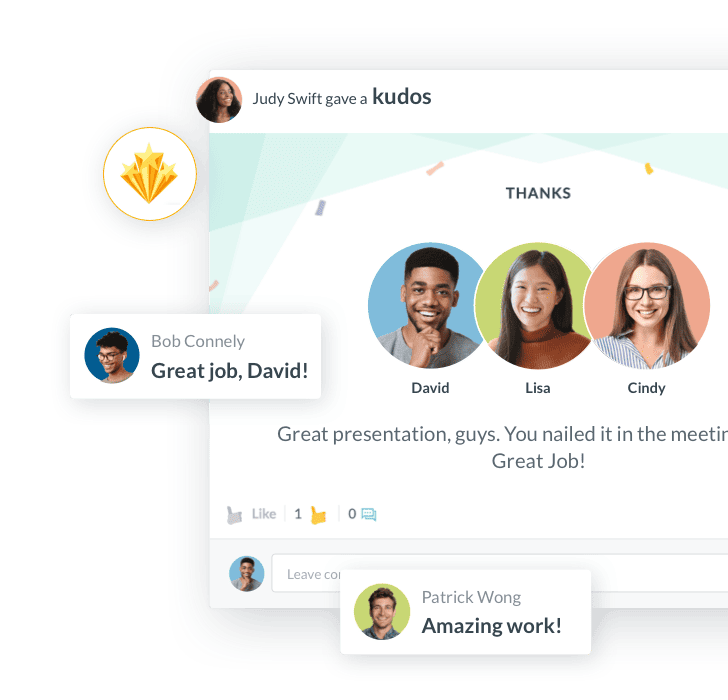
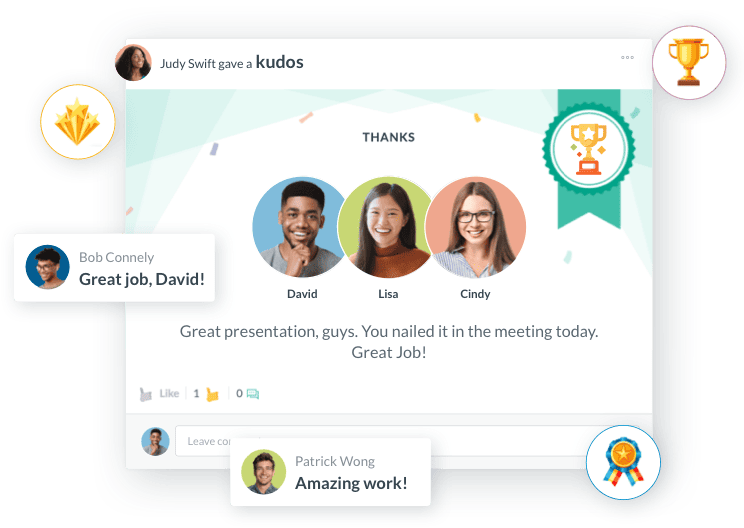
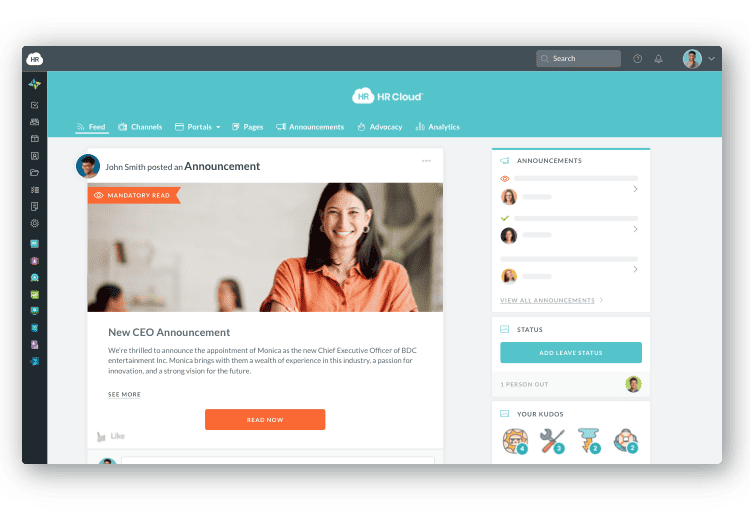
Pro Tip: Use HR Cloud's Workmates recognition feed to give instant kudos and build a social media-style culture of appreciation. Employees can like, comment, and react to recognition posts—creating visibility and reinforcing the behaviors you want to see more of across your distributed team.
Remember, Gallup research shows that recognizing employees at least once per week is optimal for driving engagement. Small, frequent celebrations add up to significant impact on retention and performance.
2. Share Positive Customer Reviews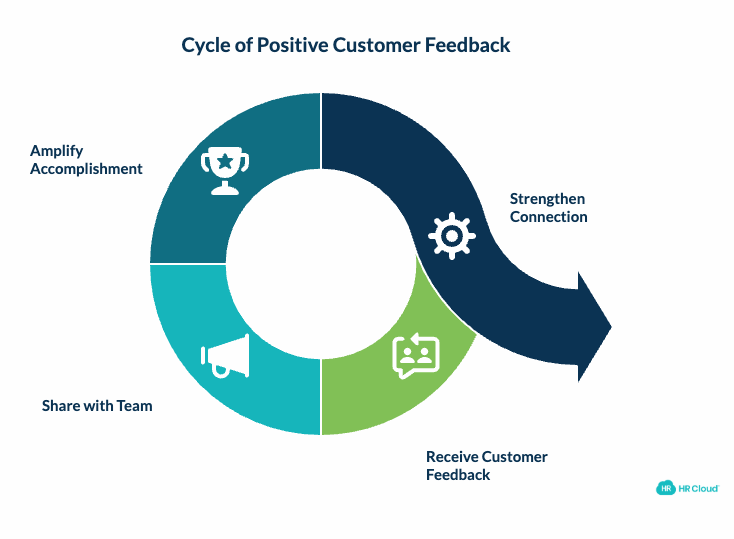
Nothing validates hard work like positive feedback from the people who matter most—your customers. When remote teams deliver exceptional results, sharing that external validation amplifies their sense of accomplishment and connection to organizational goals.
Consider sending a monthly or weekly email newsletter highlighting glowing customer reviews, testimonials, or case study wins. Even better, use HR Cloud's Workmates company announcements feature to broadcast customer praise across your entire organization in real-time, ensuring remote employees don't miss important recognition moments.
Example in Action: "Just received this email from Client X: 'Your support team resolved our issue in under 2 hours—best service we've experienced!' Huge shoutout to Sarah, Mike, and the entire remote support crew for making this happen. You're setting the bar for customer excellence."
When you can tie recognition to specific team members, personalize it. The Gallup-Workhuman research framework emphasizes that recognition must be authentic, personalized, and fulfilling to drive engagement. Generic praise falls flat—specific, timely acknowledgment of individual contributions creates the memorable moments that reduce turnover by up to 45%.
You can also use a platform like HR Cloud to help recognize your remote team with effective employee recognition software. Workmates has a "kudos" feature that you can use to build a culture of recognition with rewards or give out a shout-out to specific employees.
Implementation Tip: Set up a dedicated Workmates channel for "Customer Wins" where team leaders can share positive feedback immediately after receiving it. This creates a continuous stream of validation and reinforces the direct connection between remote employees' efforts and business outcomes.
3. Talk About Personal Achievements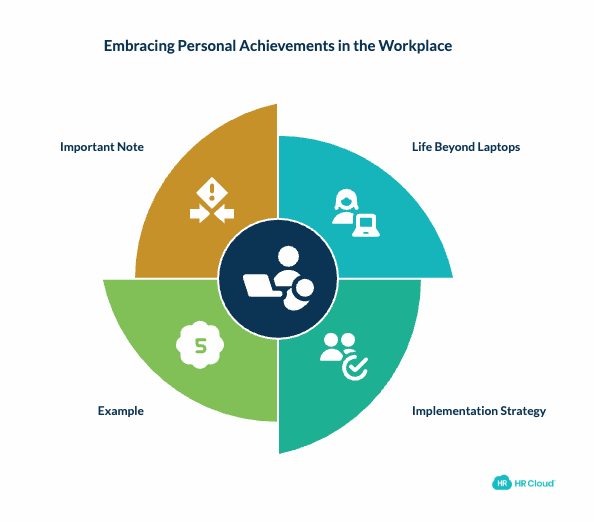
Work is important, but your employees are whole people with lives beyond their laptops. When you take genuine interest in personal milestones—buying a home, welcoming a new family member, completing a marathon, or starting a meaningful hobby—you demonstrate that you value them as individuals, not just as productivity units.
According to SHRM research, 83% of employees report that flexibility and personal recognition make them happier and more likely to stay with their employer long-term. Recognition that acknowledges the whole person—not just work output—strengthens belonging and loyalty.
How to Implement: During team check-ins or one-on-ones, ask about life outside work. When someone shares exciting news, celebrate it publicly (with their permission). Use your employee engagement platform's recognition features to give shoutouts for personal achievements, and encourage peer-to-peer recognition for these moments.
Example: "Congratulations to Jennifer who just completed her first 5K last weekend! We're proud to have such dedicated teammates who set goals and crush them—both at work and in life.
Important Note: Don't pressure employees to share personal details. Some prefer to keep work and personal life separate, and that boundary should be respected. The key is creating an environment where people can share if they choose to, knowing they'll be celebrated.
4. Pick an Employee of the Month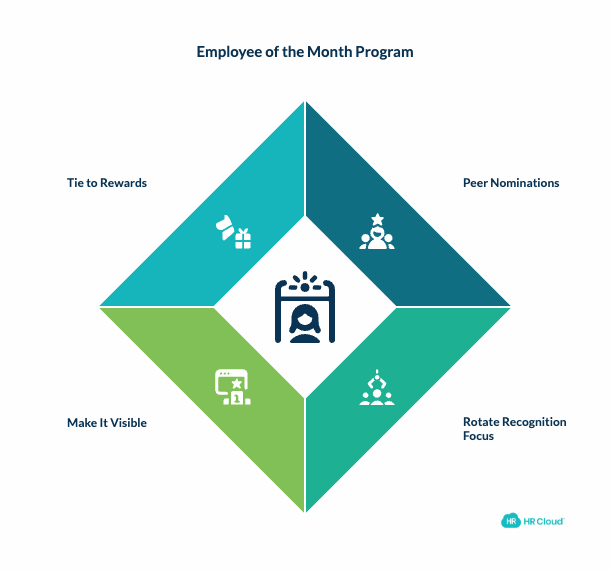
Employee of the Month programs can be powerful recognition tools—if done right. The key is ensuring the selection process is fair, transparent, and focused on recognizing genuinely exceptional contributions rather than creating a popularity contest that breeds resentment.
Best Practices for Remote Teams:
1. Implement Peer Nominations: Research from Workhuman shows that 41% of employees want recognition from peers, and peer-to-peer recognition programs increase satisfaction by 35%. Let team members nominate colleagues who went above and beyond, providing specific examples of their impact.
2. Rotate Recognition Focus: Don't limit recognition to sales performance or client-facing roles. Rotate monthly focus areas—one month for innovation, another for collaboration, another for customer service excellence. This ensures diverse contributions get visibility.
3. Make It Visible: Share winner announcements through your employee intranet and conduct a brief spotlight interview. Ask questions like "What motivates you?" or "What's your best productivity tip?" Then share the interview in a company newsletter or on your Workmates feed.
4. Tie to Rewards: According to Gallup research, monetary rewards increase recognition effectiveness by 20%. Consider pairing Employee of the Month with a gift card, extra PTO day, or points in your employee rewards program that can be redeemed for personalized benefits.
Implementation Example: "This month's Team Excellence Award goes to Marcus for redesigning our remote onboarding workflow, reducing new hire time-to-productivity by 30%. Marcus, your innovation is exactly what makes our distributed team thrive. Claim your $150 reward points in Workmates!"
Learn more about how to start an effective employee of the month program that drives engagement without creating division.
5. Acknowledge Achievements on Video Calls
Public recognition is one of the most powerful forms of appreciation. SHRM research indicates that 37% of employees say public recognition improves morale, and for remote workers who often feel invisible, being acknowledged in front of the team validates their contributions in meaningful ways.
Best Practices:
During Team Meetings: Start every video call with a "wins of the week" segment. Invite managers and peers to shout out colleagues who delivered exceptional work, solved difficult problems, or supported teammates.
Use Visual Recognition: Share screens to display recognition certificates, customer feedback emails, or performance metrics that highlight individual achievements. Visual elements make recognition more memorable and tangible for remote audiences.
Record and Share: Not everyone can attend every meeting due to time zones. Record recognition moments and share them on your internal communication platform so remote employees in different regions can experience the appreciation even if they weren't live.
Example Script: "Before we dive into today's agenda, I want to recognize Lisa's incredible work closing the Peterson account. She navigated three time zones, built trust with a skeptical C-suite, and turned a 6-month sales cycle into 3 months. Lisa, your tenacity and strategic thinking embody everything we value here. Let's give her a round of applause!" [Team unmutes and applauds.]
Pro Tip: Encourage peer-to-peer video recognition. Set up a Slack or Microsoft Teams integration with Workmates where employees can tag colleagues with kudos that appear in real-time during meetings. Research shows peer recognition boosts performance by 14% and creates a culture of mutual appreciation.
6. Food Delivery and Takeout Discounts
One of the most universally appreciated forms of remote employee recognition is helping them solve a daily challenge: meal planning. After working from home for months, recipe fatigue is real, and cooking every night while balancing work-life demands can be exhausting—especially for working parents.
Offering food delivery credits, local restaurant gift cards, or discounts through apps like DoorDash, Uber Eats, or Grubhub provides immediate, tangible value. It's a form of appreciation employees can literally taste, and it acknowledges the whole-person challenges of remote work.
Implementation Ideas:
Reward Extra Effort: When someone puts in overtime for a major deadline or goes above and beyond, send them a $50 meal delivery credit with a personal note: "Thanks for the late nights getting us across the finish line. Dinner's on us tonight—you've earned it."
Monthly Recognition Program: Set up a customizable rewards catalog through your HR platform where employees can redeem recognition points for restaurant gift cards, meal kits, or local dining experiences.
Team Celebrations: After hitting a quarterly goal, send every team member a virtual lunch budget and schedule a "lunch together, apart" video call where everyone orders in and eats together on camera.
Example Message: "Sarah, your client presentation was flawless. To celebrate, here's a $40 credit for your favorite takeout spot. Order something delicious tonight and relax—you've more than earned it."
Why This Works: Food recognition addresses both practical needs and emotional appreciation. It saves employees time, reduces decision fatigue, and creates a positive experience they associate with your organization. Plus, it's one of the few forms of recognition that extends to their family, indirectly showing appreciation for their support system. A great way to do that is through customizable employee rewards software.
7. Share Important Dates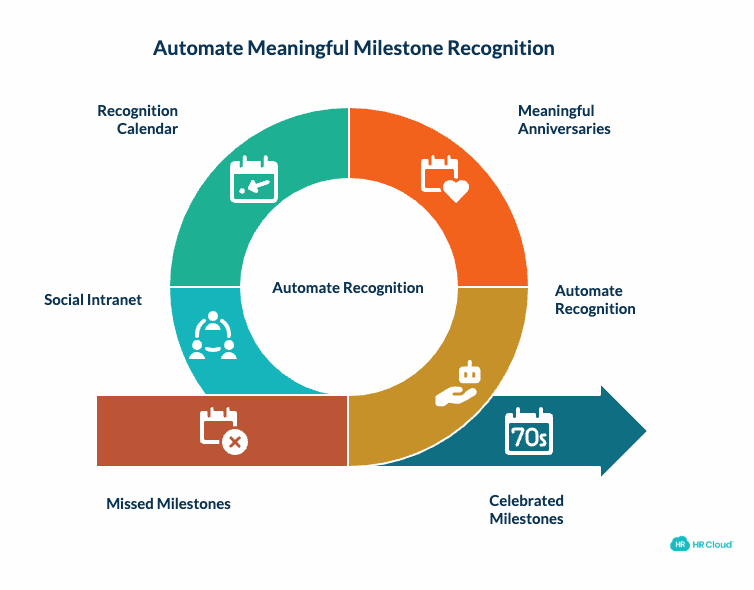
Personal milestones—birthdays, work anniversaries, and life events—are powerful opportunities for recognition that remote employees often miss out on because they're not physically present when these moments are celebrated in traditional offices.
According to research on employee engagement, 72% of employees say recognition improves their sense of belonging, and personal milestone recognition is one of the easiest ways to create that feeling of connection across distributed teams.
How to Implement:
Automate Birthday & Anniversary Recognition: Use HR Cloud's People HRIS to automatically track employee birthdays and work anniversaries. Set up workflows that trigger recognition posts on your Workmates feed, email notifications to managers, and even gift card delivery on milestone dates.
Make Anniversaries Meaningful: Work anniversaries deserve more than a generic "Thanks for 5 years!" Instead, share specific accomplishments from their tenure:
Example: "Happy 3-year anniversary, Marcus! From launching our remote onboarding program to mentoring 8 new hires to leading our APAC expansion—your impact has been extraordinary. Here's to many more years of innovation together."
Create a Recognition Calendar: Dedicate one day per month or quarter to celebrate all your remote employees collectively. "Remote Employee Appreciation Day" becomes a company tradition where everyone gets recognized for navigating the unique challenges of distributed work. When someone's birthday or work anniversary rolls around, you can give them a shoutout in Workmates' social intranet. Tell them how much you appreciate having them on your team.
Leverage Your Social Intranet: Set up automated birthday and anniversary posts on your employee intranet where colleagues can comment, react with emojis, and share their own messages of appreciation. This creates a digital gathering space that replaces the in-office birthday card signing tradition.
In the case of a birthday, you can send a card or a small gift. And a work anniversary is the perfect time to do an annual review where you can praise the employee. Another way to praise all of your remote employees is to dedicate a day each month or year. Then, you can show appreciation for the team as a whole.
Pro Tip: Don't just celebrate—ask employees how they want to be celebrated. Some prefer public recognition, while others appreciate a private note from leadership. Gallup's research shows only 13% of employees say their organization knows how they prefer to be recognized—don't make assumptions.
8. Send a Gift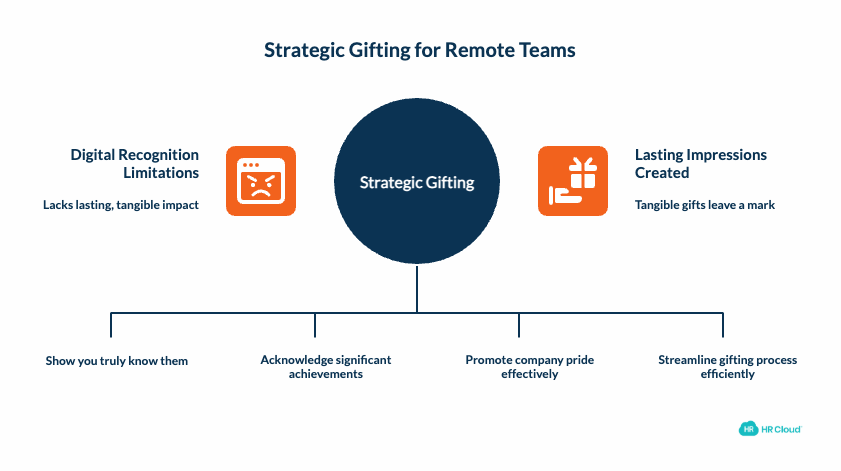
Tangible gifts create lasting impressions that digital recognition alone cannot match. When a remote employee receives a physical package at their door, it breaks through the screen and creates a real-world touchpoint that reinforces their value to your organization.
Strategic Gifting for Remote Teams:
Personalize Based on Interests: Use information from employee profiles in your HRIS to send gifts aligned with personal interests. If someone mentioned they're a coffee enthusiast, send premium beans from a specialty roaster. If they're into fitness, consider workout gear or a fitness app subscription.
Celebrate Major Milestones: Birthdays, work anniversaries, promotions, project completions, and life events (new baby, buying a home) all warrant thoughtful gifts that show you're paying attention to their journey.
Company Swag with Intention: Don't just send generic branded merchandise. Create premium swag boxes specifically for remote employees—high-quality items like insulated travel mugs with the company logo, noise-canceling headphones for video calls, or ergonomic desk accessories that make their home office more comfortable.
Example Recognition Gift Program:
-
Birthday: $25 gift card to their favorite retailer or restaurant
-
1-Year Anniversary: Premium company swag box + personalized thank-you letter from CEO
-
3-Year Anniversary: $100 experience gift (spa day, concert tickets, cooking class)
-
5+ Year Anniversary: Milestone award + extra PTO day + choice of premium gift
Leverage Your Rewards Platform: HR Cloud's rewards catalog allows employees to redeem recognition points for gifts they actually want—from electronics to travel vouchers to charitable donations. This ensures gifts are always appreciated and useful.
Why Gifts Matter for Remote Workers: Physical gifts create shared moments of joy that transcend digital communication barriers. They serve as visible reminders of appreciation that employees encounter daily (that branded mug on their desk, those noise-canceling headphones), reinforcing their connection to your culture even when working alone.
Sending something small once or twice a year can be a great way to remind your remote employees that they're part of the team. Gifts can be an excellent addition to any peer-to-peer recognition ideas or in general to employee recognition programs.
Important Note: Be mindful of budget equity. Ensure gift values are consistent across comparable roles and tenure levels to maintain fairness and avoid resentment.
9. Provide Professional Development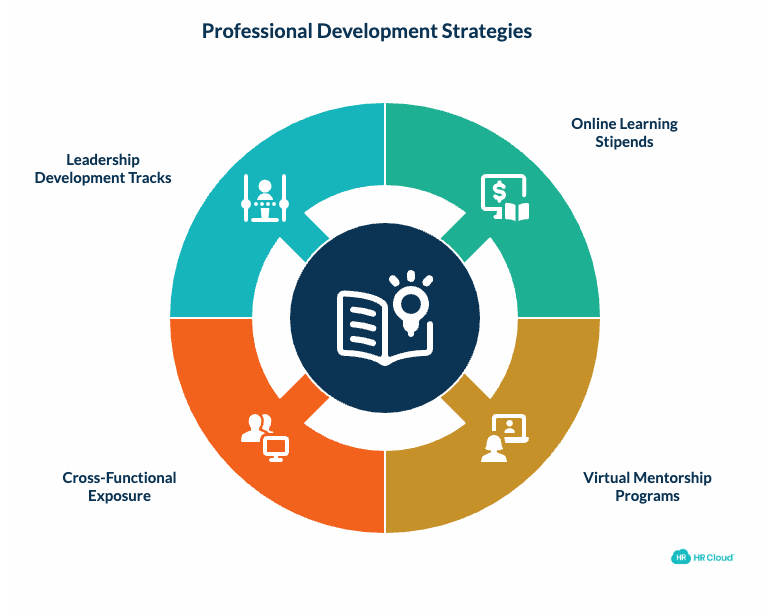
Investing in your remote employees' growth is one of the most meaningful forms of long-term appreciation. Professional development opportunities signal that you see a future for them at your organization and want to help them reach their potential.
According to Deloitte's 2025 Global Human Capital Trends Report, nearly 20% of employees say remote work options and professional development are key factors in performance. When employees have the flexibility to work where they thrive and access to growth opportunities, engagement and retention skyrocket.
Professional Development Strategies for Remote Teams:
1. Online Learning Stipends: Provide annual budgets for employees to choose courses, certifications, or conferences relevant to their roles. Platforms like Coursera, Udemy, LinkedIn Learning, and industry-specific training providers offer thousands of remote-friendly options.
2. Virtual Mentorship Programs: Pair remote employees with senior leaders or subject matter experts for virtual mentoring relationships. Schedule monthly video calls focused on career development, skill-building, and navigating organizational challenges.
3. Cross-Functional Exposure: Create opportunities for remote employees to participate in projects outside their core responsibilities. This builds skills, expands networks, and prevents career stagnation that's common in remote roles.
4. Leadership Development Tracks: Identify high-potential remote employees early and provide structured leadership training. Don't let remote workers be overlooked for advancement because they're not physically present—be intentional about developing their leadership capabilities.
Example Program: "We're launching quarterly 'Lunch & Learn' sessions where remote employees can attend virtual workshops on topics like public speaking, project management, data analytics, and executive presence. Pick 2 sessions per quarter, and we'll cover your time to attend during work hours."
Budget-Friendly Options: If formal training budgets are limited, create internal knowledge-sharing programs where employees teach each other skills in the workplace through recorded webinars or live workshops. Use your employee engagement platform's content management system to build a library of learning resources accessible to all remote workers.
If you can't afford to send your employees courses or other materials, explore creative solutions like crafting an email series where you can empower remote employees with valuable knowledge just by including daily tips or insights. The upfront costs may seem a lot at first, but in the long term, it brings a lot of benefits to your employees and your company. Investing in your employees' development will improve their job performance, enhance their engagement, and give them a competitive advantage while fostering a culture of continuous learning.
Performance Connection: Link professional development to performance management conversations. During quarterly reviews, discuss career aspirations and create personalized development plans with clear milestones and resource commitments.
Why This Works: Professional development shows you're invested in employees beyond their immediate output. It builds loyalty, enhances capabilities that benefit your organization, and creates career pathways that reduce turnover. Gallup research consistently shows that employees who see opportunities for growth are significantly more engaged and less likely to leave.

10. Make Work a Game
Gamification transforms routine tasks into engaging challenges that spark motivation and friendly competition—particularly valuable for remote employees who lack the natural energy and social dynamics of physical offices.
When people work from home, they can feel lonely and like there's a disconnect between them and the team. Fortunately, you can use gamification to make work more interesting.
Gamification Strategies That Work:
Leaderboards for Measurable Goals: If you run a remote sales team, create real-time leaderboards tracking key metrics. As employees hit milestones, they earn points and advance rankings. The competitive element drives performance while the public recognition validates effort.
Example: Use Workmates company challenges to set up monthly competitions around customer satisfaction scores, project completion rates, or learning achievements. Winners receive recognition badges, points toward rewards, and spotlight features on your company feed.
Achievement Badges & Milestones: Design a badge system for both work accomplishments and cultural contributions. Badges like "Customer Hero," "Innovation Champion," "Collaboration Pro," or "Onboarding Mentor" create visible markers of excellence that employees proudly display on their profiles.
Team-Based Challenges: Launch department vs. department competitions or collaborative goals where teams work together toward shared objectives. This builds camaraderie among remote workers who might otherwise operate in silos.
Example Challenge: "This quarter, we're challenging every department to submit one process improvement idea. The team with the most implemented ideas wins a virtual team-building experience and $500 toward a charity of their choice."
Points-Based Recognition Economy: Implement a system where recognition, achievements, and contributions earn points redeemable through your rewards catalog. This creates ongoing motivation beyond one-time recognition moments.
Progress Visualization: Use dashboards and progress bars to show advancement toward goals. Remote employees who can see their impact in real-time feel more connected to outcomes and motivated to contribute.
You can also provide other incentives to encourage people to get their work done. If a leaderboard doesn't work, you can use flashcards or fun characters to make work fun. Then, people can look forward to starting work each day, even though they're not in the office. Having a fun company culture can be a great way to show appreciation for all of your employees.
Pro Tip: Balance competition with inclusion. Not everyone thrives in competitive environments, so ensure your gamification strategy includes collaborative challenges, individual recognition opportunities, and ways for different personality types to succeed.
Analytics & Insights: Leverage HR Cloud's powerful analytics to track engagement with gamification features, identify top contributors, and spot employees who might need additional support or recognition.
11. Take a Day Off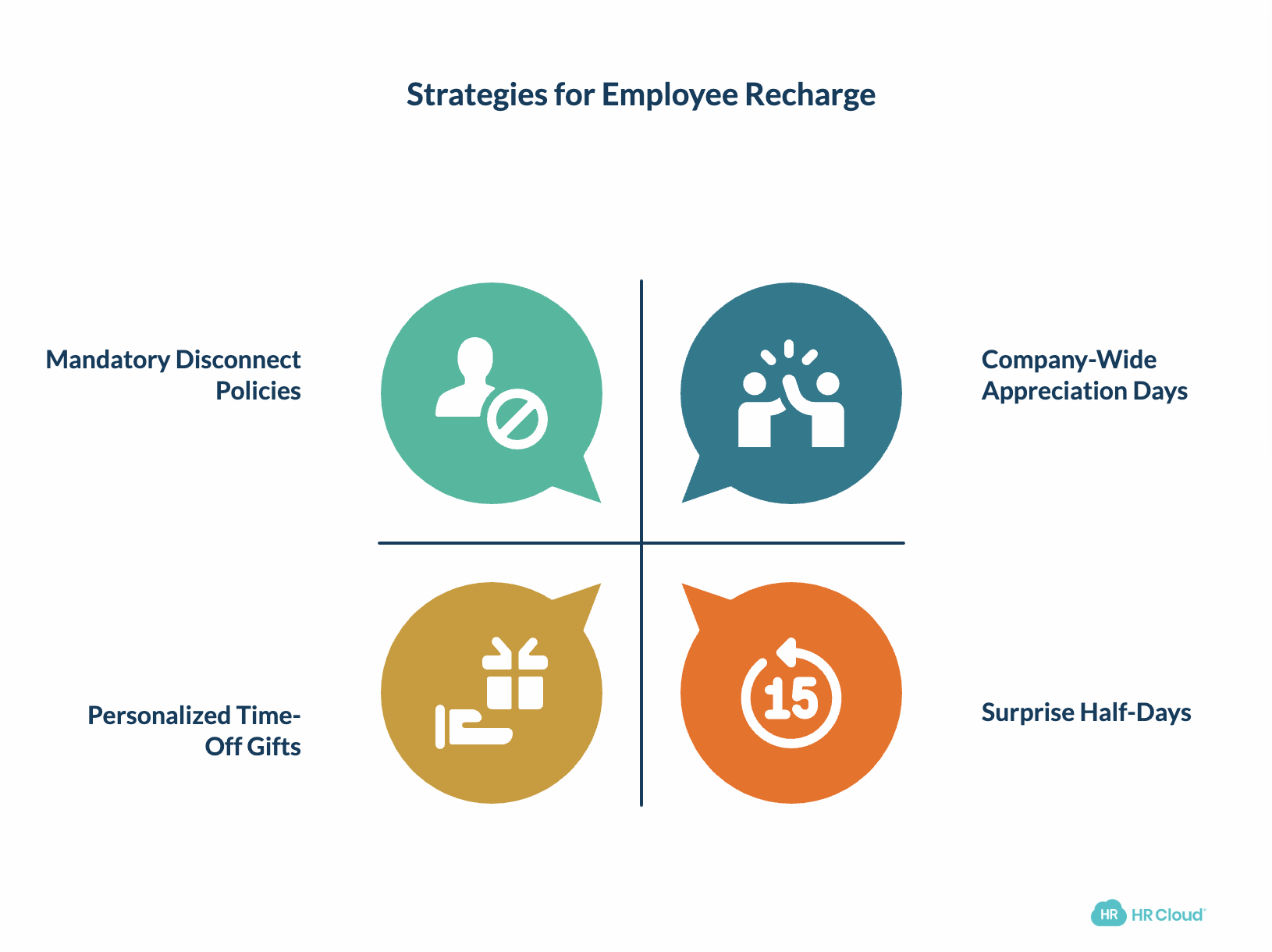
Sometimes the best gift you can give burned-out remote employees is time—specifically, time away from work to recharge, reconnect with family, or simply breathe without the pressure of deadlines and Slack notifications.
If your remote employees work from home for many days without much of a break, give them the day off. Your employees can take the time to relax or catch up on things in their personal life.
According to SHRM's 2024 burnout research, 51% of employees feel "used up" at the end of their workday, and burnout rates have increased 25% since 2022. Remote workers, who often struggle to establish boundaries between work and home life, are particularly vulnerable to chronic stress and exhaustion.
Strategic Time-Off Initiatives:
-
1. Company-Wide Appreciation Days: Designate 2-3 days per year as company-wide "Employee Appreciation Days" where the entire organization takes a collective day off. This ensures nobody feels guilty for being away, clients know to expect delays, and everyone can truly disconnect.
2. Example Announcement: "On Friday, March 15th, HR Cloud is closed in recognition of your incredible work this quarter. No emails, no Slack, no meetings. Just rest, recharge, and enjoy time doing whatever brings you joy. You've earned it. "
-
3. Surprise Half-Days: After particularly intense periods—major product launches, Q4 crunch time, successful project completions—surprise teams with an impromptu half-day off. The unexpected nature amplifies the appreciation impact.
-
4. Personalized Time-Off Gifts: When individuals go above and beyond, gift them a floating PTO day they can use whenever they need it most. This shows you trust them to manage their time and recognize they might need flexibility for personal commitments.
-
5. Mandatory Disconnect Policies: Implement policies that require employees to take time off. Some high-performers struggle to step away even when burned out. Company-mandated time off signals that rest isn't just permitted—it's expected and valued.
It's a simple, yet effective idea for workers' appreciation that will help them relax. Many people don't feel comfortable turning off the phone or leaving emails unanswered on their days off because they are afraid to lose their employer's trust.
You can give the day a name, such as an employee appreciation day. Or you can simply tell your remote employees that it's time for them to take a break.
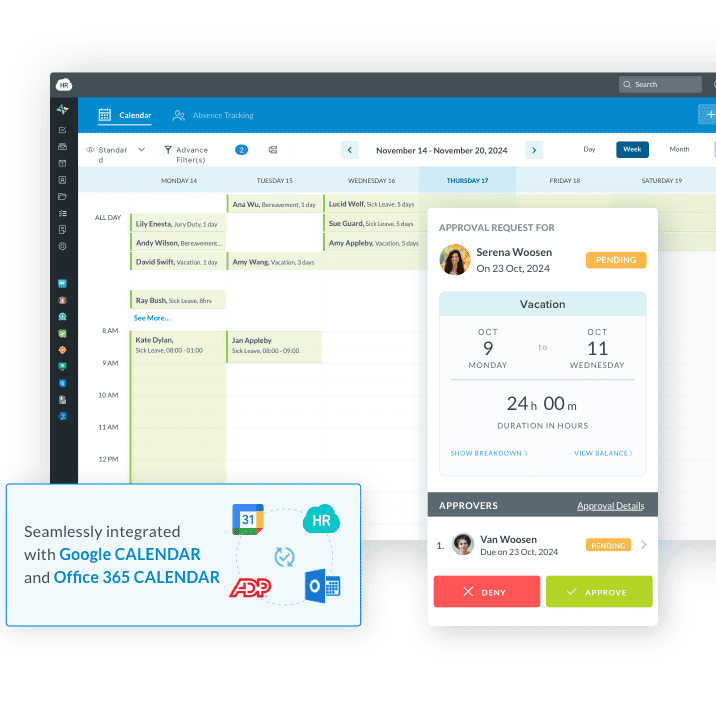
Implementation Through Your HRIS: Use HR Cloud's Time Off tracking system to manage appreciation days, ensure managers approve time off promptly, and track PTO utilization to identify employees who might be at risk for burnout due to insufficient time away.
Communication is Key: When giving time off as appreciation, explicitly frame it as recognition. "This isn't about covering staffing needs—this is our way of saying thank you for the extraordinary effort you've put in. Your wellbeing matters to us."
If you can't afford for your team to take off a full day, you can have them take the afternoon off. And if that's too much time, you can let people stop working an hour or two early. Either way, giving your employees some extra free time can be a great way to make them feel good. When they return to work, they may have more energy, so they can enjoy work and get more done.
Why This Matters: Gallup research shows that 76% of hybrid and remote workers cite improved work-life balance as the top benefit of flexibility. Reinforcing that balance by proactively giving time off demonstrates your commitment to employee wellbeing beyond rhetoric.

12. Schedule a Virtual Hangout
Social isolation is one of the biggest challenges remote employees face. While video meetings address work coordination, they rarely create the informal bonding and relationship-building that happens naturally in physical offices.
One of the easiest appreciation rewards is setting up virtual happy hours or game nights with the employees. You may already have video meetings to talk about company updates or client projects. However, most video conferencing programs allow for unlimited meetings.
According to Buffer's State of Remote Work Report, loneliness and collaboration challenges are among the top struggles remote workers report. Structured virtual social opportunities help combat this isolation and build team cohesion.
Effective Virtual Hangout Formats:
Virtual Happy Hours: End-of-week gatherings where employees bring their own beverage of choice (alcoholic or not) and spend 60 minutes in casual conversation. Skip the work talk—focus on hobbies, weekend plans, favorite shows, or fun icebreaker questions.
Themed Virtual Events:
-
Trivia Nights: Use platforms like Kahoot or QuizUp for team trivia competitions
-
Virtual Cooking Classes: Hire a chef to lead a cooking session where everyone makes the same meal
-
Book Clubs: Monthly discussions of selected books with rotating facilitators
-
Game Tournaments: Among Us, Pictionary, online escape rooms, or Jackbox Games
-
Show & Tell: Employees share something meaningful to them—a hobby, a collection, a travel story
Coffee Chats & Watercooler Channels: Set up customizable communication channels in your engagement platform specifically for non-work conversations. Create channels like #random, #pets, #foodie-talk, #fitness-crew where employees can bond over shared interests.
Cross-Department Mixers: Randomly pair employees from different departments for 30-minute virtual coffee chats. This breaks down silos and helps remote workers build networks beyond their immediate teams.
Family-Inclusive Events: Occasionally invite family members to virtual events—holiday celebrations, summer picnics via Zoom, or kid-friendly activities. This acknowledges the whole-life reality of remote work and lets families see the culture you're building.
Consider using one of those meetings to host a virtual hangout session for your remote employees. You can set this up at the end of the day or week, and you can have employees bring their own drinks or food. You can catch up on what's happening outside of work or play online games together.
Implementation Example: "Save the date for our March Virtual Trivia Night! Grab your favorite snacks and drinks, form teams of 4-5, and compete for ultimate bragging rights (plus a $50 team dinner credit). It's time to find out who really knows obscure 90s pop culture. See you on Zoom Friday at 4pm ET!"
Then, your employees can get to know each other outside of work. They can talk more about their lives and see who they work with on a daily basis. If the first one is successful, you can have virtual happy hours each month or week. That way, employees can connect more with their coworkers.
Best Practices:
-
Make attendance optional—never guilt-trip those who can't join
-
Respect time zones by rotating meeting times
-
Keep them relatively short (60-90 minutes max)
-
Use breakout rooms for smaller group interactions
-
Record some content but preserve the "you had to be there" energy of live participation
Platform Support: Leverage your employee engagement platform to promote events, track RSVPs, share photos and highlights afterward, and maintain momentum between gatherings.
13. Be More Flexible
Flexibility is the foundation of effective remote work appreciation. Gallup's 2025 research shows that 60% of remote-capable employees prefer hybrid arrangements, and the overwhelming majority value flexibility as a core benefit—not a perk.
One of the best employee appreciation ideas is to give workers more flexibility. If you usually ask people to work a traditional schedule, consider letting people work when they work best. As long as you don't have to do work at a specific time, this can be a great option.
Yet many organizations still cling to rigid schedules that undermine the very advantages that make remote work attractive. True appreciation means trusting employees to work when and how they're most productive.
Flexibility Strategies That Show Trust:
1. Asynchronous Work Policies: Stop requiring everyone to be online simultaneously unless meetings are truly necessary. Allow employees to work during their peak productivity hours—whether that's 6am or 10pm—as long as they hit deadlines and maintain communication.
2. Example Policy: "Core hours for synchronous collaboration are 10am-2pm local time, Monday-Thursday. Outside those windows, work whenever you're most effective. We care about output and impact, not when you're sitting at your laptop."
3. Meeting-Free Days: Designate certain days (like "Focus Fridays") as meeting-free zones where employees can work without interruption. According to productivity research, knowledge workers need extended blocks of uninterrupted time for deep work—constant meetings fragment attention and reduce effectiveness.
4. Flexible PTO Usage: Allow employees to take partial days off (2-hour blocks) rather than requiring full-day or half-day minimums. Life happens—dentist appointments, kid soccer games, eldercare needs—and flexibility around these realities shows you value employees as whole people.
5. Location Independence: If someone wants to work from a coffee shop, a co-working space, or their parents' house for a week, allow it. As long as they have reliable internet and maintain productivity, location shouldn't matter.
6. Results-Only Work Environment (ROWE): Evaluate employees based on outcomes and deliverables, not hours logged. This eliminates performative productivity and empowers employees to structure their days in ways that optimize both work and life.
Remote employees are busy in 2025, so they may not be able to stay focused for eight hours straight. Consider letting your employees work earlier or later, depending on their schedule. Then, they can get focused and be more productive when they do work.
Implementation Through Technology: Use HR Cloud's workflow automation to track deliverables and milestones rather than time-in-seat. Set up performance management systems that focus on goal achievement, quality of work, and impact rather than activity metrics.
Why Flexibility is Recognition: When you give employees autonomy over their schedules, you're saying "I trust you. I believe you're capable of managing your work and life effectively. I respect your judgment." That trust is one of the most powerful forms of recognition—it treats employees as adults and professionals rather than children who need monitoring.
Boundaries Matter: Balance flexibility with clear expectations around responsiveness, communication, and availability. Flexibility doesn't mean anarchy—it means intentional structures that honor both business needs and employee autonomy.
14. Celebrate Your Remote Employees Collectively
While individual recognition is crucial, collective celebration of your remote workforce reinforces that they're part of something larger than their individual contributions. It builds shared identity and reminds everyone that the challenges they navigate daily are seen and valued.
Showing appreciation for employees in the office can be as easy as playing fun music or bringing in group lunches each month. But recognition rewards aren't as easy when you have remote employees. Fortunately, you can find multiple great opportunities to celebrate and show appreciation to your remote team, such as virtual happy hours. Even though you aren't all together, you can still connect with everyone at work.
Collective Recognition Strategies:
Annual Remote Employee Appreciation Week: Dedicate one week per year to celebrating your distributed workforce. Each day features different activities:
-
Monday: CEO video message thanking remote teams
-
Tuesday: Virtual team lunch (catered delivery to everyone's home)
-
Wednesday: Remote work success story spotlights
-
Thursday: Professional development workshop or keynote speaker
-
Friday: Company-wide virtual celebration event
Quarterly Town Halls: Host all-hands meetings where leadership shares business updates, recognizes departmental achievements, and spotlights individual contributors who exemplify company values. Make remote employees as visible as office-based staff.
Public Recognition of Remote Work Success: Share metrics and stories that demonstrate your remote workforce's impact:
-
"Our remote customer service team achieved a 97% satisfaction rating this quarter—industry-leading performance."
-
"Thanks to our distributed sales team, we've expanded into 12 new markets this year."
-
"Remote employees submitted 60% of our process improvement ideas in 2024."
Digital Recognition Walls: Create a virtual space on your employee intranet where appreciation posts, customer testimonials, and peer shoutouts accumulate visibly. This becomes a living archive of recognition that remote employees can revisit when they need a morale boost.
Remote Work Resources Hub: Show appreciation by providing resources that make remote work easier—guides on setting up home offices, recommendations for productivity tools, partnerships with ergonomic equipment vendors, mental health resources, and remote onboarding best practices.
Example Initiative: "In recognition of our incredible remote team's contributions, we're launching a $500 home office improvement stipend. Use it for standing desks, ergonomic chairs, better lighting, noise-canceling headphones—whatever helps you do your best work from home."
Social Proof and External Recognition: When your remote work culture wins awards or gets featured in media, celebrate it internally. "Inc. Magazine just named us one of the Best Remote-First Companies! That's because of YOU—your innovation, collaboration, and commitment make this culture what it is."
Why Collective Recognition Matters: It creates a sense of "we're in this together" that counteracts the isolation remote workers often feel. It validates that their unique challenges are recognized and that the organization is committed to supporting them holistically.
 — Andrea Bermudez, Organizational & Talent Development Manager

15. Provide Equipment for Remote Work
One of the most tangible ways to show remote employees appreciation is ensuring they have the tools they need to work effectively and comfortably from home. Poor home office setups lead to chronic pain, reduced productivity, and resentment—sending a message that the organization doesn't care about employee wellbeing.
Most remote workers suffer from neck and back pain and bad posture due to poor working conditions at home. And this negatively impacts their health over time.
According to ergonomic research, remote workers suffer from increased neck, back, and wrist pain due to makeshift workspaces—working from couches, kitchen tables, or poorly configured home offices. Providing proper equipment isn't just appreciation; it's a preventive health investment that reduces long-term healthcare costs.
Essential Remote Work Equipment:
1. Ergonomic Furniture:
-
Adjustable standing desks or desk converters
-
Ergonomic office chairs with lumbar support
-
Monitor arms for proper screen height
-
Footrests and keyboard trays
2. Technology & Connectivity:
-
Second monitors (dual-screen setups boost productivity by 20-30%)
-
High-quality webcams and microphones for professional video presence
-
Noise-canceling headphones for focus and call clarity
-
Upgraded internet stipends for higher bandwidth
3. Health & Wellness:
-
Blue light filtering glasses
-
Ergonomic keyboards and vertical mice
-
Desk lamps with adjustable lighting
-
Standing desk mats
4. Security & Productivity:
-
VPN access and cybersecurity tools
-
Backup power supplies
-
Document scanners for paperless workflows
Implementation Process:
Step 1: Conduct a Needs Assessment Your organization can fight these health issues by providing essential office equipment that alleviates stress. Start by creating a list of work-from-home equipment that your employees will need. And send it out to them to ensure that you don't miss any important equipment. Survey remote employees about their current home office setup and identify equipment gaps. Use HR Cloud's survey and poll features to gather comprehensive data on what would most improve their work-from-home experience.
Example Survey: "Rate your current home office setup on a scale of 1-10. What equipment would most improve your productivity and comfort? (Select top 3)"
Step 2: Create an Equipment Stipend Provide a one-time or annual allowance ($500-$1,500) for employees to purchase approved equipment. Partner with vendors for bulk discounts and curate a recommended equipment list.
Step 3: Ship Directly to Home After receiving their requests, have the equipment shipped to their places of work directly. When possible, ship equipment directly to employees' homes using company accounts. This removes the burden of employees paying upfront and seeking reimbursement.
Step 4: Include in Onboarding Make equipment provisioning part of your remote onboarding process. Before day one, ensure new hires have everything they need set up and functional.
Example Message: "Welcome to the team, Maria! Your laptop, monitor, ergonomic keyboard, and headphones ship tomorrow and should arrive before your start date. If anything isn't perfect, let us know immediately—we want your home office setup to be as good as if you were in our headquarters."
This will not only boost employee engagement but also cut healthcare costs in the future.
Why This Investment Matters:
-
Health: Reduces musculoskeletal disorders that lead to medical claims and absenteeism
-
Productivity: Proper equipment directly correlates with output and quality
-
Retention: Studies show employees feel valued when employers invest in their work environment
-
Attraction: In competitive hiring markets, robust remote work equipment policies differentiate your employer brand
Budget-Conscious Approach: If full equipment provisioning isn't feasible, start with the highest-impact items (second monitor, ergonomic chair) and expand gradually. Survey employees to prioritize investments based on actual needs rather than assumptions.
Platform Integration: Use HR Cloud's assets management software to track equipment distribution, manage warranties, and handle returns when employees leave.
 Experience how Workmates can transform communication and strengthen culture—all in one powerful platform
Conclusion: Building a Culture of Remote Employee Appreciation
Showing authentic appreciation for remote employees isn't a one-time gesture—it's a sustained commitment woven into your organizational DNA. The 15 strategies outlined above work best when combined into a comprehensive recognition ecosystem rather than implemented in isolation.
Key Takeaways:
1. Frequency Matters: Research consistently shows that recognition needs to happen at least weekly to drive engagement. One annual performance review isn't enough—build continuous appreciation into daily workflows.
2. Personalization is Power: Generic "thanks for your hard work" messages fall flat. Tailor recognition to individual preferences, acknowledge specific contributions, and demonstrate you see employees as unique humans with distinct strengths.
3. Technology Enables Scale: Platforms like HR Cloud's Workmates make it possible to deliver consistent, high-quality recognition across distributed teams without requiring heroic effort from managers. Leverage technology to systematize appreciation while keeping it authentic.
4. Mix Recognition Types: Combine public and private recognition, monetary and non-monetary rewards, formal and informal appreciation. Different employees respond to different approaches—diversity in your recognition strategy ensures everyone feels valued.
5. Tie to Business Outcomes: The ROI of recognition is undeniable—45% higher retention, 21% higher profitability, and 23% higher productivity according to Gallup and Workhuman research. Treating recognition as a strategic business lever, not a "nice to have" HR program, drives measurable results.
6. Leadership Buy-In is Essential: When C-suite leaders actively participate in recognition—giving shoutouts, sharing customer wins, celebrating milestones—it signals organizational priority and gives managers permission to prioritize appreciation too.
Next Steps:
Do you need help showing your employees appreciation? Ready to transform how you recognize and engage your remote workforce? Learn more about HR Cloud's employee recognition program or schedule a demo of Workmates to see how peer-to-peer recognition, rewards catalogs, analytics dashboards, and mobile accessibility can help you build a thriving remote culture.
Your remote employees are the engine driving your business forward—often while navigating isolation, technology challenges, and work-life boundary struggles. They deserve recognition systems as sophisticated and thoughtful as the work they produce.
Don't let distance create disconnection. Start implementing these 15 strategies today, and watch engagement, retention, and performance soar across your distributed teams.

Keep Reading
Best Onboarding Practices for Manufacturing Companies: 15 Proven Tactics That Boost Retention
"Three simple changes to our onboarding process cut our 30-day turnover from 28% to 12%.
Equity in the Workplace: A Practical Guide to Building Fairness and Opportunity
Workplace equity shouldn't be an aspiration—it should be the foundation of how
7 Employee Relations Responsibilities That Transform Workplace Culture
Employee relations shapes how people experience work every single day. It's not just